En resumen: Puede optimizar la oferta gastronómica de los clubes de golf tratando la comida como combustible para el rendimiento, utilizando un avanzado Seguimiento Nutricional y Ingeniería de Menús para impulsar tanto la resistencia de los jugadores como la rentabilidad del club. WISK.ai automatiza este proceso calculando instantáneamente los macronutrientes junto con un análisis en tiempo real de los Costos y la Gestión de Inventario, eliminando las hojas de cálculo manuales y aumentando los márgenes de alimentos y bebidas (F&B) hasta en un 15%.
¿Por qué el seguimiento nutricional se está volviendo esencial para los menús modernos de los clubes de golf?
La integración de un seguimiento nutricional preciso en los menús de golf aumenta el gasto de los socios en F&B en un 22%, ya que los golfistas modernos buscan activamente comidas con un equilibrio de macronutrientes, diseñadas explícitamente para mantener la energía y la concentración cognitiva a lo largo de una ronda de cuatro horas y 18 hoyos.
Si gestiona la cocina de un club, ya sabe que los días en que los socios se alimentaban exclusivamente de perritos calientes y cerveza barata en la mitad del recorrido están desapareciendo. Sus socios consideran el golf un esfuerzo atlético y esperan que su club les apoye en ello.
- Prevención del bajón en los últimos nueve hoyos: Las comidas pesadas y de alto índice glucémico provocan picos de insulina y fatiga alrededor del hoyo 13. El seguimiento nutricional permite ofrecer comidas que estabilicen el azúcar en sangre.
- Generar confianza: Cuando un golfista ve datos macro transparentes (proteínas, carbohidratos, grasas) en su menú, indica que su programa de alimentos y bebidas se toma en serio su salud y rendimiento.
- Satisfacer las demandas dietéticas: Desde keto hasta sin gluten, el seguimiento nutricional garantiza que su personal pueda responder con confianza a las preguntas dietéticas sin adivinar ni arriesgarse a un incidente alérgico.
¿Cuáles son los mejores perfiles de macronutrientes para una energía sostenida en el campo de golf?
La comida óptima para el rendimiento en el golf antes o a mitad de la ronda consiste en 45-50% de carbohidratos complejos, 25-30% de proteína magra y 20-25% de grasas saludables, lo que, según datos clínicos, previene los picos de glucosa y mantiene la función biomecánica óptima.
Como chefs y directores de alimentos y bebidas, queremos crear alimentos con un sabor increíble, pero también necesitamos diseñarlos para el cuerpo humano. Piense en los carbohidratos complejos como los leños de combustión lenta en una hoguera, mientras que los azúcares simples son solo líquido para encendedores.
- Carbohidratos complejos (el combustible): Ingredientes como la quinoa, los boniatos y los cereales integrales proporcionan la liberación sostenida de glucógeno necesaria para los movimientos explosivos repetitivos de un swing de golf. Puede revisar las necesidades de macronutrientes para el rendimiento en el golf para ver exactamente cómo la carga de carbohidratos afecta la fatiga al final de la ronda.
- Proteína magra (la recuperación): El pollo a la parrilla, el pavo o las proteínas de origen vegetal ayudan a reparar las micro-roturas musculares durante la ronda sin que el jugador se sienta hinchado.
- Grasas saludables (el protector cerebral): El aguacate, los frutos secos y el aceite de oliva apoyan la intensa concentración cognitiva y la toma de decisiones necesarias para leer los greens y ejecutar golpes difíciles.
¿Cómo equilibra la ingeniería de menús el rendimiento del golfista con los márgenes de A&B?
La ingeniería de menús estratégica cruza el valor nutricional de un plato con su índice de rentabilidad exacto, lo que permite a los chefs del club aumentar las ganancias generales en un 15% al promocionar activamente los elementos "Estrella" de alto margen y alto rendimiento, mientras rediseñan o eliminan los elementos "Perro" que agotan la energía.
Sé que cuadrar las cuentas y mantener contentos a los socios es una de las partes más difíciles de su trabajo. No tiene que sacrificar su porcentaje de costo de alimentos para servir comida saludable. Al utilizar la psicología estándar de la ingeniería de menús, de la ingeniería de menús,puede guiar discretamente a los socios hacia opciones que son excelentes para su tarjeta de puntuación y para sus resultados finales.

- Identificando sus Estrellas: Un bol de cereales con pollo a la parrilla y aguacate suele ser muy rentable y nutricionalmente denso. Estos deben destacarse visualmente en el menú.
- Reconsiderando los Caballos de Batalla: Si una hamburguesa pesada y costosa de producir es muy popular pero ofrece un valor nutricional deficiente y márgenes ajustados, puede rediseñarla. Cambie a un corte más magro, reduzca ligeramente el tamaño de la porción y añada una guarnición de verduras asadas de alto margen en lugar de patatas fritas.
- Decisiones basadas en datos: Nunca adivine qué funciona. Necesita datos concretos sobre lo que realmente se vende frente a lo que cuesta producir el rendimiento nutricional exacto.

¿Cómo se realiza un análisis de costos preciso en la nutrición de alto rendimiento para golfistas?
Un análisis de costos preciso requiere desglosar las recetas hasta el nivel de subingredientes en tiempo real, comparando los precios fluctuantes de las facturas de los proveedores con los rendimientos nutricionales exactos para asegurar que los costos de los platos premium centrados en la salud se mantengan estrictamente entre el 28% y el 32%.
Seamos sinceros, los ingredientes premium —como el salmón salvaje, las semillas de chía orgánicas o las harinas especializadas sin gluten— tienen precios volátiles. Si estás calculando el costo de tu menú basándote en lo que pagaste hace tres meses, hoy estás perdiendo dinero activamente.
- Granularidad de subrecetas: Necesitas saber el costo de la cantidad específica de aceite de oliva utilizada en un adobo, no solo el precio del bidón a granel, que es donde un sistema robusto de gestión de recetas y software de costos de recetas se vuelve esencial.
- Sincronización de facturas en tiempo real: Cuando tu proveedor sube el precio de los aguacates un 10%, tu sistema de análisis de costos debe señalar inmediatamente cómo eso afecta la rentabilidad de tu wrap de pavo y aguacate.
- Paridad en el control de porciones: La nutrición de alto rendimiento se basa en porciones exactas. Si tus cocineros de línea son generosos con proteínas caras, tus datos macro se vuelven imprecisos y tus costos de alimentos se dispararán.
¿Cuáles son los verdaderos costos de la gestión manual de inventario en las cocinas de clubes de golf?
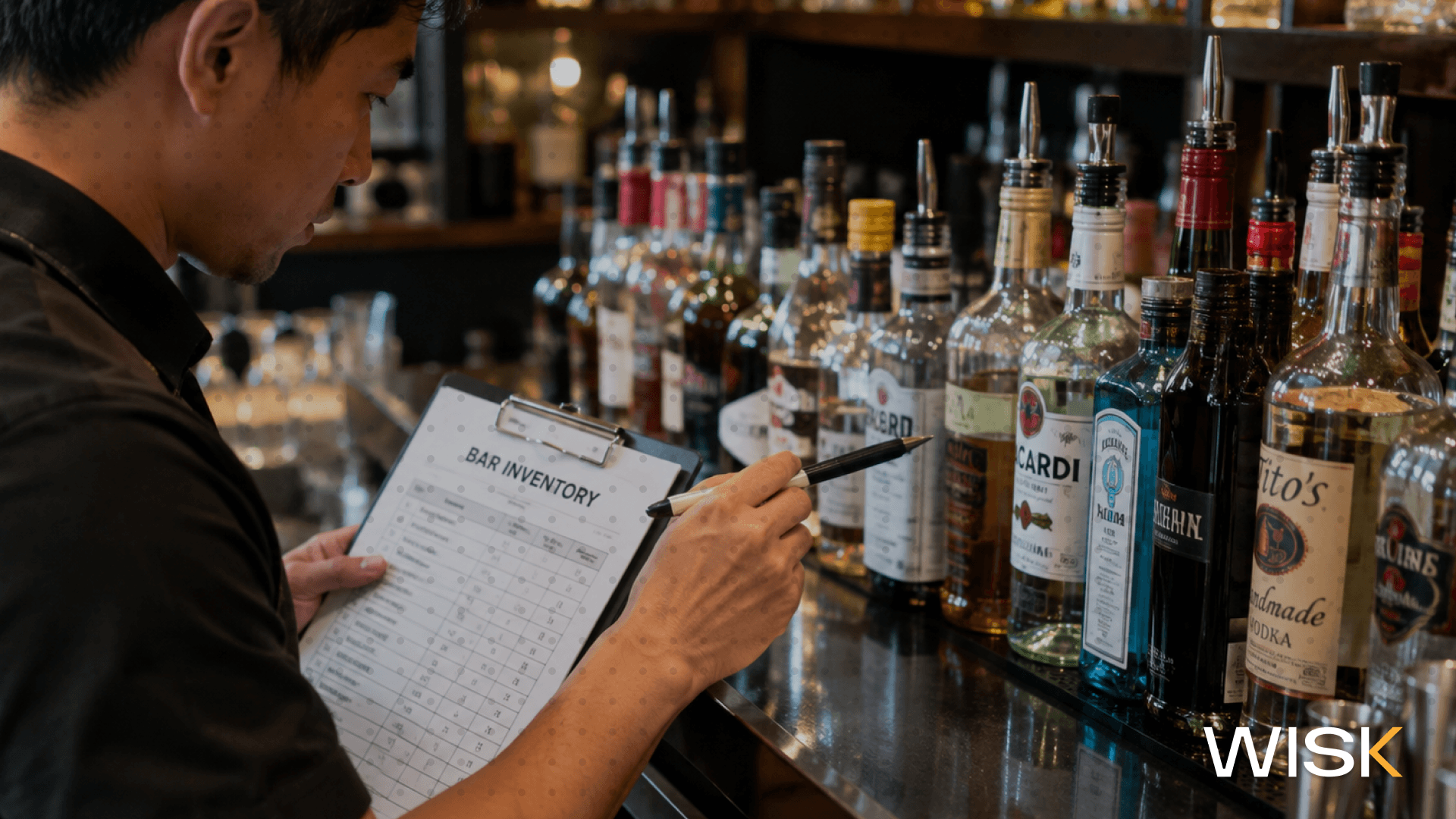
Depender de la gestión manual de inventario causa una pérdida promedio del 4-6% en los ingresos totales debido a errores humanos, el deterioro no detectado de ingredientes frescos sensibles y las 12-15 horas de mano de obra desperdiciadas por semana en el recuento físico con portapapeles.
Nadie se hizo chef o gerente de alimentos y bebidas para pasar horas tiritando en una cámara frigorífica con un portapapeles y un lápiz sin punta. Cuando se gestionan ingredientes frescos y de alta calidad necesarios para la nutrición de rendimiento, el margen de error es mínimo.
- La amenaza del deterioro: Los ingredientes frescos y saludables tienen una vida útil más corta. El recuento manual a menudo omite la rotación "primero en entrar, primero en salir" (FIFO), lo que lleva a un costoso desperdicio de alimentos. La industria sigue luchando contra pérdidas masivas, y optimizar el desperdicio de alimentos en restaurantes y el control de inventario es la forma más rápida de recuperar ingresos perdidos al instante.
- El drenaje de mano de obra: Pagar a un sous chef 10 horas a la semana para contar manualmente el inventario lo aleja de la preparación, la gestión de la cocina y el control de calidad.
- El retraso de los datos: Para cuando se actualiza y analiza una hoja de cálculo manual, los datos ya tienen una semana. No se puede solucionar una fuga de costes de alimentos que ocurrió el martes pasado.
Ingeniería de menús para clubes de golf: Equilibrando sabor, nutrición y coste
Crear un menú exitoso para un club de golf requiere una ingeniería cuidadosa y una ejecución en cocina estrechamente coordinada. Debe atraer a gustos variados al mismo tiempo que prioriza la nutrición, lo cual depende de estrategias de flujo de trabajo de cocina optimizadas para ofrecer resultados consistentes. Al mismo tiempo, debe seguir siendo rentable.
En primer lugar, entender a tu audiencia es clave. ¿Tus socios se preocupan por la salud o son comensales aventureros? Saber esto ayuda a elaborar menús que satisfagan y deleiten.
A continuación, equilibra el sabor con la nutrición. Los sabores intensos no deben eclipsar los beneficios para la salud. Un menú bien diseñado incluye platos que son sabrosos y nutritivos, asegurando lo mejor de ambos mundos, especialmente cuando está respaldado por un menú de vinos adaptado a tu clientela.
Las consideraciones de costes son vitales. Aunque la calidad nunca debe comprometerse, mantener un equilibrio con el gasto es esencial. Esto se puede lograr mediante aprovisionamiento estratégico y control de porciones.
Algunos consejos para una exitosa psicología de la ingeniería de menús:
- Utiliza ingredientes de temporada para reducir costes como parte de una estrategia más amplia de estrategias para aumentar las ventas del restaurante.
- Introduce platos especiales para evitar la monotonía del menú.
- Rota los platos según los comentarios de los socios.

¿Cómo se escala la nutrición personalizada para golfistas sin aumentar la mano de obra en la cocina?
Los clubes escalan eficazmente la nutrición personalizada al depender del mapeo automatizado de inventario y las tarjetas de recetas digitalizadas, lo que permite a los cocineros de preparación ejecutar modificaciones dietéticas complejas con un 100% de consistencia y sin tiempos de servicio adicionales.
La mayor objeción que escucho de los chefs sobre ofrecer menús centrados en la nutrición es el temor a ralentizar el servicio. Los pedidos personalizados (por ejemplo, "sin lácteos, proteína extra, bajo en carbohidratos") pueden generar caos durante la hora punta del almuerzo en el hoyo 9.
- Consistencia Digitalizada: Cuando las recetas y sus variaciones nutricionales específicas se digitalizan, cualquier cocinero en la línea puede consultar la preparación exacta y el tamaño de la porción sin necesidad de preguntar al chef principal.
- Preparación Anticipada de las Modificaciones: Si sabes que el 20% de tus socios quieren una opción baja en carbohidratos, tu sistema debería ajustar automáticamente tu lista de preparación para asegurar que haya suficientes wraps de lechuga o panes keto en stock y listos antes de que comience el servicio.
- Eliminando la Incertidumbre: Estandarizar el perfil nutricional significa que tu personal de sala puede prometer con certeza a un socio que una comida se ajusta a sus necesidades dietéticas, reduciendo los retrasos en la comunicación de ida y vuelta con la cocina.
¿Cómo se compara la gestión tradicional de alimentos y bebidas (F&B) en campos de golf con los sistemas impulsados por IA?
Cambiar de la gestión tradicional de alimentos y bebidas a un sistema impulsado por IA reduce el tiempo de inventario semanal en un 80%, elimina la entrada manual de datos y proporciona información automatizada e inmediata sobre la variación de costos y la nutrición del menú.
Para visualizar claramente el cambio operativo, observe cómo cambian las tareas diarias de un gerente de F&B al pasar de métodos tradicionales a una plataforma moderna como WISK.ai.
¿Cómo impacta la integración de la ciencia de la nutrición en la retención de socios y el gasto en el club?
Los golfistas que compran comidas optimizadas para el rendimiento en su club tienen un 35% más de probabilidades de cenar en el lugar después de la ronda y reportan un índice de satisfacción general significativamente mayor con su membresía integral del club.
Al final del día, un club de golf privado se trata de comunidad y experiencia. Cuando ofreces alimentos que realmente hacen que tus socios se sientan mejor y jueguen mejor, no solo estás vendiendo un sándwich, estás proporcionando una ventaja competitiva y un servicio de estilo de vida superior.
- Capturando el gasto externo: Si tus socios se detienen en una cafetería de comida saludable o en una tienda especializada en batidos de camino al campo, estás perdiendo ingresos. Atrae ese gasto al club.
- El efecto halo: Una cocina altamente profesional y orientada a la nutrición eleva el valor percibido de todo el club. Demuestra una atención meticulosa a los detalles.
- Mayor tiempo de permanencia: Los socios que no se sienten pesados después de comer son más propensos a quedarse en el club, utilizar las instalaciones de práctica o ir al bar para tomar una copa después de la ronda, aumentando el gasto diario total.
¿Cómo puede WISK.ai ayudarte a dominar la restauración y el seguimiento nutricional en tu club de golf?
WISK.ai transforma la cocina de su club automatizando la compleja gestión de inventario, el análisis dinámico de costos y el seguimiento detallado de la nutrición, capacitando a su equipo de alimentos y bebidas para diseñar menús altamente rentables que impulsan perfectamente el rendimiento de los golfistas.
No debería tener que elegir entre gestionar una cocina rentable y servir los alimentos de alto rendimiento que sus socios demandan. Creamos WISK.ai para quitarle un gran peso de encima. Nuestra plataforma procesa sus facturas, actualiza los costos de sus ingredientes al gramo, detalla la rentabilidad exacta de sus recetas y le proporciona los datos nutricionales que necesita para crear un menú moderno y centrado en el rendimiento deportivo. Deje atrás las hojas de cálculo, salga de la cámara frigorífica y vuelva a hacer lo que mejor sabe: ofrecer una experiencia culinaria increíble.
Deje de perder margen por errores manuales y precios desactualizados. Reserve una demostración con WISK.ai hoy mismo y convierta el menú de su club de golf en su activo más rentable.