El panorama hotelero en 2026 no solo es diferente debido a la nueva tecnología o a los grupos de presión más brillantes, sino que se ve radicalmente alterado por un cambio estructural en la demanda que ha puesto patas arriba el tradicional viaje de negocios.
Un viajero de ocio es alguien que combina viajes de negocios y placer en un solo viaje. Es probable que hayas escuchado el término «bleisure» durante años porque ha estado de moda desde que lo acuñó por primera vez en 2009 The Future Laboratory y, sin embargo, recién ahora estamos viendo su verdadero impacto en los resultados finales.
Los viajes de placer son una combinación de negocios y placer, que se refiere a la práctica de combinar viajes de negocios con actividades de ocio. Estamos superando la época en la que un viajero de ocio era simplemente alguien que se quedaba un sábado más por la noche para visitar un museo, porque hoy en día es un enorme motor económico con un valor de cientos de miles de millones de dólares. Si dirige un hotel y sigue tratando a estos huéspedes como si fueran viajeros corporativos habituales, es probable que esté dejando una cantidad importante de dinero sobre la mesa.
Este artículo está dirigido a propietarios de hoteles y profesionales de la hostelería que buscan entender y sacar provecho de la tendencia de los viajes de ocio en 2026. Analizaremos las últimas tendencias, los impactos operativos y las estrategias viables para ayudarlo a atraer, atender y sacar provecho del creciente segmento de viajeros de ocio.
Introducción a Bleisure Travel
Los viajes de placer son una combinación de negocios y placer, que se refiere a la práctica de combinar viajes de negocios con actividades de ocio. Los viajes de ocio, en los que los negocios y el placer se cruzan a la perfección, se han convertido en una tendencia definitoria en el mundo de los viajes de negocios.
Este enfoque permite a los viajeros de negocios ampliar sus viajes de trabajo, añadiendo tiempo libre para explorar nuevos destinos, sumergirse en la cultura local y disfrutar de actividades de ocio más allá de sus compromisos laborales. Según la Asociación Mundial de Viajes de Negocios, más del 70% de los viajeros de negocios ahora realizan al menos un viaje de ocio al año, lo que demuestra lo generalizada que se ha vuelto esta tendencia.
A medida que los límites entre el trabajo y la vida personal siguen difuminándose, los viajes de ocio están transformando las expectativas tanto de los viajeros como de los empleadores. Los viajes de trabajo ya no son solo para reuniones consecutivas, sino para aprovechar al máximo cada destino, ya sea que se trate de hacer turismo después de una reunión con un cliente o de pasar un fin de semana disfrutando de las atracciones culturales de la ciudad.
Los programas de viajes corporativos están evolucionando para adaptarse a este cambio, reconociendo que ofrecer opciones de ocio no es solo una ventaja, sino una necesidad para atraer y retener a los mejores talentos. En 2026, el bleisure es más que una palabra de moda: es una nueva forma de disfrutar de los negocios y el ocio, y está transformando la manera en que los empleados y las empresas abordan los viajes.
Principales beneficios y desafíos de los viajes de ocio
Los viajes de ocio ofrecen una variedad de beneficios y desafíos tanto para los viajeros como para los hoteles:
Ventajas para los viajeros:
- Los viajes de ocio mejoran el equilibrio entre la vida laboral y personal de los empleados al permitirles combinar los viajes de negocios con el tiempo libre personal.
- Los empleados que realizan viajes de ocio reportan una mayor satisfacción laboral y productividad general.
- Los viajes de ocio pueden reducir los niveles de estrés de los empleados, ya que pueden disfrutar de actividades de ocio mientras viajan por trabajo.
Desafíos para los viajeros:
- La flexibilidad de los viajes de ocio puede difuminar las líneas entre el trabajo y el ocio, lo que dificulta que los empleados se desconecten de sus responsabilidades laborales.
- Los viajes de ocio pueden aumentar los costos para los empleados debido al aumento de los gastos de alojamiento y manutención durante las estadías prolongadas.
Ventajas para los hoteles:
- Los hoteles pueden atraer estancias más largas y huéspedes que gastan más al atender a los viajeros que viajan por placer.
- La combinación de viajes de negocios y de placer aumenta las tasas de ocupación y estabiliza los flujos de ingresos.
Desafíos para los hoteles:
- La combinación de viajes de negocios y de placer puede crear desafíos para los equipos financieros a la hora de gestionar los gastos y el cumplimiento.
- Los hoteles deben adaptar las operaciones y los servicios para satisfacer las diversas necesidades de los huéspedes que viajan por placer, desde un Wi-Fi confiable hasta beneficios para toda la familia.
La enorme escala del mercado de viajes combinados
Cuando miramos las cifras, queda claro que no estamos hablando de un pequeño grupo de excursionistas que tienen un ordenador portátil.
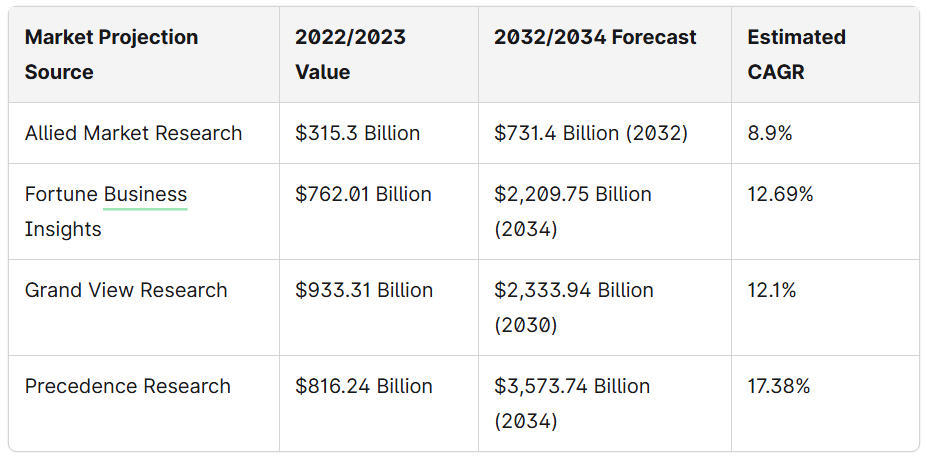
- El mercado mundial de viajes de ocio se valoró en aproximadamente 315 300 millones de dólares en 2022 y está en camino de alcanzar la asombrosa cifra de 731,4 mil millones de dólares en 2032. Esto representa una tasa de crecimiento anual compuesta del 8,9%, un ritmo que la mayoría de los segmentos hoteleros tradicionales soñarían alcanzar.
- Algunos analistas se muestran aún más optimistas y proyectan que el mercado podría dispararse hasta alcanzar los 3,5 billones de dólares en 2033, ya que solo los viajeros de negocios estadounidenses realizan más de 405 millones de viajes de negocios de larga distancia cada año y añaden tiempo libre a alrededor del 60% de ellos.
- De hecho, el 55% de los viajeros de negocios realizaron al menos dos viajes que combinaron negocios y placer en 2024, lo que pone de manifiesto un cambio significativo en el comportamiento de los viajeros.
Estamos viendo un mundo en el que el 83% de los viajeros de negocios hicieron un viaje de ocio el año pasado y alrededor del 89% de los viajeros quieren añadir algo de tiempo libre a sus próximos viajes de negocios, según una encuesta realizada por el Asociación Estadounidense de Hoteles y Alojamientos. Esta no es solo una tendencia para los «guerreros de la carretera», sino que es una expectativa estándar para más del 60% de los trabajadores menores de 40 años a medida que nos acercamos al 2026.
La terminología en torno a estos viajes combinados a menudo incluye referencias al «tiempo de vacaciones», así como términos como «ocio» y «vacaciones», que reflejan la fusión de las obligaciones comerciales con los componentes de ocio o vacaciones.

Por qué está desapareciendo la depresión de mitad de semana
Uno de los cambios más interesantes para los propietarios de hoteles es la forma en que los viajes de ocio están modificando la ocupación entre semana y la duración de la estancia. En los viejos tiempos, se veía un aumento masivo los martes y miércoles, seguido de un pueblo fantasma los domingos y lunes, pero esas líneas se difuminan rápidamente.
- Las investigaciones muestran que los viajes de ocio suelen durar de dos a tres días, pero estamos viendo un aumento en las estancias de cuatro noches o más.
- En Australia, por ejemplo, la estancia media de ocio se ha extendido a seis noches, casi el doble de la media mundial de 3,5 noches.
Cuando se combinan los viajes de negocios y de placer, el hotel puede disfrutar de un flujo de ingresos mucho más estable. Ya no se vende solo una habitación para una reunión con un solo cliente, sino que se vende una estancia prolongada en la que el huésped puede traer a miembros de la familia o invitar a su pareja a unirse a ellos durante la parte de ocio del viaje.
- Alrededor del 35% de estos viajeros llevan consigo a otra persona.
- El 57% busca específicamente destinos que su familia pueda disfrutar.
Esto cambia todo, desde la forma en que se prevé la limpieza de la habitación hasta la forma en que se dota al personal del desayuno buffet, ya que ahora se alojan familias durante los días laborables tradicionales.
El quebradero de cabeza operativo del turno de ocio
Si bien los ingresos se ven muy bien sobre el papel, crean algunos problemas reales para los gerentes que ya están luchando contra la escasez de personal. Un Asociación Estadounidense de Hoteles y Alojamientos Un estudio reciente descubrió que el 76% de los hoteles reportan escasez de personal, y el 13% describe esa escasez como grave. Cuando los viajeros que viajan por placer se quedan más tiempo y esperan un «estilo de vida portátil», la presión sobre el equipo aumenta considerablemente.
Estos huéspedes no solo buscan una cama, sino que necesitan Wi-Fi de alta velocidad, espacios de trabajo conjunto, un gimnasio y, tal vez, incluso un club infantil para cuando se encuentran en un bloque de compromisos laborales. Si tu sistema de gestión hotelera y tu channel manager no están sincronizados, te vas a encontrar con un exceso de reservas y con imprecisiones en los precios realesinventario de tiempo datos que pueden costarle miles de dólares en compensación a los huéspedes.
Hemos visto casos en los que las grandes cadenas hoteleras tuvieron que pagar más de 50 000$ por propiedad porque sus sistemas automatizados de sobreventa no podían gestionar la imprevisibilidad de los viajes de trabajo prolongados durante las horas punta.
La comida y la bebida como el nuevo héroe de los ingresos
Si hay un área en la que el viajero de ocio realmente está cambiando las reglas del juego, es en la demanda de alimentos y bebidas. A diferencia de los viajeros de negocios estándar, que solo se gastan un sándwich rápido y se quedan en su habitación para trabajar, el viajero mixto moderno quiere dedicar tiempo a explorar la ciudad y sus atracciones culturales a través de la comida. Tratan estos viajes como si fueran minivacaciones, y eso significa que están dispuestos a gastar más en restaurantes de lujo y cócteles de alta gama.
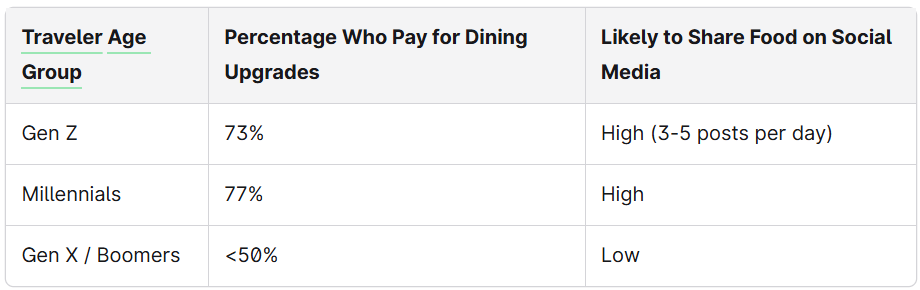
De hecho, los viajeros de ocio gastan un promedio de 1.566 dólares por viaje, más de lo que gastan los viajeros de placer. Los viajeros de negocios más jóvenes, en particular, como la Generación Z y los Millennials, tienen cinco veces más probabilidades que los profesionales de más edad de visitar un nuevo destino, como Tokio o París, por la comida y el estilo de vida.
Además, alrededor del 73% de los viajeros de la generación Z han declarado que gastan su dinero personal para viajar en restaurantes de alta gama mientras están fuera por motivos de trabajo porque ven el viaje como una oportunidad para «mejorar» su vida.
Gestionando el caos en la cocina del hotel
Para el gerente de un hotel o el propietario de un restaurante, esta afluencia de huéspedes que gastan mucho dinero es un arma de doble filo. Estamos viendo un resurgimiento de la demanda de comida y bebida en los hoteles, y los restaurantes de los hoteles se están convirtiendo en «espacios seguros» para los viajeros que buscan calidad sin salir del establecimiento. Sin embargo, el desafío de encontrar empleados y el aumento de los costos de los consumibles hacen que sea más difícil que nunca mantener la rentabilidad.
El desperdicio de alimentos es un problema enorme en la industria hotelera porque cada año se desperdicia alrededor de un tercio de los alimentos del mundo. En la cocina de un hotel que sirve una combinación de banquetes para conferencias y para personas que viajan por placer, los residuos pueden acumularse rápidamente si no se cuenta con directrices claras y herramientas inteligentes para el inventario.
La mayoría de los restaurantes pierden entre 40 000 y 100 000 dólares en ganancias por cada millón de dólares en ventas debido a problemas evitables, como el exceso de oferta, el robo y los errores de los proveedores. Cuando intentas animar a los viajeros a quedarse más tiempo y pasa tiempo en tu bar, no puede permitirse que sus márgenes se coman por la falta de control.
La evolución de la política de viajes corporativos
A medida que avanzamos hacia la próxima década, las empresas finalmente se están dando cuenta de que necesitan planificar con anticipación y crear una política formal de viajes de ocio. Antes se trataba de una situación en la que los empleados se limitaban a extender los viajes de trabajo a la baja, pero ahora el 43% de las empresas tienen normas claramente definidas para los viajes combinados.
De hecho, este cambio es una gran ventaja para la retención de los empleados, ya que el 73% de los trabajadores consideran que el ocio es una ventaja laboral importante y el 91% de los que hacen estos viajes afirman que tienen un mejor equilibrio entre la vida laboral y personal.
Una buena política de viajes de ocio ayuda a separar los gastos de negocios de los de ocio para que no haya confusión a la hora de pagar la factura. Por lo general, la empresa cubre la parte de los viajes de trabajo (como el vuelo y los días laborables en el hotel), mientras que el empleado cubre los gastos personales de los días de ocio.
Las organizaciones que permiten a los empleados traer a miembros de la familia o extender sus viajes de trabajo por motivos de ocio están obteniendo una mayor satisfacción laboral y empleados más productivos porque las personas regresan de sus viajes con más energía que las que acaban de hacer un viaje de negocios «normal».
Diseñando el destino de ocio de 2026
Si quieres captar más viajes de ocio, tienes que pensar en lo que estas personas realmente necesitan para ser productivas. Ya no se trata solo de un desayuno gratis, aunque el 90% de los huéspedes todavía lo desean. Se trata de crear un entorno en el que puedan equilibrar el trabajo y las actividades de ocio sin sentirse atrapados en un cubículo.
- El Wi-Fi confiable no es negociable: Este es el servicio más importante para el 90% de los viajeros que trabajan a distancia, ya que sin él no pueden asistir a esa reunión con un cliente ni cumplir con sus compromisos laborales.
- El lobby como centro de vida: Los hoteles modernos están difuminando las líneas entre el vestíbulo y el bar para crear espacios en los que las personas puedan trabajar con sus ordenadores portátiles durante el día y luego dedicarse a actividades de ocio por la noche.
- Ventajas para toda la familia: Dado que muchos viajeros están empezando a traer a su familia, es necesario ofrecer cosas como menús para niños y suites más grandes o habitaciones comunicadas que no parecen una caja corporativa estándar.
- Wellness y spas: Los viajeros de ocio tienen más probabilidades de hacer ejercicio y seguir una dieta saludable que los viajeros de negocios habituales, por lo que tener un excelente gimnasio u ofrecer tratamientos de bienestar es un gran atractivo.
Gestión de los gastos de viaje de ocio
A medida que los viajes de ocio se convierten en una parte habitual de los viajes de negocios, gestionar los gastos de forma eficaz es más importante que nunca. Las empresas deben establecer directrices y reglas claras que describan lo que se considera un gasto empresarial frente a un gasto personal, garantizando que tanto los empleados como los equipos financieros estén en sintonía.
Una política de viajes de ocio bien elaborada debe especificar qué gastos de viaje cubre la empresa, cómo gestionar las extensiones de ocio y qué documentación se requiere para el reembolso.
Para agilizar el proceso, muchas organizaciones están recurriendo a sistemas automatizados de administración de gastos que pueden rastrear, clasificar y separar los gastos personales y empresariales con facilidad.
Esto no solo reduce los problemas administrativos, sino que también garantiza el cumplimiento y la transparencia tanto para las empresas como para los empleados. Al planificar con antelación y establecer reglas claras, las empresas pueden minimizar los riesgos, controlar los costos, y brinde una experiencia de viaje de placer perfecta que beneficie a todos los involucrados.
A medida que la tendencia sigue creciendo, contar con una política sólida de viajes de ocio es esencial para mantener la competitividad y apoyar a los empleados que desean equilibrar el trabajo y el ocio en sus viajes.
La tecnología que hace que todo sea posible
No puede gestionar este nivel de complejidad con lápiz y papel. A medida que la industria de viajes pasa por una transformación digital, necesitas herramientas que te ayuden a gestionar tus zonas horarias, tus niveles de existencias y las solicitudes de los huéspedes al mismo tiempo. La inteligencia artificial está empezando a desempeñar un papel muy importante en este sentido, ya que puede ayudarte en todo tipo de tareas, desde la planificación automatizada de itinerarios hasta la configuración de las habitaciones con control por voz.
Pero hablemos del verdadero problema que mantiene despiertos a los gerentes de los hoteles por la noche y es la «factura única y hermosa» de inventario. Cuando tu bar está repleto de viajeros que buscan bebidas alcohólicas de alta gama, necesitas saber exactamente cuánto tienes a mano. Si sigues haciendo conteos manuales, estás desperdiciando horas del tiempo de tu equipo y probablemente estés perdiendo dinero con obsequios desmesurados o «generosos» que no están siendo rastreados.
Por qué el WISK es el arma secreta de los hoteles F&B
Aquí es exactamente donde BATIDOR viene para salvar el día a los restaurantes y bares de los hoteles. Sabemos que el inventario no es la parte más glamurosa de su trabajo, pero es esencial para su supervivencia en la próxima década. La mayoría de los gerentes odian hacer un inventario porque lleva una eternidad y, por lo general, es impreciso, pero WISK reduce ese tiempo en un 80% y le permite volver a dirigir su negocio.
Imagina poder tomar un inventario de tu bar 5 veces más rápido con una precisión del 99,7%. No tienes que adivinar cuánto dinero estás perdiendo a nivel de objeto porque WISK se integra con tu punto de venta para mostrarte la diferencia entre lo que vendiste y lo que realmente usaste. Para un hotel que intenta maximizar el componente de ocio de la estancia de un huésped, tener un bar rentable y bien surtido es la diferencia entre un visitante único y un viajero frecuente leal.
Resolver los puntos débiles del hotelero moderno
Entendemos la lucha de intentar mantén tus costos de comida bajo control al mismo tiempo que intentamos ofrecer una experiencia excepcional a los huéspedes. Estás lidiando con:
- Encogimiento y robo: Sin reglas y un seguimiento claros, está perdiendo una gran parte de sus ganancias debido a los costos «invisibles» del bar y la cocina.
- Precios inexactos: Si no sabes exactamente cuál es tu costo de los ingredientes, entonces probablemente estés subestimando tu menú y dejando dinero sobre la mesa.
- Agotamiento del personal: Su equipo ya está al límite debido a la tendencia de personal, por lo que lo último que quieren hacer es pasar cuatro horas en una cámara frigorífica contar botellas.
- Sobreabastecimiento y deterioro: Si no haces previsiones basadas en la demanda en tiempo real, acabarás con un sótano lleno de vino caro que nadie bebe.
WISK le ayuda a recuperar al menos el 21% de las ganancias perdidas por cosas como el desperdicio de alimentos y el exceso de comida. Automatiza tu facturación para que puedas dejar de introducir datos de forma manual y te avisa de existencias en tiempo real para que nunca tengas que decirle a un huésped que se te ha acabado su bebida favorita durante sus minivacaciones.
Conclusión: No dejes pasar el boom del bleisure
El mundo de los viajes de negocios nunca volverá a ser como era en 2019. Estamos entrando en una nueva era en la que las personas desean explorar, pasar tiempo con la familia y mantener un bienestar saludable durante sus viajes de trabajo. Las ciudades que se convierten en los principales destinos de ocio, como Nueva York, Londres y Tokio, son aquellas en las que los hoteles han descubierto cómo adaptarse a las necesidades del viajero.
Tienes que tomar una decisión. Puedes seguir tratando a todos los viajeros de negocios como si estuvieran allí para una reunión con un cliente o puedes empezar a crear opciones de ocio que animen a los viajeros a quedarse más tiempo y a gastar más. Si adoptas una política moderna de viajes de ocio y utilizas herramientas como WISK para reforzar tus operaciones, puedes convertir tu hotel en una potencia de la próxima década.
¿Está preparado para dejar de perseguir los recibos y empezar a aumentar sus márgenes? Es hora de ver cómo el inventario basado en datos puede transformar el rendimiento de los alimentos y bebidas de su hotel.
HAGA CLIC AQUÍ y descubre cómo podemos ayudarte a reducir el tiempo de inventario en un 80% y a aumentar tus márgenes de beneficio mientras te centras en ofrecer a tus huéspedes la mejor experiencia de ocio posible.