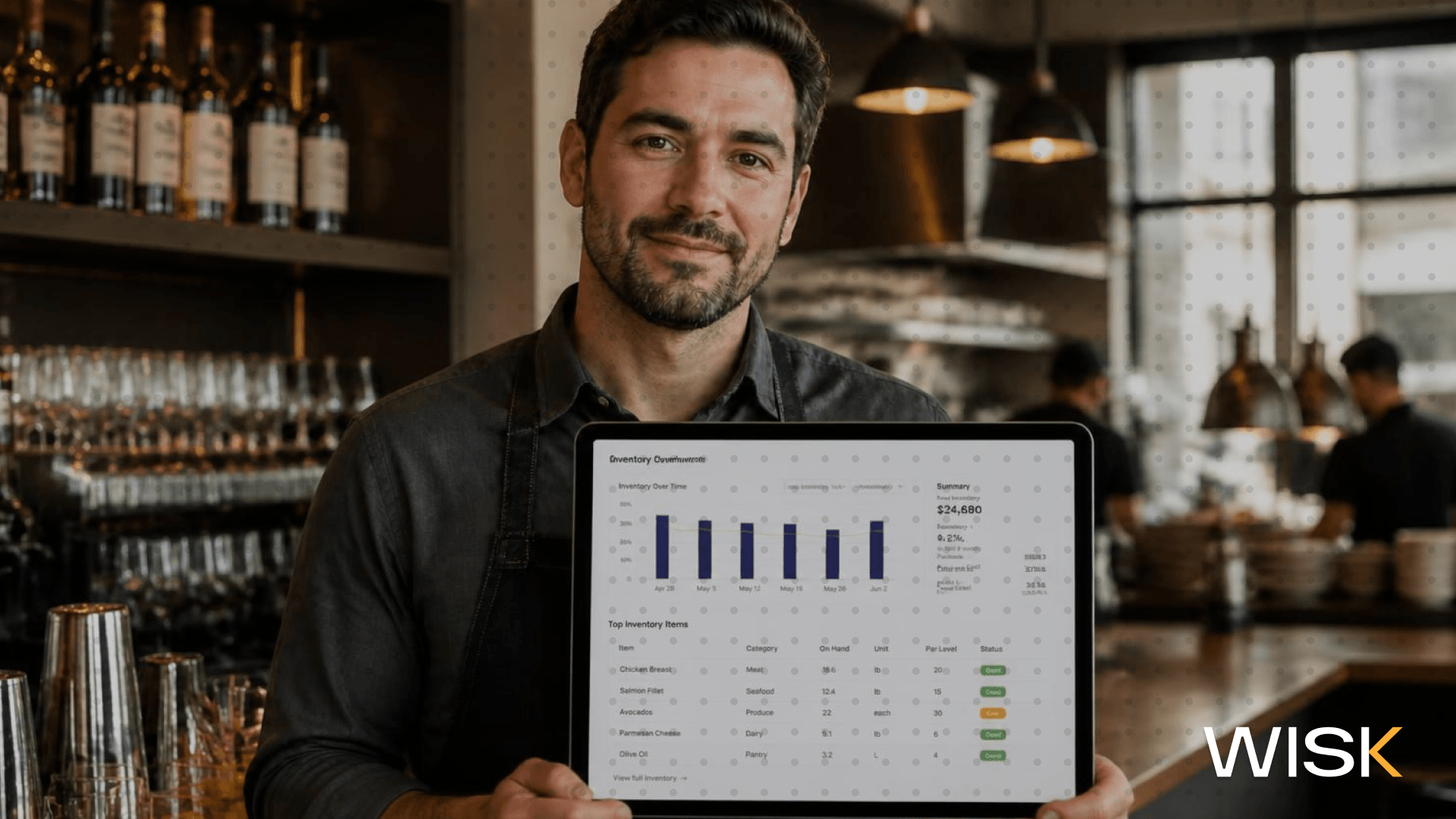
Holiday season hits, and suddenly your restaurant's buzzing with orders for everything from fresh turkeys to festive cocktails. You know the drill: demand spikes, supplies tighten, and prices can skyrocket if you're not careful. But what if you could turn those sales forecasts into your secret weapon at the negotiating table? We're talking about vendor negotiation strategies that let you secure favorable terms without burning bridges. Let's dive in and chat about how to negotiate prices with vendors, especially when seasonal buys are on the line, using data-driven insights to make every conversation count.
Think of it like preparing for a big family dinner. You wouldn't just guess how much food to buy; you'd check who's coming and what they like. Same goes for your business operations. By leaning on solid sales forecasts, you position yourself to bargain smarter, aiming for cost savings that boost your cash flow and keep things running smooth.
Why Data Makes All the Difference in Vendor Negotiations Today
First off, let's get real about the negotiation process. Vendor negotiation isn't a one-and-done deal; it's an ongoing process that builds stronger supplier relationships over time. You start by gathering your data, like past holiday sales patterns and projected demand. This isn't just numbers on a spreadsheet. It's ammunition that shows vendors you're serious about a mutually beneficial agreement.
For instance, if your forecasts predict a 20% jump in pie orders this December, you can approach suppliers with facts in hand. "Look, we're expecting this volume," you might say, "so let's talk about variable pricing models that reward bulk buys." This approach shifts the chat from haggling over pennies to a collaborative problem-solving exercise. And according to a Customer Supplier Negotiation Study by Vantage Partners, aligning perspectives between buyers and sellers leads to better outcomes for everyone involved. They found that when both sides share data openly, agreements become more sustainable.
Data also helps you spot industry trends early. Maybe supply chain disruptions from weather or global events are looming. With forecasts, you anticipate these and negotiate delivery schedules that protect your operations. It's about broader value creation, not just immediate cost savings. You end up with favorable payment terms, like extended deadlines that ease your financial operations during peak times.
Arming Your Procurement Team with the Right Tools
Your procurement team plays a starring role here. Equip them with negotiation skills honed on real data, and watch them transform vendor contract negotiation into an art form. Start simple: review vendor performance from last season. Did they meet quality and reliability standards? Use measurable performance indicators, like on-time delivery rates, to back up your asks.
Here's a tip: don't limit yourself to one supplier. Explore alternative suppliers to create leverage. When you have options from multiple vendors, you negotiate from strength. This vendor management process keeps everyone on their toes and fosters competitive advantages for your business.
Take payment terms, for example. If your data shows steady cash flow through the holidays, push for timely payments in exchange for discounts. Or negotiate favorable payment terms that align with your peaks and valleys. It's all about finding win-win solutions that support long-term relationships.
And let's not forget cultural differences in international negotiations. If you're sourcing spices from overseas, understand how they approach talks. Data bridges gaps here, providing a universal language that transcends borders.

Step-by-Step: How to Negotiate Holiday Orders Like a Pro
Ready for some hands-on advice? Let's break down the supplier negotiation process into actionable steps, mixed with a bit of discussion on why they work.
- Prep Your Data Arsenal. Before any formal negotiations, dive into your sales forecasts. Calculate total cost of ownership, including shipping and storage. This reveals the true total cost, beyond just the sticker price. Share these insights to show vendors the big picture, encouraging creative solutions like bundled deals.
- Set Clear Goals. Know what you want: lower vendor pricing, better after-sales support, or flexible contract compliance. Tie these to your business interests, like maintaining quality standards amid high demand. A well-negotiated contract covers all this, ensuring agreements remain relevant through contract renewals.
- Engage Multiple Stakeholders. Involve your team early. Maybe your chef has input on quality, or finance weighs in on terms. This builds a united front, making your negotiation phase more effective.
- Hit the Table with Confidence. At the negotiating table, lead with data. "Our forecasts show we'll need twice the usual volume," you explain. Then ask for concessions, like reduced rates for loyalty. Remember, successful negotiation thrives on listening. As negotiation expert Chris Voss puts it, "Successful negotiation is not about getting to 'yes;' it's about mastering 'no' and understanding what the path to agreement is." This mindset turns potential roadblocks into opportunities for successful supplier negotiation.
- Monitor and Adjust. Post-deal, track performance metrics with key performance indicators. This tracking and performance measurement sets the stage for future negotiations, turning one-off deals into strategic partnerships.
Mixing in a survey for perspective: A 2025 report from Procurement Tactics on Negotiation Statistics highlights that 69% of vendors spend one to three months on annual talks. That means preparation pays off, especially for seasonal spikes where timing is everything.
These steps aren't rigid. Adapt them to your supply chain. If disruptions hit, use data to renegotiate swiftly, protecting your business relationship.
Building Positive Vendor Relationships for the Long Haul
Vendor relationships are the backbone of smooth supply chain management. Treat negotiations as chances to strengthen them. Focus on positive vendor relationships by emphasizing shared success. When you secure favorable contract terms, celebrate how it benefits both sides.
Discuss vendor agreements that include clauses for future disputes. Clear terms on issues like late deliveries prevent headaches down the line. And for new supplier agreements, start small to test waters before scaling up.
Strong vendor relationships lead to perks like priority during shortages. Invest time in supplier relationships, and you'll see returns in reliability and innovation. It's a critical component of successful vendor relationships, where trust trumps transactions.
Consider this metaphor: negotiating is like tending a garden. Plant data seeds early, nurture with communication, and harvest cost savings season after season. Skip the care, and weeds like misunderstandings creep in.
Avoiding Common Pitfalls in Contract Negotiation
No chat on vendor contract management is complete without warning about traps. One biggie: overlooking the fine print. Always review vendor contracts for hidden fees that inflate total cost.
Another: rushing into deals without alternatives. Without backup suppliers, you lose leverage, leading to less favorable terms.
Don't ignore performance metrics post-deal. Regular check-ins ensure contract compliance and keep things on track.
In volatile markets, watch for supply chain disruptions. Build flexibility into contracts, like options for variable pricing models based on market shifts.
Finally, remember negotiation is a skill. Practice makes perfect, turning each interaction into a step toward stronger supplier relationships.
Real-World Wins: Lessons from the Field
Drawing from Harvard Business Review's insights on negotiating with powerful suppliers, one key lesson is shifting power dynamics through preparation. They share how industries like railways flipped the script by banding together for better deals. Apply this to your restaurant: team up with peers for group buys during holidays, amplifying your bargaining power.
These stories show how data turns underdogs into equals, fostering win-win solutions that endure.
How WISK Powers Your Data-Driven Negotiations
As you gear up for those holiday orders, tools like WISK can make all the difference for restaurants. WISK's inventory management and forecasting features give you real-time sales data, helping you predict demand accurately and bargain with confidence.
Imagine having precise insights into ingredient needs, so you negotiate volumes that match your peaks without overstocking. This ties directly into effective vendor negotiations today, streamlining your procurement process and driving immediate cost savings.
Whether tracking vendor performance or optimizing cash flow through smarter buys, WISK keeps your operations efficient. It's designed for busy managers like you, turning data into actionable strategies for successful negotiation.
Ready to level up? Head over to WISK's site and sign up for a free demo. See how it transforms your vendor relationships and boosts your bottom line this season.