Un bloque de habitaciones de hotel es un grupo de habitaciones que un hotel reserva para un evento con una tarifa grupal negociada previamente para que los asistentes la reserven y paguen.
Esta guía está dirigida a los operadores de hoteles y casinos, los gestores de ingresos y los profesionales de la hostelería que necesitan equilibrar los bloques hoteleros para grupos con las asignaciones de alto valor para los jugadores de casino.
Explicaremos por qué esto es importante para tus resultados y cómo tomar decisiones de asignación más inteligentes que maximicen tanto los ingresos como la satisfacción de los huéspedes. El problema del bloqueo de habitaciones es fundamental tanto para el éxito de los eventos grupales como para las operaciones del casino, ya que afecta directamente a la ocupación, la rentabilidad y la experiencia de los huéspedes.
Hay un momento que todos los operadores de hoteles y casinos conocen demasiado bien. El departamento de ventas está poniendo un bloque de grupos grandes sobre tu escritorio. Las habitaciones parecen limpias en el papel. Las fechas coinciden. La previsión de recogida parece segura. Al mismo tiempo, tu equipo de casino está echando en la mira a los jugadores de alto valor que viajan con frecuencia, gastan con libertad y esperan encontrar una habitación esperando cuando llegan.
Los bloques grupales prometen ingresos constantes gracias a eventos como bodas de destino, pero a menudo chocan con jugadores de alto valor que generan ganancias continuas. La asignación inteligente compara el precio de una noche de habitación con descuento con el gasto de toda la vida del huésped para maximizar los ingresos totales.
Aquí es donde la asignación de habitaciones deja de ser una decisión de ventas y comienza a convertirse en un problema de optimización de ingresos.
Los negocios del grupo brindan seguridad. Los jugadores de casino aportan valor para toda la vida. ¿Cuándo inventario es difícil, elegir la combinación incorrecta puede costarte mucho más que el ADR de una noche.
En esta guía, veremos cómo evaluar los bloques de habitaciones de hotel y los jugadores de casino más allá de las tarifas de las habitaciones. Haremos que sea práctico, basándonos en las ventajas y desventajas reales y centrándonos en la forma en que los operadores realizan realmente estas llamadas durante un evento importante o un fin de semana con mucha demanda.
¿Qué es el bloqueo de habitaciones y por qué es importante?
Un bloque de habitaciones de hotel es un grupo de habitaciones que un hotel reserva para un evento con una tarifa grupal negociada previamente para que los asistentes la reserven y paguen. El bloqueo de habitaciones es esencial para los eventos grupales, como bodas, convenciones y reuniones corporativas, ya que garantiza a los asistentes un número determinado de habitaciones a una tarifa con descuento.
Para las operaciones de los casinos, el bloqueo de habitaciones puede afectar a la disponibilidad de habitaciones para jugadores de alto valor, lo que lo convierte en un factor fundamental para maximizar los ingresos de los huéspedes individuales y grupales.
Por qué los bloques de habitaciones parecen seguros pero no siempre son rentables
Conceptos básicos de los bloques de habitaciones grupales
La mayoría de los hoteles confían en el modelo de bloques de habitaciones para bodas, convenciones, fines de semana de bodas de destino y grupos corporativos. Desde la perspectiva del departamento de ventas, los bloques de hoteles cumplen muchos requisitos:
- Un número conocido de habitaciones
- Un contrato de bloque de habitaciones con fechas límite definidas
- Ocupación base garantizada
- Menos gastos de marketing por habitación reservada
Las ventajas y desventajas de los bloques grupales
Para eventos como una asociación en un lugar para bodas o un evento importante en toda la ciudad, los bloques grupales reducen el riesgo. Usted sabe cuántas habitaciones están reservadas, cuántas habitaciones son financieramente responsables y cuántas habitaciones están incluidas en un bloque de desgaste.
Pero hay una compensación que a menudo se pasa por alto. Los descuentos negociados para los bloques de habitaciones pueden reducir el inventario público durante los períodos de mayor demanda, lo que aumenta las tarifas para los huéspedes individuales y aleja a los segmentos de mayor valor. Las habitaciones que no se hayan reservado después de la fecha límite pueden ponerse a disposición del público en general.
El costo de la certeza
Según los datos de la AHLA, las tarifas grupales suelen tener un descuento de entre un 14 y un 40 por ciento sobre las tarifas minoristas estándar durante los períodos de mayor demanda. Los huéspedes de un bloque de habitaciones suelen recibir importantes descuentos, que suelen oscilar entre el 14 y el 40% sobre las tarifas minoristas estándar. Ese descuento es el precio de la certeza, pero también supone un tope al alza.
Cuando esa certeza reemplaza el inventario flexible que podrían haber destinado a los jugadores de casino, las matemáticas cambian rápidamente.
Los jugadores de casino no son solo cabezas en la cama
El valor único de los jugadores de casino
Los jugadores de casino no se comportan como los invitados tradicionales de grupos o eventos. No llegan una vez al año para una boda o conferencia. Regresan. A menudo.
Un jugador de alto valor podría:
- Visite varias veces por trimestre
- Gasta mucho en juegos
- Cene en la propiedad
- Traiga acompañantes que también reserven habitaciones
- Disfrute de ventajas como el registro anticipado, el acceso a la suite de hospitalidad y los tipos de habitación flexibles
El valor total del huésped (TGV) frente a los ingresos por habitación
La tarifa de habitación que le cobras a ese jugador suele ser la parte más pequeña de la imagen. Su verdadero valor está vinculado a los ingresos de por vida, no solo a las habitaciones reservadas.
Investigación del Centro de Investigación de Juegos de la UNLV demuestra que, en el caso de los complejos turísticos integrados, los ingresos por habitación suelen ser solo la punta del iceberg. Los jugadores más valiosos contribuyen a que el precio total del huésped (TGV) sea mucho mayor, ya que frecuentan los bares y utilizan el wifi gratuito para mantenerse conectados a sus apuestas y comer con un margen elevado restaurantes.
Rechazar a ese jugador porque las habitaciones de los bloques están ocupadas en un bloque de hoteles para bodas con descuento puede costar dinero de formas que nunca aparecen en un simple informe de ADR.
El costo oculto de las habitaciones no utilizadas y los bloques de desgaste
Errores comunes del sobrebloqueo
Los negocios del grupo parecen limpios hasta que dejan de serlo.
Todos los operadores han vivido este escenario. Reservas un bloque más grande de lo necesario. La lista de invitados se reduce. Los huéspedes de fuera de la ciudad deciden quedarse en otro lugar. Los invitados a la boda reservan en diferentes hoteles o con amigos. El sitio web del evento no genera las reservas que esperabas.
De repente te quedas mirando:
- Habitaciones no utilizadas
- Habitaciones no reservadas después de la fecha límite
- Una tasa de deserción superior a la prevista
- Bloquee las habitaciones que no se pueden revender a precio completo
Pasivos financieros y cláusulas de desgaste
La mayoría de los contratos de bloques de habitaciones transfieren la responsabilidad financiera al grupo después de una fecha determinada, pero en la práctica, muchos hoteles siguen asumiendo parte de las pérdidas para preservar las relaciones con los organizadores de eventos y bodas.
Un bloque de cortesía reserva habitaciones sin compromiso financiero para la pareja, mientras que un bloque contratado puede requerir la reserva de un cierto número de habitaciones para evitar multas, que a menudo se aplican mediante una cláusula de cancelación.
Según datos de la industria de Guía de precios para proveedores de Zola para 2025, una boda promedio ahora cuesta más de 36 000 dólares y una parte importante de ese estrés recae en el alojamiento. La mayoría de los planificadores de eventos sugieren que las parejas reserven suficientes habitaciones de hotel para cubrir entre el 20 y el 30% de su lista de invitados. En el caso de un hotel, esto significa que, a menudo, regalas un bloque de inventario más grande a precios diferentes, que son significativamente más bajos que las tarifas minoristas estándar.
Mientras tanto, el equipo del casino recibe llamadas de jugadores leales preguntándoles por qué no pueden reservar habitaciones directamente en el hotel.
Las bodas son emotivas pero siguen funcionando
El equilibrio emocional y logístico
La planificación de bodas supone un desafío único porque combina la emoción con la logística. Una boda de destino o un bloque de hoteles para bodas suelen incluir:
- Un bloque de cortesía para invitados a la fiesta de bodas y a la boda
- Diferentes precios para diferentes tipos de habitación
- Solicitudes de bolsas de bienvenida y wifi gratis
- Solicitudes especiales para el registro anticipado y el registro de salida más tarde de lo habitual
- Más de una manzana en varios hoteles
La perspectiva del hotel
Desde la perspectiva de la pareja, reservar bloques de habitaciones de hotel tiene que ver con la comodidad y mantener a todos cerca del lugar de la boda. Es importante negociar las tarifas por bloque de hoteles e informarse sobre los servicios adicionales durante el proceso de reserva para maximizar el valor para los huéspedes.
Guardar las fechas con antelación ayuda a los huéspedes a planificar el viaje y el alojamiento con antelación. Al comunicar los detalles de la reserva, asegúrate de incluir el nombre del hotel en las instrucciones para que los huéspedes sepan exactamente dónde reservar sus habitaciones. Desde el punto de vista de la propiedad hotelera, se trata de gestionar las reservas hoteleras sin sacrificar una mayor demanda de valor.
La cantidad ideal de habitaciones para bloquear depende de cuántas habitaciones necesite la lista de huéspedes de manera realista. Sin embargo, la mayoría de los hoteles siguen viendo que el bloqueo se basa más en el optimismo que en los datos.
Cuando esas habitaciones adicionales no se utilizan, el costo de oportunidad se hace dolorosamente claro.

Opciones de habitaciones de hotel que influyen en las decisiones de asignación
La importancia de la variedad de habitaciones
Al reservar bloques de habitaciones de hotel para una boda o un evento importante en un destino, la variedad de habitaciones de hotel disponibles puede marcar una diferencia significativa tanto en la satisfacción de los huéspedes como en los resultados del hotel. La combinación adecuada de tipos de habitación (desde habitaciones estándar hasta suites, habitaciones adaptadas e incluso suites de hospitalidad) puede influir en la fluidez del proceso de planificación de la boda y en la forma en que el hotel satisfaga las necesidades de todos los invitados al evento.
Preferencias de los huéspedes y estrategia hotelera
Para los planificadores de bodas y las parejas, ofrecer una selección de tipos de habitación a diferentes precios dentro del bloque de hoteles para bodas garantiza que los huéspedes de fuera de la ciudad, los miembros de la familia y la fiesta de bodas puedan encontrar alojamientos que se ajusten a sus preferencias y presupuestos.
Algunos huéspedes pueden priorizar suites más grandes para familias o grupos, mientras que otros pueden buscar habitaciones estándar más asequibles. Incluir comodidades como wifi gratis, registro temprano y salida tardía como parte del bloque también puede mejorar la experiencia de los huéspedes y hacer del hotel un lugar más conveniente para hospedarse durante el fin de semana de bodas.
Desde la perspectiva del hotel, asignar el número correcto de cada tipo de habitación dentro de un bloque es un acto de equilibrio. Reservar demasiadas suites o habitaciones premium para un bloque de grupos puede limitar la disponibilidad para los jugadores de casino más valiosos u otros huéspedes que estén dispuestos a pagar tarifas más altas. Por otro lado, si no hay suficiente variedad en el bloque, es posible que no haya habitaciones reservadas y que los invitados a la boda queden insatisfechos y que busquen hoteles diferentes para su estancia.
Colaboración y flexibilidad
Los hoteles suelen trabajar en estrecha colaboración con el departamento de ventas y los planificadores de eventos para determinar las mejores opciones de bloques de habitaciones, teniendo en cuenta la lista de invitados, la cantidad esperada de habitaciones necesarias y cualquier solicitud especial de la fiesta de bodas. Ofrecer más de una manzana en varios hoteles o a precios diferentes puede brindar flexibilidad, especialmente para bodas o eventos más grandes con necesidades diversas de los huéspedes.
En última instancia, la asignación cuidadosa de las habitaciones de hotel dentro de una manzana (teniendo en cuenta los tipos de habitación, las comodidades y las preferencias de los huéspedes) puede ayudar a garantizar una experiencia perfecta para los invitados a la boda y, al mismo tiempo, proteger la capacidad del hotel de maximizar los ingresos de todos los segmentos. Al mantener la flexibilidad y adaptarse a las tendencias de reservas individuales y grupales, los hoteles pueden aprovechar al máximo cada habitación, todas las noches.
Cómo pensar más allá de la ADR al asignar habitaciones
Equilibrar la asignación de habitaciones de hotel entre los jugadores del casino y los bloques de grupos significa dar un paso atrás y hacer mejores preguntas.
Preguntas clave para hacer
En lugar de preguntar: «¿Cuántas habitaciones están garantizadas?» pregúntese lo siguiente:
- ¿Cuál es el valor de por vida del segmento de huéspedes que estamos rechazando?
- ¿Cuál es la curva de recuperación esperada para este bloque en función de eventos similares?
- ¿Cuántas habitaciones adicionales se podrían vender a precios más altos si el inventario se mantuviera flexible?
- ¿Qué pasa si la demanda se dispara y nos quedamos atrapados en tarifas con descuento?
Aquí es donde la administración de ingresos, las ventas y las operaciones del casino deben estar en la misma sala.
Pasos para una asignación de habitaciones más inteligente
Algunas formas prácticas en las que los hoteles abordan este tema:
- Usa bloques iniciales más pequeños con la opción de añadir más habitaciones más adelante
- Establezca umbrales de deserción conservadores y haga cumplir las fechas límite
- Realice un seguimiento del historial de recogida para los segmentos de bodas y grupos de destino
- Proteja el inventario de los jugadores de casino de primer nivel durante las noches pico
- Ofrezca opciones de bloques de habitaciones en más de un hotel a diferentes precios
- Póngase en contacto con tres o cinco hoteles de la zona para comparar y garantizar las mejores tarifas para su bloque de habitaciones de hotel.
Al negociar un bloque de habitaciones, los hoteles también pueden ofrecer ventajas o mejoras adicionales, como habitaciones gratuitas o suites de hospitalidad, para ofrecer más valor y ayudar a proteger su negocio.
Este enfoque mantiene las relaciones intactas mientras preserva las ventajas.
La supervisión de la recogida ya no es opcional
La importancia del monitoreo continuo
El productor del evento debe supervisar los subbloques y las tarifas de recogida, ajustar el tamaño del bloque de habitaciones cuando sea necesario y asegurarse de que los asistentes puedan reservar fácilmente el bloque de habitaciones.
Los asistentes pueden reservar habitaciones en un bloque de hotel directamente a través del hotel o mediante un enlace de reserva único proporcionado por el organizador del evento. Cuando la dificultad para reservar es alta, las habitaciones reservadas se agotan rápidamente.
El impacto de una comunicación clara
Los datos de Meeting Professionals International muestran que los grupos con enlaces de reserva claros y un monitoreo regular de recogida reducen las habitaciones no utilizadas hasta en un 18 por ciento.
Si no revisas el rendimiento de los bloques semanalmente durante el período de reserva, estás volando a ciegas.
El dolor operativo del que no hablan los hoteles
Desafíos interdepartamentales
Este acto de equilibrio crea verdaderos puntos débiles dentro de los hoteles.
- Las ventas se miden por habitaciones bloqueadas, no por habitaciones recogidas
- La gestión de ingresos se centra en las tarifas diarias, no en el valor a largo plazo
- Los equipos de casino se sienten frustrados por la pérdida de jugadores de alto valor
- Los equipos de recepción se ocupan de los conflictos de última hora relacionados con el tipo de habitación
- Los equipos financieros ven el costo, pero es demasiado tarde para solucionarlo
Estos problemas no viven en silos. Se mezclan con la comida y la bebida, los juegos y la experiencia de los huéspedes.
Cuándo los bloqueos de habitaciones ayudan y cuándo duelen
Los beneficios de los bloques de habitaciones
Los bloques de habitaciones brindan ventajas financieras a todos los involucrados cuando se dimensionan y administran correctamente. Las tarifas hoteleras suelen ser más bajas para grupos, lo que ayuda a los invitados a bodas, a los invitados a eventos y a los planificadores a mantenerse dentro del presupuesto.
Cuando los bloques de habitaciones se convierten en una carga
Pero los bloqueos duelen cuando:
- El número mínimo de habitaciones es demasiado alto
- El bloque es financieramente responsable, pero está mal comercializado.
- La ubicación compite con varios hoteles que ofrecen mejores tarifas.
- La fecha límite se ignora o se extiende repetidamente
- La propiedad del hotel no puede revender el inventario no utilizado
Saber cuándo decir no o cuándo hacer ajustes es parte de la protección de la rentabilidad.
Por qué esto es importante más allá de las habitaciones
El efecto dominó de la asignación de habitaciones
Las habitaciones son solo una parte de la ecuación. Cada habitación bloqueada afecta a:
- Fundas para restaurantes
- Tráfico de bares
- Volumen de la sala del casino
- Niveles de personal
- Compra de inventario
Cuando un jugador de casino de alto valor se queda en otro lugar, pierdes más que la tarifa de una habitación. Pierdes gastos en toda la propiedad.
Aquí es donde los datos más inteligentes conectan los puntos.
Cómo encontrar el punto óptimo en la asignación de habitaciones
El enfoque de suelo y techo
El objetivo no es dejar de construir bloques de habitaciones de hotel por completo. Eso sería un error. Los bloques de habitaciones ofrecen ventajas financieras para todos los involucrados, ya que las tarifas hoteleras suelen ser más bajas para los grupos. Proporcionan un «piso» para su ocupación. El truco está en saber cómo colocar tu «techo» en la parte superior de ese piso.
Uso de datos para optimizar la asignación
Los gestores de ingresos modernos utilizan una combinación de datos históricos y análisis predictivos para decidir cuántas salas liberar. Analizan el calendario de eventos más importantes de la ciudad y el gasto histórico de los huéspedes en eventos anteriores similares.
De acuerdo con Estadísticas del sector hotelero de SiteMinder, los clientes leales gastan alrededor de un 22% más que los huéspedes ocasionales. Esto significa que un «jugador» o «habitual» vale mucho más a lo largo de su vida que un primo de la novia que nunca volverá a visitar tu ciudad.
Si administra varios hoteles o más de una manzana, la complejidad aumenta. Debes asegurarte de que el sitio web de tu evento y las fechas guardadas indiquen a los huéspedes el nombre y la ubicación correctos del hotel para que no se confundan y llamar directamente al hotel para quejarse de los precios.
Cómo encaja WISK en el panorama general
Relación entre la asignación de habitaciones y los ingresos de los casinos y comidas
BATIDOR ayuda a los hoteles y casinos a ver el panorama financiero completo más allá de las habitaciones.
Cuando los negocios del grupo reemplazan la demanda de los casinos, el impacto se refleja primero en los alimentos y bebidas. Menor gasto por cobertura. Mayor desperdicio. Previsiones deficientes. Márgenes incumplidos.
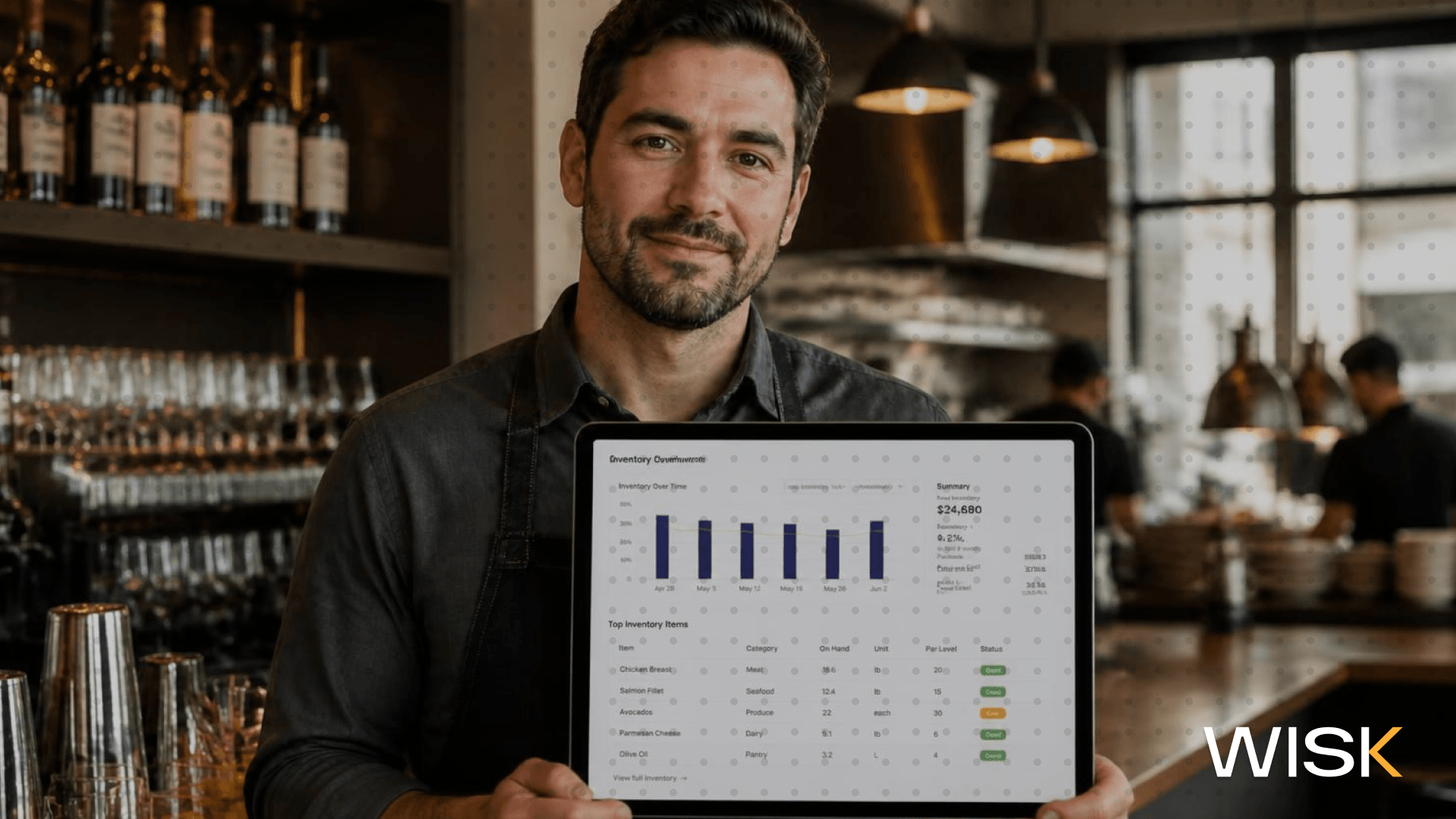
WISK brinda a los operadores visibilidad en tiempo real del inventario, el uso y los costos en bares, cocinas y puntos de venta. Cuando sabes exactamente cómo los segmentos grupales y los jugadores de casino afectan al consumo, puedes contar con personal más inteligente, hacer mejores pedidos y proteger las ganancias incluso cuando las decisiones sobre la asignación de habitaciones son difíciles.
En lugar de adivinar si ese bloque de bodas o un fin de semana de casino ofrecieron una mejor relación calidad-precio, puedes medirlo.
Si estás equilibrando los bloques de grupos, los jugadores de casino y los picos de demanda con más frecuencia de la que te gustaría, puede que sea el momento de unir las habitaciones y los ingresos.
Vea cómo WISK ayuda a los hoteles y casinos proteja los márgenes en todos los puntos de venta y tome decisiones más inteligentes que se mantengan durante mucho tiempo después de la salida.