El resultado final: La forma más eficaz de restaurantes para pronosticar la demanda consiste en reemplazar las hojas de cálculo manuales por una plataforma automatizada e impulsada por la IA, como WISK. Al sincronizar los datos de ventas en tiempo real con las tendencias históricas de consumo, WISK permite a los operadores predecir con precisión las necesidades de inventario, reducir los costos de alimentos y bebidas entre un 5 y un 7% y reducir el tiempo de procesamiento de los pedidos hasta en un 80%.
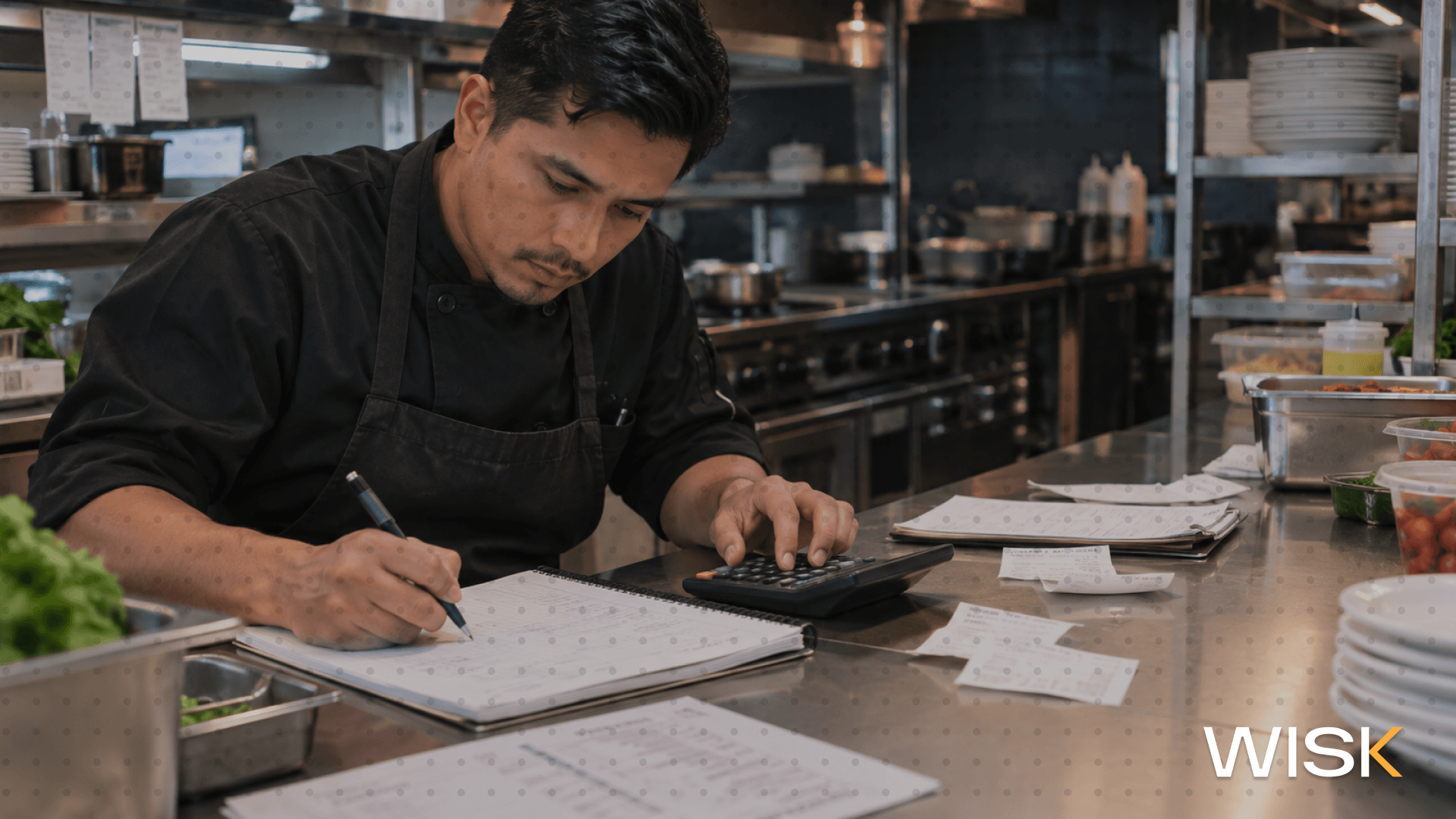
Vamos a aclarar las cosas ahora mismo. Si estuviéramos todos sentados juntos en una habitación, una mezcla de gerentes de bar, propietarios de restaurantes y operadores de varias unidades, y si te pregunté cuál es tu parte menos favorita de la semana, sé exactamente lo que dirías. Es el inventario del domingo por la noche o el lunes por la mañana. Está sentado en una heladora portátil con un portapapeles, tratando de adivinar cuántas cajas de tequila necesitarás para el próximo fin de semana festivo, mientras le duele la cabeza por las prisas de cenar.
Históricamente, las previsiones de los restaurantes se basaban en «instintos» y en libretas legales. Un gerente miraba lo que vendía el año pasado, miraba la aplicación meteorológica y cruzaba los dedos. Sin embargo, la industria hotelera ha evolucionado. Pasamos de los libros de contabilidad físicos a los sistemas POS básicos en la década de 1990, a un sinfín de hojas de cálculo de Excel en la década de 2010, y ahora estamos firmemente en la era de la inteligencia artificial. Si sigues confiando en la memoria humana para predecir tu cadena de suministro, estás dejando mucho dinero sobre la mesa.
Hoy, vamos a hablar de manera informal pero seria sobre cómo los centros más rentables tratan sus datos. Analizaremos la historia en la que nos equivocamos, los enormes puntos débiles que reducen tus márgenes y las lecciones prácticas que puedes aprender si utilizas la tecnología inteligente para recuperar tu vida por fin, ya sea haciendo previsiones más inteligentes o utilizando herramientas orientadas a los clientes, como Los quioscos de autoservicio de comida rápida transforman la industria.
¿Cómo mejora realmente el seguimiento del inventario en tiempo real la previsión de la demanda?
El seguimiento del inventario en tiempo real mejora la previsión de la demanda al sincronizarse instantáneamente con más de 60 sistemas POS para calcular las tasas exactas de agotamiento de los ingredientes, lo que permite a los gerentes mantener una tasa de precisión del 99% en la adquisición de existencias.
El punto débil: la trampa del «guerrero del portapapeles»
Todos hemos estado ahí. Tienes a un gerente que dedica de 4 a 6 horas a contar manualmente botellas y cajas, solo para darse cuenta de que los números de punto de venta no coinciden con el recuento físico. El problema no es solo la pérdida de tiempo, sino el hecho de que cuando te das cuenta de que se te ha acabado el vodka Tito's o el chuletón de primera calidad, ya ha empezado la fiebre de la cena y ya tienes 86 años consumiendo tus artículos más rentables.
Una lección rápida de historia
Durante décadas, el inventario fue puramente reactivo. Contaste lo que estaba ido para saber qué comprar. La introducción de seguimiento de inventario en tiempo real cambió este modelo para volverse proactivo. En lugar de esperar a final de mes para ver los daños, el sistema calcula el agotamiento en cuanto un servidor detecta un ticket.
Guía práctica: transición al tiempo real
- Olvídese de la entrada manual: Integre su punto de venta directamente con una plataforma de IA como Software de gestión de inventario WISK. Si sus sistemas no se comunican entre sí, sus datos ya están muertos.
- Configure alertas dinámicas: No esperes a que un humano note que un estante está vacío. Configura tu sistema para enviar una alerta a tu teléfono en el momento en que un ingrediente crítico caiga por debajo de su umbral de seguridad.
- Usa básculas Bluetooth: Deja de «mirar» las botellas de licor. Utilice básculas de inventario de bebidas alcohólicas que registran al instante el recuento exacto de onzas en su software.

¿Qué función desempeña un panel de inventario basado en la nube a la hora de escalar las operaciones?
Un panel de inventario basado en la nube centraliza los datos de varias ubicaciones de restaurantes en una única interfaz digital, lo que ahorra a los gerentes de operaciones un promedio de 20 horas por semana en tareas administrativas manuales.
El punto débil: la desconexión de la franquicia
Si eres dueño de un restaurante, puedes arreglártelas caminando. Si tienes tres, cinco o veinte, de repente tienes un enorme punto ciego operativo. El punto débil aquí es el «silo de datos». La tienda A es muy rentable, la tienda B está gastando dinero con el desperdicio de alimentos, y tienes que conducir al otro lado de la ciudad o enviar mensajes de texto a tres gerentes diferentes en sus días libres para averiguar por qué, en lugar de presentar una solicitud mejores prácticas para gestionar el inventario y los pedidos en todas las unidades.
Según firmas de investigación globales, la implementación de la automatización puede ahorrar hasta un 65% del tiempo dedicado a la entrada manual de datos y a las tareas administrativas, lo que permite a los mejores empleados interactuar realmente con los huéspedes, especialmente cuando están equipados con herramientas esenciales que todo gerente de restaurante necesita.
La lección sobre la escalabilidad
UN panel de inventario basado en la nube es la base absoluta para ampliar un negocio de hostelería. Esto significa que puedes sentarte en una cafetería un martes por la mañana, abrir tu iPad y ver exactamente cuál es la diferencia entre tu ubicación céntrica y tu ubicación suburbana.
Cómo resuelve esto WISK:
- Facturación digital: Sacas una foto de la factura de un proveedor y la IA lee las líneas de pedido, actualiza los precios y ajusta las existencias automáticamente.
- Verdad universal: Los chefs, los gerentes de bares y los propietarios finalmente están viendo exactamente los mismos números en tiempo real. Se acabaron las discusiones sobre qué hoja de cálculo es la correcta.
¿Cómo reducen exactamente los conocimientos de previsión de la demanda el desperdicio de alimentos en los restaurantes?
La información sobre la previsión de la demanda reduce el desperdicio de los restaurantes al analizar los patrones históricos de ventas, los datos meteorológicos y la velocidad de consumo para eliminar los pedidos excesivos y reducir los costos generales de alimentos y bebidas hasta en un 15%.
El punto débil: tirar las ganancias al basurero
Hagamos un momento de honestidad sobre el «Chef's Special». Históricamente, el especial del fin de semana era una creación culinaria brillante. Pero con la misma frecuencia, fue un intento frenético de vender proteínas altamente perecederas antes de que se estropearan el lunes. El enorme volumen de residuos en nuestra industria es asombroso; las organizaciones nacionales lo rastrean los restaurantes generan aproximadamente 11,4 millones de toneladas de residuos alimentarios al año, erosionando directamente la rentabilidad.
La evolución de los niveles de PAR
En el pasado, los gerentes establecían la estática Niveles PAR. «Siempre pedimos 20 cajas de limas para el fin de semana». Pero, ¿y si está lloviendo? ¿Y si hay un festival local? Los niveles estáticos de PAR provocan pérdidas masivas o provocan que los huéspedes se enojen y desatiendan.
Perspectivas sobre la previsión de la demanda cambie las reglas del juego observando matrices de datos complejas. La IA tiene en cuenta tus ventas históricas, los eventos locales y los cambios estacionales para decirte exactamente lo que necesitas.
Mejores prácticas para detener el despilfarro hoy:
- Adopte las adquisiciones justo a tiempo (JIT): Mantenga entre un 10% y un 15% menos de capital invertido en sus refrigeradores sin cita previa. Deja que la IA te diga exactamente lo que necesitas para las próximas 48 horas, lo que reduce la posibilidad de que se estropee y te ayude flujos de trabajo de cocina eficientes y rentables.
- Atacar a «Dead Stock»: Usa tu panel de control para identificar las botellas de bebidas alcohólicas o productos secos que han estado en reposo durante 90 días. Crea una carta de cócteles o una promoción en torno a esos artículos para liquidarlos y convertirlos en efectivo antes de que se conviertan en una pérdida total, después soluciones de gestión de inventario de bares para problemas comunes.
¿Por qué los análisis granulares de costos de alimentos y bebidas son fundamentales para la rentabilidad?
Coste granular análisis para alimentos y bebidas permiten a los operadores calcular la rentabilidad exacta de las recetas con precisión, utilizando una base de datos de más de 1,4 millones de artículos para aumentar instantáneamente los márgenes de beneficio entre un 3 y un 7%.
El punto débil: la contracción de los márgenes y la misteriosa varianza
Dirigir un restaurante ahora mismo se siente como estar atrapado en un vicio. La inflación hace subir el costo de los ingredientes, pero solo se puede aumentar precios del menú tan alto antes de que los clientes dejen de entrar por la puerta a menos que también te concentres en consejos comprobados para aumentar las ventas de restaurantes. El operador promedio sobrevive con centavos; de hecho, los márgenes de beneficio promedio de los restaurantes tradicionalmente oscilan entre el 3% y el 5%.
Luego está el dolor de la «varianza misteriosa». Su punto de venta dice que vendió 100 margaritas, pero su inventario muestra que le falta suficiente tequila para 130 margaritas. ¿Es tu barman ¿desbordante? ¿Los camareros regalan bebidas gratis a sus amigos? ¿Se rompió una botella y no se grabó?
La solución: hasta la última gota
No se puede arreglar lo que no se puede medir. Análisis de costos para alimentos y bebidas es donde la magia de la IA realmente brilla para el ROI transaccional, especialmente cuando se combina con un sólido software de gestión de recetas y costes de recetas.
- Seguimiento de precios automatizado: Si su proveedor aumenta discretamente el precio de las pechugas de pollo en un 15%, WISK lo señala al instante. El sistema recalculará automáticamente la rentabilidad de su plato de pollo a la parmesana y le avisará de que su margen de beneficio ha caído por debajo de los niveles aceptables, igual que el software de inventario de bares agiliza las operaciones de gran volumen.
- Identificación de robos y derrames: Al comparar el stock físico real (rastreado mediante básculas Bluetooth) con los datos exactos de ventas del punto de venta, el software destaca el turno exacto y el artículo exacto en el que se produjo la variación, especialmente si se sigue un claro Guía de 10 pasos para medir botellas de licor. Dejas de adivinar y empiezas a gestionar.
¿Cuál es el ROI exacto de la previsión tradicional frente a la previsión basada en la IA?
La previsión basada en la IA ofrece un ROI inmediato al reducir la mano de obra del inventario de horas a minutos, lograr una precisión de datos del 99% y recuperar hasta un 15% de los costos perdidos de alimentos y bebidas en comparación con los métodos manuales tradicionales.
Para entender realmente esto, veamos el marcado contraste entre la forma en que solían funcionar los restaurantes y la forma en que funcionan los operadores inteligentes en la actualidad. Si sigues en la columna de la izquierda, significa que estás trabajando demasiado para obtener muy poco rendimiento.
La conclusión final para los operadores
Mira, el negocio de los restaurantes siempre será exigente. Requiere pasión, determinación y una obsesión por la experiencia del huésped. ¿Pero la administración administrativa? Eso no debería ser lo que te mantenga despierto por la noche.
Al aprovechar herramientas como WISK., no solo está comprando software, sino que está recuperando su tiempo. Estás deteniendo los robos internos, evitando que los alimentos se echen a perder y garantizando que cada plato y vaso que sale de tu cocina te haga ganar dinero. Es hora de dejar el portapapeles y dejar que la IA se encargue del trabajo pesado.