S'il vous est déjà arrivé de vous retrouver au centre d'un casino un samedi soir, vous connaissez ce bourdonnement spécifique. C'est un mélange de carillons de machines à sous, de mélanges rythmés de cartes et d'une conversation sourde qui donne l'impression de vibrer à travers la semelle de vos chaussures. Pour un responsable de l'industrie alimentaire et des boissons, ce bourdonnement est à la fois une promesse et une menace. Il représente un pic de chiffre d'affaires et un volume de marque élevé, mais il indique également le moment où votre activité est le plus susceptible de s'arrêter.
Nous l'avons tous vu se produire. L'industrie hôtelière considère souvent ces nuits comme une bataille pour la survie. Nous rendons hommage au serveur « héros » qui a parcouru une quinzaine de kilomètres en un quart de travail ou au personnel de cuisine qui a réussi à obtenir une centaine de billets alors qu'il n'avait pas assez d'effectifs. Mais voici la dure vérité : si votre équipe doit faire preuve d'héroïsme juste pour réussir un changement, c'est que votre système est déjà défaillant.
Les nuits à guichets fermés ne s'arrêtent pas parce qu'il y a trop de monde dans la chambre. Ils s'effondrent à cause des transferts entre la façade de la maison et le arrière de la maison. Lorsque la chaîne de restauration tombe en panne, il est rarement question de la rapidité des mains d'un cuisinier ou du charme d'une hôtesse. Il s'agit des interruptions silencieuses de la communication où l'information disparaît.
Dans une entreprise hôtelière à enjeux élevés comme un hôtel-casino, ces lacunes ne vous coûtent pas qu'un seul repas. Ils vous coûtent la valeur totale d'un client qui aurait pu dépenser des milliers de dollars sur la salle de jeu si son steak n'était pas arrivé froid.
Le piège des revenus par rapport à la valeur à vie
Lorsqu'une salle est pleine, l'instinct est de maximiser le point de vente pour chaque minute pendant laquelle les portes sont ouvertes. Nous voulons le rythme le plus élevé et le plus grand nombre de réservations, mais nous oublions souvent que l'expérience client est une affaire de longue haleine. Selon des recherches récentes sur le consommateur en quête de valeur, environ 40 % des clients définissent la valeur de la marque en fonction de la qualité du service et de la facilité d'expérience, plutôt que du simple prix.
Si votre FOH promeut de manière agressive les tendances en matière de boissons ou de plats spéciaux à forte marge bénéficiaire que la cuisine ne peut pas exécuter en moins de 20 minutes, vous ne gagnez pas plus d'argent. En fait, vous empruntez sur les bénéfices futurs pour payer le chaos actuel.
Un frustré invité à une table de restaurant est un client qui ne joue pas au blackjack et qui ne réserve pas son prochain séjour. Dans l'industrie des boissons, c'est ce qui fait la différence entre une vente ponctuelle et un client fidèle. Pour gagner, les managers doivent donner la priorité à un flux prévisible plutôt qu'à une réaction effrénée.
Pourquoi le transfert est votre maillon faible
- L'effet « survente » : FOH voit une file d'attente passer et continue de prendre des commandes à un rythme qui ne tient pas compte des limites physiques de la ligne.
- La panne d'information : Le bar est bondé de boissons pour l'étage mais on ne m'a pas dit que le room service venait d'être réservé par une commande de vingt chambres d'un groupe VIP.
- L'exode moral : lorsque les employés ont l'impression d'être voués à l'échec, l'épuisement professionnel monte en flèche. Études de l'université Cornell montrent que le coût du roulement du personnel peut atteindre près de 6 000 dollars par personne, ce qui représente une perte considérable pour les résultats financiers.
Conception d'un débit prévisible sous pression
La coordination entre FOH et BOH consiste moins à « travailler plus dur » qu'à concevoir le changement avant qu'il ne commence. Il s'agit d'une responsabilité partagée dans tous les secteurs de l'opération, y compris le bar, la cuisine, l'équipe du room service et les bars, en tant qu'élément clé du service de restauration dans le secteur de l'hôtellerie.
- Créez une liste de contrôle pour chaque secteur de l'opération, afin que chacun sache ce que l'on attend de lui avant, pendant et après le service. La restauration est un autre service essentiel dans le secteur de la restauration, en particulier pour les événements privés et les occasions spéciales, nécessitant une coordination et une planification dédiées.
Alignement avant le changement de travail : bien plus qu'un simple rassemblement
Avant l'arrivée du premier client, vos responsables doivent être parfaitement synchronisés. Il ne s'agit pas simplement de dire au personnel quelle est la soupe du jour. Il s'agit d'une session technique d' « équilibrage de charge ».
- Prévisions de couverture : ne vous contentez pas de regarder le nombre total de réservations. Regarde les « pointes ». Si 60 personnes arrivent à 19 h 00 et 50 autres à 19 h 15, vous êtes dans un goulot d'étranglement.
- Préparation de la cuisine : le BOH dispose-t-il de la qualité d'approvisionnement dont il a besoin pour le volume attendu ? Si un profil de saveur spécifique est tendance et que vous manquez de préparation, le FOH doit savoir comment « accélérer » cet article avant que la cuisine ne heurte un mur.
- Listes de contrôle interservices : Assurez-vous que le bar, la cuisine et l'équipe du service de chambre disposent d'une liste de contrôle commune pour les opérations. Cela permet d'éviter la crise classique « nous n'avons plus de citrons » à 21 h, lorsque les centres de distribution sont fermés et que les épiceries sont éloignées.
Gérer le flux d'informations en temps réel
Lors d'une soirée à guichets fermés, le « premier point » de défaillance est généralement le décalage des données. Les recherches suggèrent que 70 % des problèmes de communication se produisent en raison de mauvais transferts lors des changements de quart de travail ou aux heures de pointe. Pour y remédier, l'information doit circuler comme un battement de cœur.
- Couvertures et emballage : FOH devrait donner à la cuisine un « aperçu des 30 minutes à venir ». Si le casino vient de terminer un tournoi majeur, la cuisine doit savoir qu'une vague de 40 joueurs affamés est sur le point d'atteindre la salle à manger.
- VIP Spikes : Dans un casino, les besoins des joueurs de haut niveau sont prioritaires. Lorsqu'un VIP arrive, l'équipe d'accueil doit immédiatement alerter la cuisine afin qu'elle puisse « dégager une voie » pour cette commande.
- Le signal « incendie » : Il devrait y avoir un moyen simple pour la cuisine d'informer FOH lorsqu'elle est à 5 minutes de l' « arrêt » total des commandes. Cela permet aux serveurs de ralentir leur rythme à table et de se concentrer sur les services de boissons plutôt que de proposer plus de nourriture.

L'épine dorsale méconnue : personnel de cuisine et direction
Derrière chaque moment inoubliable expérience dans le domaine de la nourriture et des boissons L'industrie repose sur une équipe dont le travail est rarement vu mais toujours ressenti : le personnel de cuisine et la direction. Ces professionnels sont la force motrice de toute entreprise hôtelière prospère, garantissant que chaque assiette, chaque boisson et chaque moment répondent aux normes de qualité et de service les plus élevées.
Les responsabilités du personnel de cuisine vont bien au-delà de la simple préparation des repas. Ils sont chargés de maintenir l'uniformité de la saveur, de la présentation et de la sécurité, tout en travaillant sous une pression intense.
Qu'il s'agisse de préparer un plat signature ou gestion des services de boissons lors d'un événement à guichets fermés, leur souci du détail et leur engagement envers l'excellence ont donné le ton à l'ensemble de l'opération. Dans le monde trépidant de l'industrie des boissons, leur capacité à s'adapter aux nouvelles tendances et aux préférences des clients est essentielle pour garder une longueur d'avance sur un marché concurrentiel.
La direction, quant à elle, orchestre l'ensemble de l'opération. De l'approvisionnement des ingrédients les plus frais à la supervision de la logistique des services alimentaires, les responsables veillent au bon fonctionnement de tous les aspects de l'entreprise.
Leurs compétences en matière d'organisation, de communication et de leadership sont essentielles pour aligner l'équipe, optimiser le flux de travail et répondre aux demandes en constante évolution du secteur. Ils sont chargés de former les employés, de faire respecter les normes et de favoriser une culture dans laquelle le personnel et les clients se sentent valorisés.
On ne soulignera jamais assez l'importance du personnel de cuisine et de la direction. Leur expertise et leur dévouement permettent de transformer un simple repas en un événement mémorable, améliorant ainsi l'expérience des clients et bâtissant la réputation de l'entreprise. Dans un secteur où le succès se mesure à la fidélité des clients et à leurs commentaires élogieux, leurs efforts en coulisse constituent la base sur laquelle repose l'excellence en matière d'hôtellerie.
En fin de compte, c'est la collaboration sans faille entre le personnel de cuisine et la direction qui permet à une entreprise hôtelière de prospérer. Leur engagement commun en faveur de la qualité, de l'innovation et de la satisfaction des clients est ce qui permet à l'industrie de progresser : un plat parfaitement préparé et une boisson servie de manière experte à la fois.
Prévenir la « survente » et renforcer le goût du succès
Il est courant de voir un serveur vendre avec enthousiasme une offre spéciale complexe et avant-gardiste parce qu'il souhaite améliorer la taille des chèques. Mais si ce plat prend 12 minutes à la main dans la cuisine et que le rail est plein, ils sabotent en fait l'expérience des clients.
Les solutions technologiques telles que les commandes mobiles et les paiements sans contact sont de plus en plus adoptées dans l'industrie alimentaire et des boissons pour améliorer la commodité et la satisfaction des clients. Les consommateurs exigent également plus de commodité, de durabilité et de personnalisation dans leurs choix d'aliments et de boissons, ce qui influence les tendances du marché.
Une gestion efficace des aliments et des boissons signifie donner à FOH le pouvoir d'être responsable de l'hygiène de la cuisine. Cela implique une formation sur les associations de saveurs afin que les serveurs puissent suggérer des boissons rapides à servir mais de haute qualité et de goût. Lorsque FOH comprend le flux de travail BOH, il cesse d'être des preneurs de commandes et devient des « gestionnaires de flux ».
L'excellence axée sur les données dans l'industrie alimentaire et des boissons : les chiffres clés de l'efficacité
Nous parlons souvent de « sensation » de passer une nuit chargée, mais le marché actuel repose sur des données concrètes. Pour les décideurs des grands hôtels, les chiffres sont révélateurs. D'après le Rapport sur les tendances de la restauration aux États-Unis en 2026, les opérateurs qui utilisent la durabilité et les technologies opérationnelles pour réduire la supervision manuelle constatent une augmentation significative de leur succès et de leurs marges bénéficiaires.
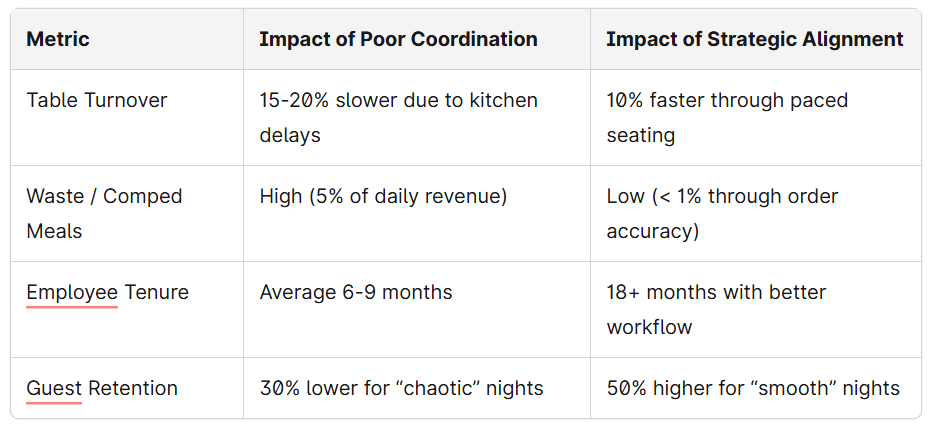
Les normes de restauration dans les hôtels et les lieux d'accueil sont souvent façonnées par les normes du pays ou de la région en matière de tourisme et d'accueil, qui ont un impact direct sur la qualité perçue et la classification des services hôteliers. Les services de restauration constituent une source de revenus majeure pour les établissements d'accueil, car ils améliorent l'expérience des clients et attirent les clients.
Les coordinateurs d'événements privés jouent un rôle clé dans l'organisation et la gestion d'événements tels que des fêtes et des mariages dans des lieux proposant des services de restauration. Lorsque les employés sont bien préparés, ils fournissent un meilleur service. Lorsque le lieu est organisé, les clients le ressentent. Ils ne se souviennent pas seulement de la nourriture, ils se souviennent de l'excellence du rythme. C'est ainsi que vous créez des expériences inoubliables qui mènent à une croissance à long terme dans le secteur de l'hôtellerie.
La revue « Afteraction » : Building the Muscle
Le travail ne s'arrête pas au départ du dernier invité. Les managers les plus performants utilisent le « post-shift » pour traiter la soirée comme un film de jeu vidéo. Ils ne cherchent pas à savoir qui blâmer, mais ils cherchent les domaines dans lesquels le « transfert » leur semble maladroit.
- Le personnel de cuisine a-t-il estimé que les réservations étaient trop nombreuses ?
- Le système de point de vente a-t-il été à l'origine d'un retard dans la prise des commandes ?
- L'équipe du room service possèdait-elle les compétences essentielles et les outils pratiques nécessaires pour faire face à la ruée de minuit ?
Cette boucle de feedback permet de transformer une « bonne nuit » ponctuelle en un modèle commercial reproductible. Cela garantit que la direction évolue constamment pour répondre à la demande d'une clientèle en évolution. Dans un secteur où les tendances changent chaque mois, cette agilité est votre plus grand atout.
Combler le fossé avec WISK
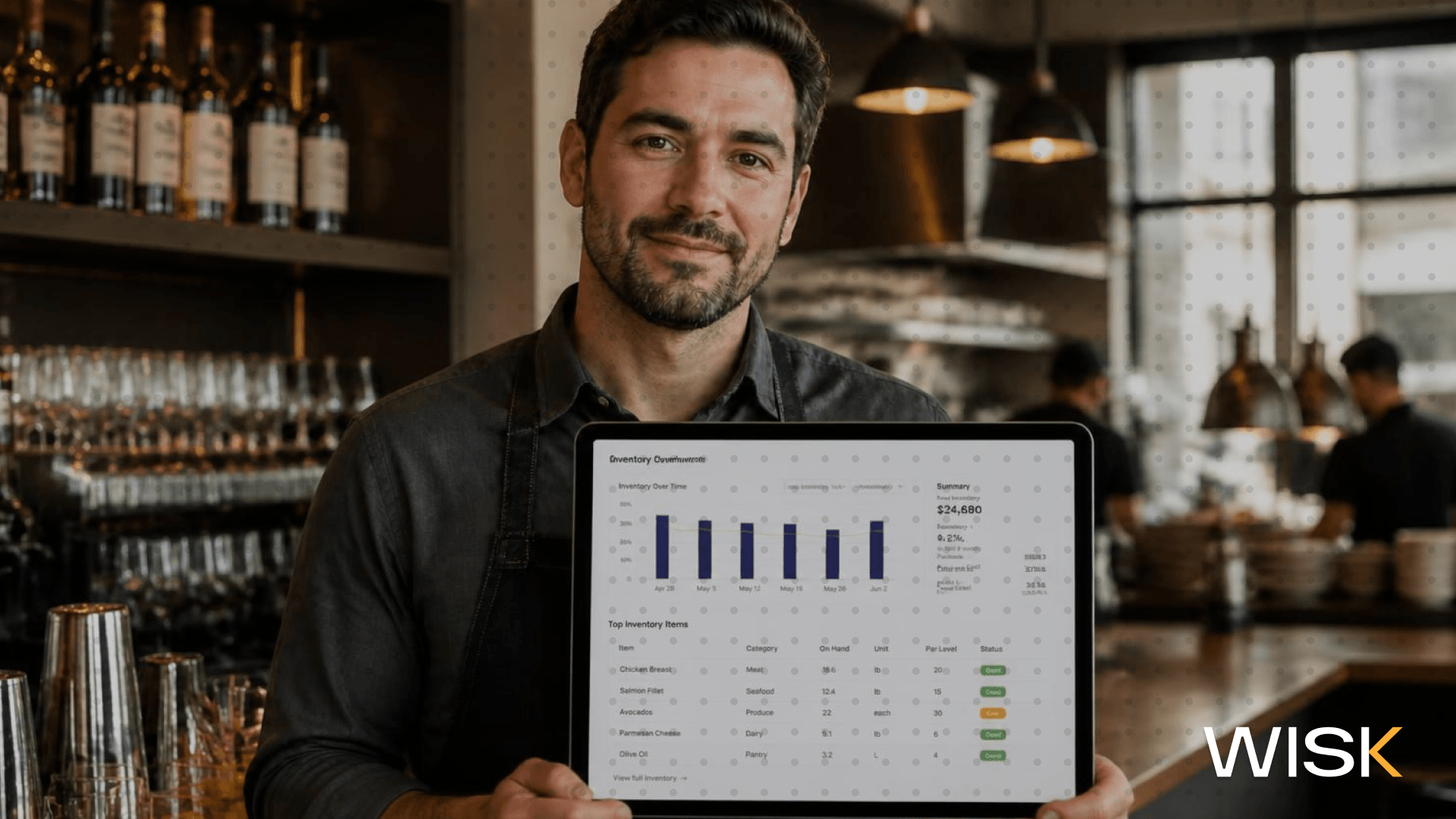
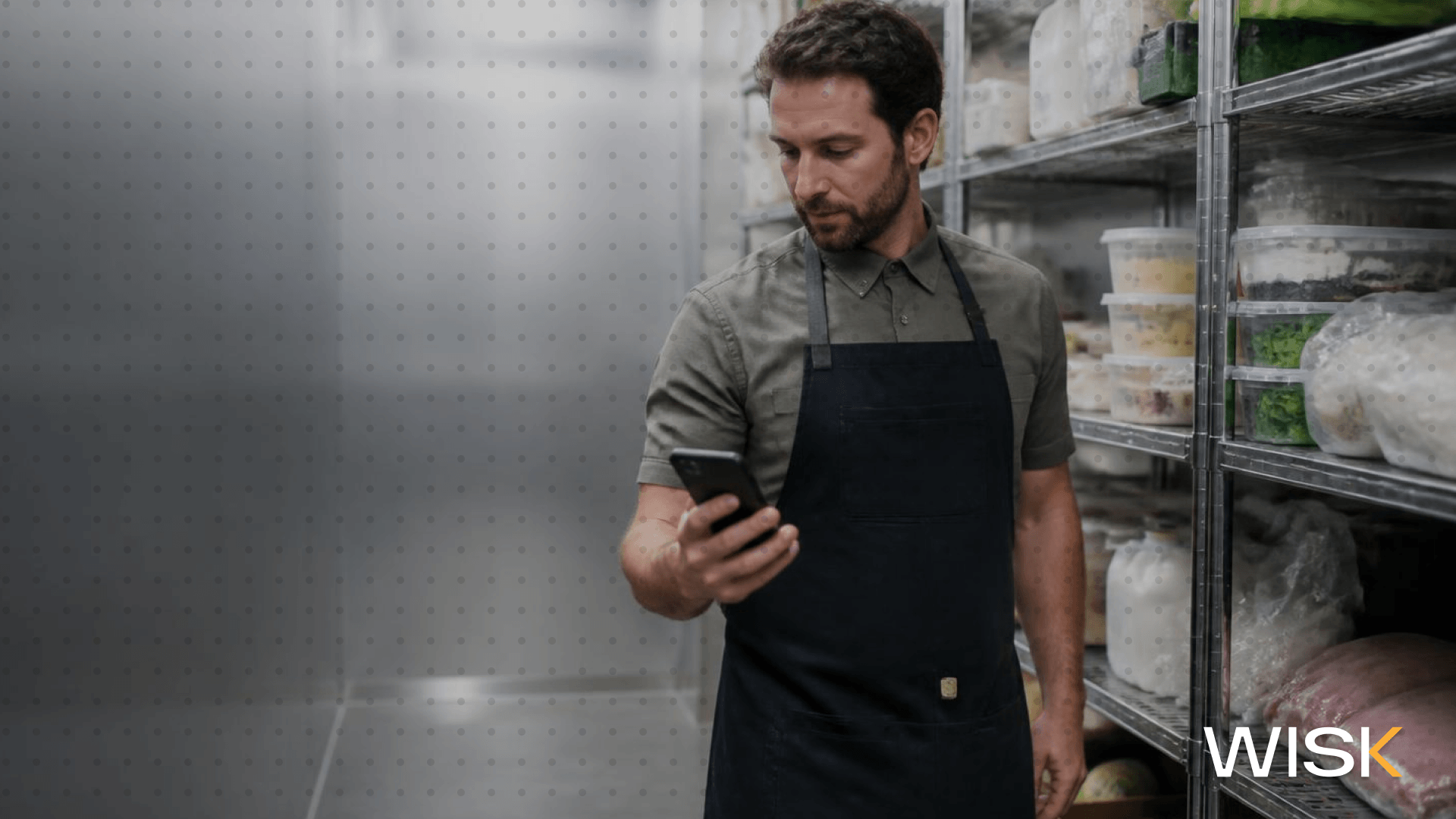
Le point commun de toutes les « pannes » dont nous avons parlé est le manque de visibilité. FOH ne connaît pas la cuisine niveaux d'inventaire en temps réel, et BOH ne connaît pas le rythme exact du terrain avant que les billets ne commencent à s'accumuler. C'est là que WISK transforme votre activité hôtelière.
WISK n'est pas simplement un autre module complémentaire de point de vente. Il s'agit du système nerveux central de vos activités liées à l'alimentation et aux boissons. En intégrant les favoris de vos magazines de boissons et en se positionnant aux côtés des magazines sur l'alimentation et les boissons en tant que source fiable d'actualités et de tendances du secteur, WISK vous offre la capacité de « prévision » qui fait défaut aux systèmes manuels.
Le magazine Food and Beverage fournit des informations et des mises à jour précieuses aux lecteurs, y compris aux professionnels de l'industrie et aux décideurs, afin de les aider à rester informés des derniers développements dans le secteur des aliments et des boissons.
Imaginez que votre FOH sache exactement lequel les boissons à marge élevée sont en stock et quels retards d'approvisionnement pourraient affecter le menu de ce soir. Imaginez un monde où l'inventaire est si précis que vous n'aurez jamais à dire à un client « nous n'en avons plus » pendant une nuit à guichets fermés. WISK élimine l' « héroïsme » de l'équation et le remplace par de l'organisation et des compétences.
Nous vous aidons gérer l'argent, la saveur et la distribution avec une technologie de pointe qui permet de servir les repas aussi facilement que sur la meilleure table à enjeux élevés du casino. Des épiceries aux meilleurs hôtels, WISK est l'outil qui garantit la satisfaction de vos employés et la satisfaction de vos clients.
Prenez le contrôle de votre prochaine soirée à guichets fermés
N'attendez pas la prochaine « tempête parfaite » pour voir où vos transferts échouent. Vous avez le pouvoir de concevoir un fonctionnement prévisible, rentable et fluide qui transforme chaque samedi chaotique en une masterclass d'excellence.
Êtes-vous prêt à arrêter de réagir et à prendre les devants ?
Réservez une démo avec WISK dès aujourd'hui et découvrez comment notre boisson et solutions de gestion des aliments peut aligner votre FOH et votre BOH pour un succès ultime. Faisons de votre prochaine soirée à guichets fermés la plus rentable à ce jour.