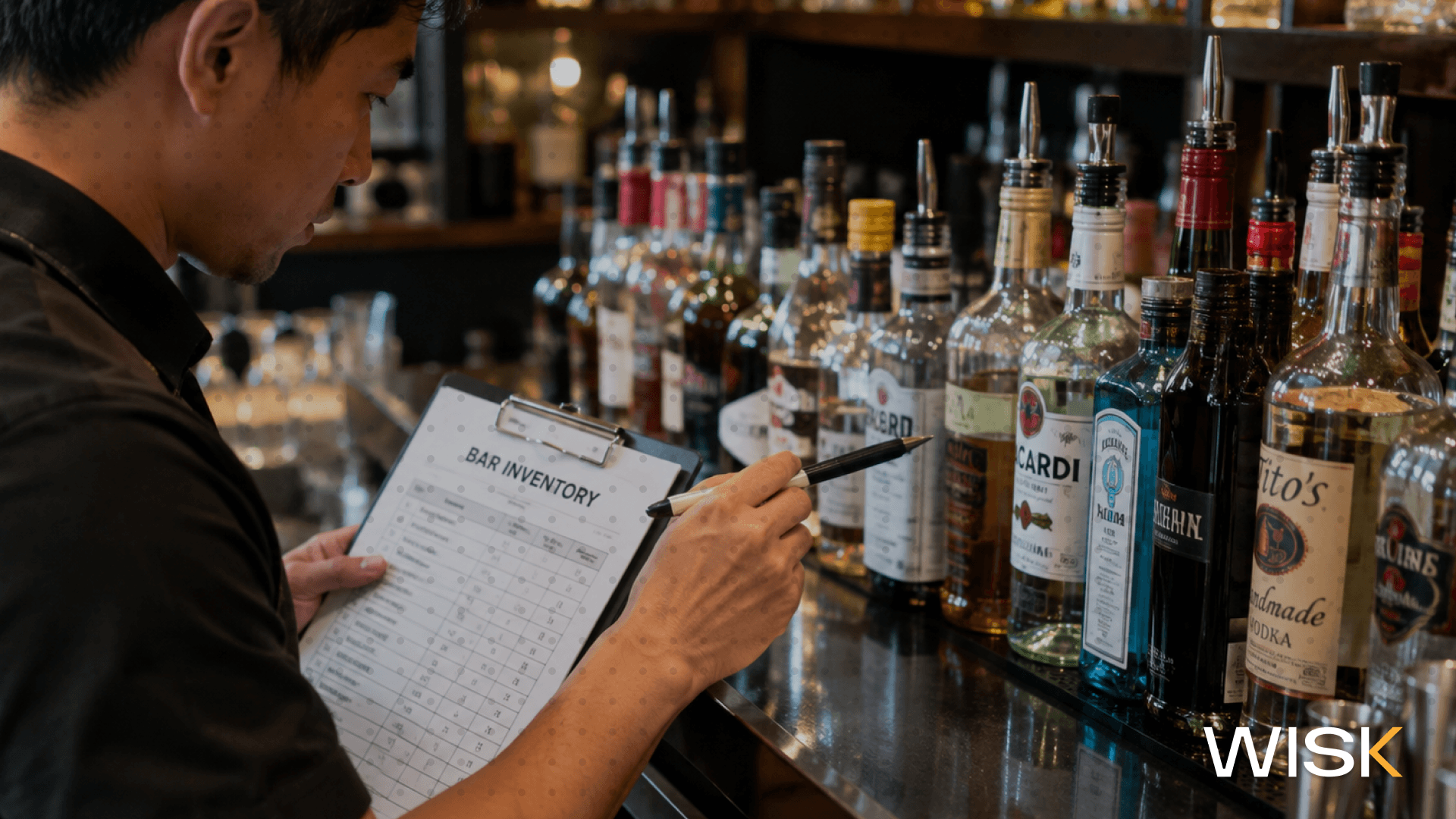
Walk into any hotel on a busy weekend and you can feel it. The lobby is humming, the bar is three deep, banquets are flipping rooms, room service tickets keep printing, and minibars are quietly disappearing floor by floor. Without the right systems in place, daily tasks like booking oversight, guest communication, and reporting can quickly become overwhelming for hotel managers.
From the outside, it looks like controlled chaos. On the inside, most teams are juggling five different spreadsheets, two POS reports, and a half-updated property management system PMS, also the cost of a PMS varies depending on your specific requirements and the features you need. Inventory moves between outlets faster than anyone can track, and beverage margins take the hit when no one has real time visibility.
This is where multi-department hotels tend to leak profit. Not because teams are careless, but because systems are siloed. Enhancing efficiency is critical for the hospitality industry, and unified systems help streamline operations, reduce errors, and improve service quality across all departments.
Let’s talk about how inventory data becomes the connective tissue between bar, kitchen, events, and minibar and why unifying it is one of the fastest ways to improve bar profit margin during peak seasons. Using the right hotel management tools can transform how you run your property by maximizing productivity and reducing manual tasks. This is especially important in the hospitality industry, where operational excellence directly impacts guest satisfaction and profitability.
The real pain of multi-outlet inventory
Hotels are not restaurants with rooms. They are complex hospitality businesses running parallel operations that all touch inventory and require careful management of guest reservations.
Bars transfer bottles to banquets. Kitchens pull wine for private dining. Minibars get stocked from the same liquor room as the lobby bar. Events over-order to avoid running dry. Front desk operations rarely see the true cost of what is being consumed on site.
Here is what operators tell us they are dealing with:
- Stock transfers logged late or not at all
- Siloed spreadsheets that never quite match the point of sale
- Manual errors during busy shifts
- No single platform that shows real time data across outlets
- Beverage cost creeping up without a clear explanation
Hospitality management software simplifies hotel operations by managing tasks like reservations, billing, and housekeeping.
When inventory data lives in multiple platforms, hotel operations suffer. Variance grows quietly. Waste increases. Guest experience becomes inconsistent from outlet to outlet.
Why busy seasons expose weak systems
High occupancy and group bookings are great for revenue, but they stress every part of the operation. Event management ramps up. Bars sell faster than counts can keep up. Room availability looks strong in the property management system, but inventory reality tells a different story. During these times, systems must be able to adapt to the business needs of each property, providing flexibility and tailored features to support unique operational challenges.
During peak seasons, teams rely more on manual tasks. Counts get skipped. Transfers happen verbally. Spreadsheets are updated days later. That is when beverage cost spikes.
According to FoodPrint, it is estimated that 4–10% of the food bought for restaurant operations is discarded prior to reaching the plate of any diner. Which is often the difference between a strong season and a disappointing one. That gap widens in hotels with multiple outlets and no single platform for inventory. Implementation time and process for new systems depend on the size and location of the property, ensuring a tailored approach.
Inventory is not just an F and B problem
Here is the mindset shift that matters. Inventory is not only a bar or kitchen issue. It is a hotel management software issue.
A modern hospitality management software stack already connects reservations, billing, guest profiles, and room availability. Inventory data deserves the same treatment. Comprehensive solutions are needed to address all aspects of hotel operations, ensuring that every function is integrated and efficient. It's also crucial to tailor these solutions to each property's unique needs, so that the system adapts to the individual characteristics and requirements of every hospitality establishment.
When inventory lives outside the broader management software ecosystem, you lose the ability to make data driven decisions across the property. Data-driven decisions offer actionable insights for smarter pricing, resource allocation, and marketing strategies.
You cannot confidently price banquet packages. You cannot understand the true cost of personalized service. You cannot align pricing strategies with actual consumption.
Central reporting beats heroic effort
Many independent hotels and even hotel groups rely on a few heroic managers to hold everything together. They know the numbers by heart. They reconcile reports late at night. They catch mistakes before audits.
That works until it does not.
Central reporting changes the game. One view. One source of truth. Real time reporting that shows what moved, where it went, and what it cost.
84 percent of hotel operators pinpoint 'enhancing the digital guest journey' and 'boosting operational performance' via analytics-based intelligence as their primary strategic focuses.
These tools can also be used to monitor and improve guest engagement, making it a key component of a comprehensive hospitality management software platform. Automated reporting features in hospitality management software help managers make informed decisions based on real-time data.
This is the difference between reacting and managing.
Stock transfers without the headache
Stock transfers are where most hotels lose visibility. A case leaves the bar. Half goes to banquets. A few bottles end up in room service. No one updates the sheet until the end of the week.
A unified inventory platform tracks transfers as they happen. Not later. Not from memory. In contrast, other systems—such as traditional property management or hotel management software—often have limitations in integration, customization, and support, which can hinder operational efficiency and scalability.
That means:
- Clear accountability between outlets
- Accurate beverage cost per department
- Fewer double bookings of inventory for events
- Real time visibility for purchasing decisions
These hospitality management software solutions also help reduce errors and improve service by centralizing reservations and automating check-ins and check-outs.
It also means your point of sale data finally aligns with reality.

Consistency drives guest satisfaction
Guests notice when things feel off. A cocktail tastes different at the pool bar than in the lobby. Minibar prices feel arbitrary. A wine listed at an event is suddenly unavailable.
These small inconsistencies chip away at guest satisfaction and service quality. Maintaining high standards in guest services is essential to ensure a positive impression and loyalty.
Hospitality management software is designed to improve guest satisfaction and enhance guest experiences through consistency and personalization. Inventory data supports that promise.
When teams have access to accurate guest data, guest profiles, and consumption patterns, they can deliver more personalized service without guesswork.
Customer relationship management (CRM) tracks guest preferences to deliver hyper-personalized service.
Research from Deloitte shows that consistent experiences across touchpoints increase guest satisfaction and drive positive reviews, which directly impacts direct bookings and repeat stays.
The hidden cost of manual work on operational efficiency
Manual tasks feel harmless. A quick spreadsheet. A note on the clipboard. An end of shift count.
Over time, they cost countless hours.
Industry data shows that automation in hotel operations can reduce front desk workloads by up to 50 percent and save staff hours every day. That same principle applies to inventory management.
Less manual entry means fewer manual errors. Fewer errors mean tighter variance control. Tighter control means lower overhead costs.
How modern platforms achieve seamless integration
The best hotel management software does not try to do everything. It connects everything.
Property management system PMS platforms handle reservations, billing, and guest management. Channel manager tools manage online booking and room availability across OTAs. Booking engine tools support direct bookings. Direct booking engines enable commission-free reservations on a hotel's own website. Point of sale systems track sales on site.
Inventory needs to integrate seamlessly with all of them.
Modern hospitality management software relies on real time data synchronization and integration capabilities. That is how you avoid double bookings, pricing mismatches, and disconnected reporting. Hospitality brands are leveraging cloud-native platforms to boost revenue and adapt to industry changes, ensuring they stay competitive and enhance guest experiences.
According to analysis by Coherent Market Insights, the global hotel management software market is projected to grow from $5.28 billion in 2025 to $9.41 billion by 2032, as hotels pivot toward unified digital ecosystems.
Further, data from SiteMinder reveals the financial impact of this shift: hotels using sophisticated direct booking tools see a 60% higher value per reservation compared to third-party channels, as direct guests typically stay longer and spend more on-site.
Front desk operations: the missing link in inventory integration
Front desk operations are the heartbeat of any hotel, serving as the first and last point of contact for guests and orchestrating the flow of daily operations. Efficient front desk operations are essential for delivering exceptional guest experiences, managing reservations seamlessly, and ensuring that every department—from housekeeping to F&B—stays in sync.
The best hotel management software recognizes the pivotal role of the front desk and equips staff with robust features designed to streamline every aspect of guest management.
A modern property management system (PMS) offers a user-friendly interface that automates check-in and check-out, provides real-time room availability, and enables personalized guest communications. This not only reduces manual tasks and errors but also enhances service quality and guest satisfaction.
Seamless integration between the front desk, point of sale, channel manager, and inventory systems is crucial for operational efficiency. Real-time data synchronization ensures that guest data, room status, and special requests are always up to date, eliminating double bookings and miscommunications.
For independent hotels and hotel chains alike, this level of integration supports efficient management and allows staff to focus on delivering personalized service.
Advanced management software also empowers hotels to optimize revenue through dynamic pricing and sophisticated revenue management tools. By adjusting room rates in real time based on demand and occupancy, hotels can maximize revenue and optimize occupancy. Group bookings and pricing strategies become easier to manage, ensuring that business opportunities are captured without sacrificing guest experience.
What hotels actually need from inventory tech and a property management system
Operators are not asking for flashy dashboards. They want clarity.
They want:
- Real time visibility across bar, kitchen, minibar, and events
- A user friendly interface staff can learn quickly
- Seamless integration with existing systems
- Central reporting that supports revenue management
- Tools that scale as the property grows
Whether you run a boutique hotel or manage hotel chains, the needs are the same. Fewer blind spots. Better decisions.
Learning from the wider tech stack
Based on G2 Data, 84% of users highlight the way unified reporting and analytics features deliver key insights on revenue, room utilization, and guest patterns.
In selecting hospitality management solutions, assess their features, user-friendliness, and compatibility with current infrastructure. Modern platforms should offer comprehensive solutions that address all aspects of hotel operations and adapt to changing guest expectations by leveraging data, AI, and technology to deliver personalized and memorable experiences.
Platforms like Cloudbeds and WISK have set expectations for what modern management software should feel like.
Cloudbeds is widely recognized for its user-friendly interface and modern design, making it simple to manage reservations, guest profiles, and room availability from a single platform. Cloudbeds connects directly to 300+ OTAs, wholesalers, and regional channels, allowing hotels to control how and where they sell.
Many users highlight the extensive library of courses offered by Cloudbeds, which helps them get up to speed quickly. Users also appreciate how Cloudbeds integrates seamlessly with popular OTAs like Booking.com, Expedia, and Airbnb, ensuring room availability remains consistent across channels. WISK is praised for its customizable reporting that gives operators deeper insight into performance.
RoomRaccoon is praised for its automated upsell offers, which help generate additional revenue with minimal effort. Users have shared that RoomRaccoon's dynamic pricing helps hotels stay competitive and optimize their revenue.
You can read more about how integrated hotel platforms improve operations in this overview from Cloudbeds.
What these platforms prove is simple. Centralized systems outperform fragmented ones.
Where WISK fits in
Top-tier hotel management systems provide advantages to a wide array of establishments, spanning modest boutique inns and bed-and-breakfasts to expansive upscale resorts and extensive hospitality networks.
This is where WISK steps in for hotels running complex food and beverage operations.
WISK is not trying to replace your property management system or your channel manager. It complements them by owning inventory data across outlets.
WISK gives hotels a single platform for bar, kitchen, minibar, and event inventory. Stock transfers are tracked in real time. Variance is visible immediately. Beverage cost is measured by outlet, not guessed.
For busy seasons, this matters. When demand spikes, WISK helps teams maintain operational efficiency without adding manual work. Managers get real time reporting. Teams stay aligned. Guests get a consistent experience.
It's crucial to verify that the system can expand alongside the property's development and provide tailoring features to address unique requirements.
Hotels using data driven inventory management consistently report reduced waste, tighter variance control, and improved margins during peak periods.
You can explore how real time inventory management supports smarter hotel operations in this analysis from Hospitality Net.
Inventory as a revenue lever
Better inventory control is not about restriction. It is about opportunity.
When you understand true beverage cost, you can refine pricing strategies. You can design event packages that protect margin. You can support personalized service without inflating costs.
According to McKinsey research on data driven operations, companies that use real time data to guide decisions are more likely to increase revenue and improve efficiency at the same time. You can read their findings here: McKinsey.
A smarter way forward
Hotels already invest heavily in hotel management software to improve guest experience, streamline operations, and increase revenue. Inventory deserves the same strategic attention.
If your bar, kitchen, minibar, and events team are still operating in silos, the problem is not effort. It is visibility.
WISK helps unify inventory across departments so hotel teams can focus on what they do best. Deliver exceptional guest experiences, protect margins, and run a tighter operation during the moments that matter most.
If you are looking for a single platform that brings clarity to multi-department inventory, WISK is built for that reality.
The next busy season is coming. The question is whether your inventory systems are ready for it.