 -> All episodes <-
February 23, 2026
Por qué más de 3000 restaurantes confían en Cluster POS con David Lafleur
POS en clúster: David Lafleur explica cómo seleccionar, fijar el precio e implementar un POS que ahorre dinero y estabilice las operaciones.


.png)

Show notes
En este episodio, Angelo Esposito entrevista a David LaFleur, vicepresidente sénior de Cluster POS, sobre su trayectoria en los sectores de la hostelería y la tecnología. Exploran la evolución de los sistemas POS, la importancia de elegir la tecnología adecuada para los restaurantes y los obstáculos más comunes que se deben evitar.
David comparte sus ideas sobre el futuro de la tecnología POS y hace hincapié en la necesidad de sistemas fáciles de usar que capaciten a los propietarios de restaurantes y, al mismo tiempo, integren soluciones modernas como la IA.
La conversación destaca la naturaleza dinámica de la industria de los restaurantes y el papel fundamental que desempeña la tecnología en su éxito.
Para llevar
- Cluster POS ha evolucionado significativamente en los últimos dos años.
- La trayectoria de David LaFleur en el sector de la hostelería comenzó con el soporte de TI para restaurantes.
- La elección del POS correcto requiere comprender sus necesidades específicas.
- El precio no debería ser el único factor a la hora de seleccionar un sistema POS.
- Las referencias deben provenir de modelos de negocio similares para garantizar su relevancia.
- La IA está diseñada para mejorar la eficiencia en la industria de los restaurantes.
- La industria de los restaurantes ha experimentado rápidos cambios tecnológicos en la última década.
- Cluster POS tiene como objetivo simplificar la incorporación y la experiencia del usuario.
- Los futuros sistemas POS integrarán más funciones con menos dependencia de soluciones de terceros.
- La gestión del flujo de caja es crucial para el éxito de los restaurantes.
Marcas de tiempo
00:00 Inicio de una carrera en TI
07:04 Trayectoria profesional en la industria de POS
09:32 Consejos de punto de venta para propietarios de restaurantes
11:12 «Conceptos básicos de POS: concéntrese en lo esencial»
14:57 «Priorizar la alineación honesta con los clientes»
17:50 «Precio frente a costo en tecnología»
22:17 «Perspectivas sobre el papel del clúster»
24:18 «La generación conocedora de la tecnología impulsa la innovación»
28:30 «Década de transformación industrial»
31:41 «Revolución de financiación instantánea para restaurantes»
34:53 «WisKing con Cluster POS»
Recursos
Haga clic aquí para seguir a David LaFleur en su LinkedIn
Obtenga más información sobre Cluster POS
Transcript
David Lafleur [00:00:00]:
Y, obviamente, uno de los cambios, y esto es más técnico, aunque los restaurantes no lo sepan realmente, es la mayoría de las órdenes de compra en este momento y cada vez más en 2030. Yo diría que la mayoría de los PoS se ejecutarán pronto en Android porque Android es una plataforma más abierta. Es más fácil para los desarrolladores trabajar con ella en comparación con una plataforma de Apple.
Angelo Esposito [00:00:35]:
Bienvenido a otro episodio de WisKing It All. Hoy nos acompaña un viejo amigo de la industria. Sigo siendo un amigo, pero, quiero decir, lo conozco desde hace tiempo, David LaFleur. De hecho, es el vicepresidente sénior de Cluster POS. Creo que nos conocemos desde hace una década. Pero David, gracias por unirte al programa.
David Lafleur [00:00:55]:
Gracias a ti, Angelo. Llevo mucho tiempo queriendo hacer esto y creo que debería haberse hecho hace mucho tiempo.
Angelo Esposito [00:01:03]:
Impresionante. Sé que es increíble tenerte aquí. Sabes, nos conocimos durante. Solo para la gente que escucha. De hecho, nos conocimos cuando. Prácticamente cuando empecé Wisk y David era un veterano en el espacio. En el espacio de puntos de venta y en el espacio de restaurantes.
Angelo Esposito [00:01:15]:
Así que seguro que entraremos en su historia. Pero es genial volver a conectar. Entonces, ¿por qué no empezamos? Siempre me gusta empezar con lo que estás haciendo hoy y profundizaremos más. Pero hablemos rápidamente sobre qué es un clúster para que la gente lo pueda entender. Y luego quiero profundizar en tu historia. Entonces, empecemos por ahí. ¿Puedes decirle a la gente que escucha qué es un clúster?
David Lafleur [00:01:35]:
Pos so Cluster POS es primero un POS de restaurante que se fundó hace unos 15 años.
David Lafleur [00:01:45]:
Yo diría que hemos experimentado cambios significativos en los últimos 24 a 36 meses. Nos centramos principalmente en el mercado canadiense, pero también tenemos una buena, ya sabes, una presencia inicial en EE. UU. En esta fecha, yo diría que Cluster tiene cerca de 3000 comerciantes en Canadá y EE. UU., y en su mayoría cerca de 2000 comerciantes en Quebec. Así que ahora somos el segundo punto de venta de Quebec en cuanto a restaurantes se refiere. Sí, exactamente. Así que estamos muy, muy orgullosos de ello. Y me uní al clúster en marzo de 2024.
Angelo Esposito [00:02:28]:
Eso es impresionante. Está bien. Y profundizaremos más en las características específicas del clúster y, ya sabes, en qué los hace diferentes. Qué divertido, Stu, pero siempre tengo curiosidad por entender, ya sabes, qué fue lo que llevó a la gente a la hostelería en primer lugar. ¿Verdad?. Es un espacio loco. Es divertido. Me encanta.
Angelo Esposito [00:02:44]:
Pero siempre me gusta entender la historia de las personas. Entonces, ¿por qué no regresamos? ¿Qué fue lo que te llevó a la hospitalidad en primer lugar?
David Lafleur [00:02:52]:
Es una historia muy buena. Empecé mi carrera en TI, hace ya más de 20 años, y empecé en una pequeña tienda boutique donde la gente todavía estaba fabricando sus ordenadores y yo vendía DC y dando soporte a la gente, y ya sabes, no había acceso remoto en aquella época y había que ir a todos los sitios comerciales para solucionar sus problemas. Así que un día recibí una llamada de Restaurant Express, que es una institución famosa en Montreal, ya sabes, restaurantes Milestone con 40 años de antigüedad. Y sí, cuando tenía 19 años, creo que tenía 19 o 20 años en ese momento. No sabía lo que era en Lex Press, este es un lugar muy extraño. Así que entro en ese lugar. Nos conectamos muy bien y ya sabes, yo estaba manteniendo su ordenador, cuidando sus equipos y, en algún momento, ya sabes, después de un año o dicen, ya sabes, David, ese, ese, ese sistema POS, ya sabes, se llama MIT. ¿Crees que puedes ayudarnos con eso? Y digo: Oh, ya sabes, yo era joven en ese momento, era un niño.
David Lafleur [00:03:57]:
Estoy como: Ah, muy fácil. Como si no hubiera problema, lo haré. Y luego todo empezó con eso. Así que empecé a ayudarlos, y entonces había un tipo llamado Nicholas, con el que trabajaba.
David Lafleur [00:04:12]:
Una empresa llamada POS 2000 y él empezó a enseñarme sobre maitre d y eso es todo. Y luego es una historia de 20 años después. Hubo muchas cosas y podemos hablar de ellas, pero todo empezó con Express y, hasta el día de hoy, Express me sigue siendo muy leal. Voy allí, hablamos, soy amigo de allí. Estoy. Realmente soy parte de su familia. Así que.
Angelo Esposito [00:04:37]:
No, eso es impresionante.
David Lafleur [00:04:37]:
Sí.
Angelo Esposito [00:04:38]:
Y sí, para la gente que aún no lo sabe, definitivamente es una institución en Montreal y la gente lo sabe. La gente que viene a Montreal como está, a menudo está en su lista de restaurantes a los que tienen que ir. Así que eso es bastante bueno. Me encantaría analizar tu cerebro.
Angelo Esposito [00:04:56]:
Tu, tu viaje. ¿Verdad?. Así que empezaste, ya sabes, simplificándolo, incursionando en Metro D. ¿Qué pasó después en cuanto a tu carrera? Porque sabes que cuando te conocí creo que estabas en Villas justo en ese momento.
David Lafleur [00:05:10]:
Sí, correcto. Básicamente, lo que pasó es que, ya sabes, Lexpress, le dieron mi nombre a otra fama. Buenos, buenos restaurantes como Holder y en esa época era Café de Nouveau Mond y decían: «Oh, David puede encargarse de tus cosas». Así que todo empezó así. Así que empecé a ocuparme de todos ellos. El sistema existente, su nueva apertura, abrieron un nuevo restaurante en ese momento. Y luego mi nombre empezó a difundirse por la ciudad. En ese momento estaba revendiendo maitre d y comprándole mi licencia a alguien.
David Lafleur [00:05:44]:
Y luego, rápidamente, lo que pasó es que yo.
David Lafleur [00:05:49]:
Lo había. Yo. Hace un par de años que lo hago y en algún momento decidí ir a comprar el mío propio. Así fue como conocí a la gente de Velos, me involucré con ellos y trabajé para Velos como distribuidor durante un par de años. Y en algún momento dicen: ¿por qué no, ya sabes, te unes a nosotros y... Y forme parte del negocio y gestione el tamaño empresarial de Velos. Y ya sabes, teníamos un acuerdo en vigor y... Y luego nosotros.
David Lafleur [00:06:16]:
En 2017 decidí unirme a ellos y dirigir todo eso. Esto estaba relacionado con la expansión de las ventas de Velos y eso incluía pasar de ser una base de suscripciones de software para nosotros a una base de suscripciones de software en 2017. Así pues, Velos fue uno de los principales actores que inició la tendencia a la velocidad de la luz en Quebec de adoptar el SaaS por completo. Y lo hicimos y tuvimos mucho éxito con ello. Y luego terminamos vendiendo Velos en 2020 para ser un hecho.
David Lafleur [00:06:53]:
Y luego me quedé allí casi años y luego, ya sabes, en algún momento.
Angelo Esposito [00:06:57]:
Y pay facto también es propietario.
Angelo Esposito [00:07:02]:
Sí, solo. Solo para conectar los puntos de la gente que va.
David Lafleur [00:07:04]:
Exactamente. Así que sí, está bien. Así que ahora Pfacto también era dueño de Metri. Hicimos la transacción, creo que casi al mismo tiempo, y luego nos quedamos cuatro años allí. En un momento dado, Coster vio que estaba disponible en el mercado y me preguntaron: oye, ¿puedes venir y dirigir el negocio? Y dije que sí, que sería una gran oportunidad. Y yo soy. Hasta ahora, ha sido una historia increíble con Cluster. Hemos crecido mucho y todo va muy bien y tengo mucho que ofrecer. Ya sabes, he hecho de todo en el ámbito de los puntos de venta, ya sabes, programar, instalar, capacitar, más allá del cableado lateral.
David Lafleur [00:07:44]:
Como si hubiera algo que no haya hecho.
David Lafleur [00:07:48]:
Así que aquí tengo todas las herramientas para dirigir la empresa y es algo que hago muy bien. Sí.
Angelo Esposito [00:07:52]:
Así que eso es impresionante. Y mira, como que acabas de mencionarlo ahora, pero estás atravesando, ya sabes, grandes transiciones, nuevas tecnologías. Piensas en los puntos de venta de hace 20 años hasta hoy, en las adquisiciones de empresas, en la evolución de las necesidades de los clientes. Y sabemos cómo es eso. ¿Cuál ha sido tu razón por la que sabes a pesar de todo eso, cuál ha sido tu, tu motivación o tu razonamiento, la razón por la que eres tan apasionada?
David Lafleur [00:08:16]:
Creo que son las personas de la industria las que me apasionan mucho. Para las personas que trabajan en hospitales como tú y yo, creo que vemos la pasión en las personas. Es una industria loca.
David Lafleur [00:08:30]:
Y no es una industria divertida porque creamos instituciones con el comerciante. Hay apertura, cierre, mucha acción. Tú y yo pasamos por Covid con esa industria, que no fue fácil y hubo mucha transición, la nueva tecnología también, ya sabes, llegó al mercado y es, es una industria de ritmo rápido. Y creo que por eso, por eso sigo ahí. Y ya sabes, es una historia divertida que vuelve a expresar lo que dije al principio. Así que cuando terminé de hablar, quizás estaba pensando en, ya sabes, quizás debería hacer otra cosa. Ya sabes, soy un tipo que aprendió mucho por sí mismo. Lo enseñé mucho yo mismo.
David Lafleur [00:09:14]:
Y dije: «Oh, tal vez cambie de profesión». Y un día estaba con Mario Aliexpress y me dijo: David, mira, eres muy bueno en lo que haces. No sé por qué quieres reinventarte. Como si fueras muy, muy buena y deberías seguir con esto. Y yo digo: ¿sabes qué, Mario? Probablemente eres un genio. Luego lo meto, lo meto en la industria de los puntos de venta.
Angelo Esposito [00:09:32]:
Así que eso es impresionante. Es un buen consejo. Y ya sabes, para nuestros oyentes, tenemos muchos propietarios de restaurantes, gerentes y propietarios de bares que escuchan. Por eso, parte del objetivo de WisKing it all es compartir los viajes y experiencias de las personas, ya sabes, los altibajos y las lecciones. Me encantaría, ya sabes, estoy seguro de que una pregunta que tengo que hacer porque la gente me va a matar si no lo hago, es que quiero algunos de tus consejos cuando se trata de publicaciones porque tenemos gente escuchando y que podría estar pensando: ¿qué debo tener en cuenta cuando elijo una publicación? ¿Cómo sé si debo cambiar una publicación? ¿Qué es lo que hace que una publicación sea buena? Así que quiero profundizar un poco en esas preguntas. Así que especialmente de alguien con más de 20 años de experiencia. Así que desde tu punto de vista, quizás empecemos desde arriba. ¿Qué consejo puedes dar? Y podemos ir más allá, pero a un nivel más alto.
Angelo Esposito [00:10:17]:
¿Qué consejo le puedes dar a alguien que diga: ¿cómo elijo la posición correcta?
David Lafleur [00:10:22]:
Creo que se trata de lo que realmente necesitas. Creo que el restaurante tiene que hacer sus deberes y no solo mirar a la superficie, sino también hacer su debida diligencia. ¿Quiénes son los clientes de POS? ¿Qué han logrado? ¿Es una empresa estable? ¿Son nuevos en el mercado? ¿Cuál es su trayectoria comprobada? Creo que todo esto es una pregunta legítima. Y también pregúntale a las personas que te rodean, ¿qué usas? ¿Está satisfecho con el sistema? Últimamente mucha gente me preguntaba: «Oh, ¿cuál es tu gran diferencia con los otros puestos?» Mira, el primer punto de venta al principio empezó a ser una gran calculadora. Lo hago muy sencillo. Es una calculadora grande. La industria de puntos de venta evolucionó. Al igual que en la industria, agregamos más funciones, es más profunda.
David Lafleur [00:11:12]:
Tenemos una buena integración con WISK y otras plataformas, pero realmente evolucionó. Pero al final del día, el objetivo principal del POS es hacer que tu cliente pague, emitir la factura y elaborar tus informes. Ese es el objetivo principal. Así que les diré a mis clientes que tienen que empezar por lo básico y no tratar de resolver todos los problemas que desean en sus restaurantes. Porque he visto que demasiados clientes a lo largo de mi vida querían de todo, desde inventario, desde aquí, desde aquí. Y luego, sí, al final del día, lo estaban. Nunca funciona porque es demasiada información. Debes recordar que están abriendo tus restaurantes, tienen muchas cosas en mente.
David Lafleur [00:11:54]:
Tienen que pedir el, ya sabes, el. Todas las cosas para la cocina, buena distribuidora de comida. Están pasando muchas cosas. Si intentas hacer algo, todo al mismo tiempo, nunca va a funcionar. Así que les aconsejo que se tomen el tiempo y se aseguren de que tienen todo lo que necesitan. Al menos lo básico que le permitirá operar desde el primer día. Y luego me comprometería después de eso. Cuando todo está, está en su lugar, es sólido, estás feliz, entonces logras la integración, ¿verdad?
Angelo Esposito [00:12:21]:
Así que, sí, me encanta ese consejo. Me recuerda a la cita o al refrán que dice que, ya sabes, a veces la perfección es procrastinar. Ya sabes, procrastinación. Maestro, maestro, sea lo que sea. Pero básicamente la idea, a veces la ilusión, es como: vale, necesito esto, y bueno, necesito un sistema de fidelización. Necesito esto. Y en realidad, es solo un disfraz de que estás postergando las cosas y no existe la perfección. Y en eso estoy de acuerdo contigo.
Angelo Esposito [00:12:48]:
He visto ese error. Para que la gente que escucha no cometa ese error. Encuentre el sistema correcto. Pero no necesitas todo lo que quieren. Por supuesto que quieres pensar en el futuro. Pero aunque nos arriesguemos, curiosamente, a veces cuando tenemos nuevos clientes que abren en dos meses, incluso les decimos: escucha, encuentra primero tu punto de venta. Consigue tu licencia de Laker, como poner las cosas en orden porque, a veces, incluso les decimos que puede que ni siquiera estés seguro de que lo mejor es que hagas el inventario desde el primer día. Pero sabemos que es posible que mucha gente no lo haga hasta dentro de un par de meses porque sabemos que la realidad es que estás abierto.
Angelo Esposito [00:13:20]:
¿Qué te preocupa cuando abres? Que puedes recaudar dinero de los clientes y que tienes personal normalmente después de tres meses, entonces les importa, ya sabes.
David Lafleur [00:13:29]:
Sí. Y creo, creo que si volvemos a mi consejo, no estoy diciendo que no necesites hacer todas esas cosas. Lo que quiero decir es que hay que asegurarse de que el punto de venta pueda hacer las cosas que quieres en el futuro, pero por ahora céntrate en lo que tienes que hacer desde el principio. Sí, puedes planificar el futuro, pero no pongas demasiado en tus hombros porque muchas veces he visto muchos fracasos en la gente. Ya sabes, incluso eso crea una frustración innecesaria porque están intentando hacer demasiadas cosas a la primera.
Angelo Esposito [00:14:03]:
Sí, tiene sentido. Otro punto que mencionaste, que quería explicar con más detalle porque es un buen argumento, pero es algo que he visto y tengo curiosidad por saber tu opinión, es que a veces la gente pide referencias, pero me gusta añadir algo. Preguntar no solo a amigos de la industria es porque eso es útil. ¿Qué opinas del clúster? ¿Qué opinas de este punto de venta que es útil? Pero también veo negocios similares. Si soy un restaurante de servicio completo, no vaya. Pregúntale a una cafetería. Si soy un club nocturno, ya sabes, no vayas.
Angelo Esposito [00:14:32]:
Y he visto que ocurre ese error en el que a veces la gente pide la opinión de alguien sobre una publicación, pero es un modelo de negocio totalmente diferente. Ya sabes, ofrecéis servicio completo, buena comida, vendéis vino y alcohol y lo que sea. Y luego le pides consejo a alguien, alguien que tiene una cafetería. ¿Verdad?. Así que tengo curiosidad por saber tu opinión cuando se trata de.
Angelo Esposito [00:14:53]:
Referencias. ¿Qué consejos puedes dar a las personas cuando hablan con amigos de la industria?
David Lafleur [00:14:57]:
Yo, yo, estoy muy de acuerdo contigo porque históricamente e incluso ahora, prefiero decirle a un cliente que no somos una buena opción para él y que tal vez lo seamos en el futuro que dejarme engañar. Por eso siempre le digo a mi equipo de ventas que se asegure de que tenemos argumentos comerciales y ellos dicen que dar es un tipo de negocio similar. Y sabes qué, tienes toda la razón porque una pizzería es muy, muy diferente a un servicio de mesa completo, rápido o informal. Porque hay muchos tecnicismos ahí.
Angelo Esposito [00:15:34]:
Sí.
David Lafleur [00:15:35]:
Por ejemplo, digamos que nos referimos a las pizzerías. Entonces, ya sabes, les pediríamos que fueran a ver esas pizzerías. Ya lo hemos hecho. Vea si esto puede estar bien para usted y le queda bien. Y si la respuesta es afirmativa, pasaremos a la siguiente fase e interactuaremos más con el comerciante.
Angelo Esposito [00:15:55]:
Eso tiene sentido. Y lo que sabes es que tenemos que ir por este camino. Creo que es muy útil para nuestros oyentes. ¿Qué otros tipos de errores comunes hay? Verás, creo que allí nombramos dos buenos. ¿Hay otras cosas?
David Lafleur [00:16:05]:
Precio.
Angelo Esposito [00:16:06]:
Vale, cuéntame más.
David Lafleur [00:16:07]:
La gente ve un precio barato, un precio atractivo. La gente cree que es el acero y que va a funcionar. Demasiado tiempo. He visto a un cliente tomar la decisión correcta basándose en el precio. Oh, tengo una buena oferta. Firmaremos aquí. Si nos fijamos en la propuesta de valor, ¿qué ofrecen? ¿Verdad?. Demasiado.
David Lafleur [00:16:29]:
Tengo muchos ejemplos en mente. Pero entiendo, y seguro que tú también lo entiendes, Angelo, que sabes que cada restaurante se ajusta a su presupuesto.
Angelo Esposito [00:16:39]:
Sí.
David Lafleur [00:16:39]:
Lo que estaban dispuestos a gastar mensualmente. Todos estamos de acuerdo en eso. Hay muchos costos, pero también hay que tener en cuenta. ¿Verdad?. Demasiado tiempo. Un cliente me dijo: Oh, no recibo su apoyo. Sí, pero ¿cuánto pagas? Oh, pago 29 dólares al mes. ¿Cómo crees que el tipo puede permitirse mantener a la gente y dar un servicio las 24 horas si solo pagas 49?
David Lafleur [00:16:59]:
Correcto.
Angelo Esposito [00:16:59]:
Sí. Pagas un dólar al día.
David Lafleur [00:17:04]:
Por eso dije que cuando uno hace su diligencia limitada, debida, tiene que ser consciente de todo esto y asegurarse de que lo pone todo. Y creo que ya sabes, aunque nos fijemos en el, ya sabes, punto de venta más grande del mundo, que es tostado. Hace dos semanas anunciaron que iban a adaptar su precio a los comercios más pequeños, ¿porque son qué?
Angelo Esposito [00:17:24]:
¿Qué son?
David Lafleur [00:17:25]:
Se están adaptando al precio de los comerciantes más pequeños porque hay un límite para, ya sabes, ser muy caros, efectivos en el precio y demasiado baratos. Así que tienes que tener eso en cuenta. Es lo mismo que cuando compras un auto. ¿Verdad?.
Angelo Esposito [00:17:41]:
Así que sí. Sí, sí.
David Lafleur [00:17:42]:
Así que no puedes esperar comprar un Ford y conseguir lo que hace un Tesla, ¿verdad? Así que es, es un equilibrio, ¿verdad? Así que.
Angelo Esposito [00:17:50]:
No, es justo. Es justo. Y creo que ese punto de la propuesta de valor es un buen argumento porque mucha gente piensa en el precio, pero en la pregunta de cuánto es como el costo, ¿verdad? Si es así, ¿cuál es el costo si tienes el sistema incorrecto? Claro, el precio es de 49 dólares al mes, pero ¿cuánto cuesta si no puedes dividir la factura? ¿Y cuánto cuesta si la impresora no funciona? Ya sabes, hay un coste real. Así que a veces la gente solo mira el precio. Pero bueno, ¿cuál es el costo? Otra cosa importante sobre la que tengo curiosidad por saber tu opinión, ¿verdad? Más de 20 años en este espacio. ¿Sabes qué? De adentro hacia afuera, siento mucha simpatía, digamos, por los restauradores en lo que respecta a la tecnología, porque ahora están como inundados. Hay tanta tecnología que es difícil elegir. En lo que respecta al punto de venta, ya sabes, es decir, mi espacio también, pero cada espacio de software es, ya sabes, bastante ocupado.
Angelo Esposito [00:18:40]:
Pero si nos centramos en los puntos de venta, ¿qué consejo nos puede dar en términos de reuniones con puntos de venta? Porque sí, quieres que te asesoren, sí, quizás te recomienden. Pero, ¿cómo empiezas a crear esa lista inicial? Porque hay muchas órdenes de compra, ¿verdad? Y todas son reales, ya sabes, hay 100 opciones y sí, están las más populares, pero hay muchísimas opciones. Así que cuando alguien quiere empezar su viaje, puede ir de cuadrado a tostado, a micros, a esto, a aquello, a racimo, a Velas, a mí, ¿verdad? A la velocidad de la luz, ¿qué opinas? ¿Cómo lo reducen? Porque alguien no puede hacer 50 demos, ¿verdad? Podrían reservar cinco demos. ¿Cómo recomendarías a alguien que construya esa lista corta?
David Lafleur [00:19:20]:
Te daré un ejemplo rápido. Como la mayoría de las personas que trabajan en restaurantes, caminan hasta otros restaurantes. Así que, ya ves quién está por aquí, ¿verdad? Así que probablemente empezaría con eso. Estás en un barrio. Oh, veo un racimo aquí. Veo un Velos. Ya veo. Oh, oh, tal vez Así que empezaría con eso.
David Lafleur [00:19:38]:
Sí, creo que es un muy buen punto de decisión. Pero para ser honestos, como la mayoría de las personas que abren nuestros restaurantes, especialmente. Y yo, y yo, podría entender mejor tu pregunta en términos del mercado estadounidense, pero por ejemplo, porque hay muchas más opciones para los jugadores, ¿verdad? ¿Sí?. Y en Canadá hay un poco menos, sinceramente.
Angelo Esposito [00:20:00]:
Eso es justo. Y supongo que volveré aún menos porque Quebec siempre lo tiene.
David Lafleur [00:20:04]:
Exactamente.
Angelo Esposito [00:20:05]:
Reglas raras. Exactamente.
David Lafleur [00:20:07]:
Así que no, creo que es, es mirar alrededor de tu contacto, lo que la gente usa. Evidentemente, Google es una buena fuente de información. Es, es. Creo que sería una mezcla de todo, ya sabes, y de mucho. Sabes, lo que más me sorprendió es que incluso Toast habló de ese 50% de su negocio. Toast proviene de una recomendación. Es una locura.
Angelo Esposito [00:20:32]:
Guau.
David Lafleur [00:20:32]:
De boca en boca. Lo hice cuando estaba en Velos y estamos haciendo esto en Coster. Estamos haciendo muchos negocios de boca en boca, lo que significa que, ya sabes, un restaurante se lo dirá al otro. Oh, deberías usar cluster. Me gusta mucho Cluster. Así que es lo mismo. Así que vas a ver cada vez más una tendencia en torno al programa de recomendación. Y es algo que realmente está repuntando en la industria en este momento.
Angelo Esposito [00:20:55]:
Tiene sentido. Y es curioso porque, incluso si lo pienso históricamente, siempre me doy cuenta de que había muchas concentraciones de puntos de venta por zona geográfica. Ahora es un poco más global porque todo está en línea. Pero si lo piensas históricamente, es como, digamos, Quebec, como dijiste, podría ser un Metro D o un Villas en ese momento. O un grupo. ¿Verdad?. Y luego miras a Ontario y era como yo al menos en esa época. Ya sabes, tal vez un Touch Bistro, tal vez una platería.
Angelo Esposito [00:21:20]:
Y era bastante divertido, ya sabes, y vas a Texas y lo es. Y creo que fue por la razón que acabas de decir. Es como si empezaras por ahí, tuvieras tu oficina principal y la gente hablara. Así que, naturalmente, terminas creciendo en un área. ¿Sí?. Y ves este tipo de.
David Lafleur [00:21:34]:
Estuve en una conferencia de inversores la semana pasada y el espacio del restaurante es un espacio muy fragmentado, exactamente como lo describes en Aria. De nuevo, voy a usar Toast porque es una empresa pública y tenemos nuestros datos. Incluso en EE. UU. solo tienen una cuota de mercado del 10%, por lo que todavía hay un 90% disponible, lo que es enorme.
Angelo Esposito [00:21:56]:
Guau. No sabía que lo era. Pensé que lo habría hecho. Es curioso, lo habría supuesto mejor.
David Lafleur [00:22:01]:
No, porque hay muchos restaurantes ahí. En los Estados Unidos es una locura.
Angelo Esposito [00:22:06]:
Vaya, eso es interesante.
David Lafleur [00:22:08]:
Así que el número 10 del año pasado probablemente haya crecido un poco ahora, pero sí, dudo que haya un jugador que sea dueño del 50 del mercado.
Angelo Esposito [00:22:17]:
Eso es muy interesante y cambiar un poco de tema, quiero, quiero arrojar algo de luz sobre el clúster. Así que estás más cerca ahora que, ya sabes, dijiste que se habían producido muchos cambios en los últimos, ya sabes, 18 o 24 meses. Así que supongo que sobre todo si están en el mercado de Quebec, pero no exclusivamente porque vosotros también estáis en los Estados Unidos. Hablemos un poco sobre el clúster. ¿Quién es cluster? ¿Justo para dónde jugáis bien? Vamos a entrar en el lado de los clústeres.
David Lafleur [00:22:45]:
Así que, históricamente, el clúster fue muy, muy. Jugaron muy bien en el espacio de servicio rápido y, ya sabes, se fueron a hacer un servicio más rápido e informal y, finalmente, a la mesa. Pero cuando asumí el cargo hace casi dos años, quería cambiar un poco la visión y, ya sabes, hacer que el mercado suba un poco. Digamos que, en este momento, un clúster era históricamente, ya sabes, un negocio del 8020 que consistía en un 80% de servicio rápido y un 20% de servicio estable. Ahora podría decir que somos más empresas del 5050 por ciento.
Angelo Esposito [00:23:23]:
Oh, guau.
David Lafleur [00:23:23]:
Así que sí, atraímos más servicio de mesa. Lo hicimos, ya sabes, salió muy bien. En los últimos dos años, casi sumamos. No, agregamos 2000 en la azotea, lo cual fue genial. Así que hubo una gran expansión. Mientras hacemos todo esto, estamos desarrollando nuestra nueva plataforma, que lanzaremos al público este año, alrededor de abril de 2026. Sí.
Angelo Esposito [00:23:48]:
Vale.
David Lafleur [00:23:48]:
Así será, es un producto completamente nuevo. No se recicló nada de la plataforma y, como sabes, a veces es demasiado técnico. Así que sí, es mejor que reconstruyas la casa. Lo puse de esta manera.
David Lafleur [00:24:06]:
Así que decidimos tener una plataforma Android iPad moderna y una plataforma en la nube, una interfaz de usuario y una experiencia de usuario modernas. ¿Y me vas a preguntar por qué? Es porque.
David Lafleur [00:24:18]:
Creo que en los últimos cinco o seis años, la nueva generación que está llegando a los restaurantes es muy respetuosa con la tecnología. Hablé sobre eso en otro podcast. Saben lo que quieren. Son muy expertos en tecnología cuando se trata de aplicaciones que les gustan, les gustan las cosas buenas porque están acostumbrados a usarlas. Están acostumbrados a usar metadatos todos los días y plataformas como esa e Instagram, por lo que siempre tienen, ya sabes, actualizaciones constantes. Así que pensé cuando hace dos años pensamos que había llegado el momento de empezar un nuevo proyecto y construir, ya sabes, una tecnología de plataformas para 2025 que no existía en ese momento. Así que lo que haremos con el nuevo producto será, en primer lugar, simplificar realmente la incorporación del comerciante. Disfruta de una experiencia muy agradable y sencilla con una interfaz de usuario moderna, pero también utiliza, ya sabes, tecnología moderna y estamos implementando algo de inteligencia artificial.
David Lafleur [00:25:18]:
Obviamente, todo el mundo hablará de la IA en los próximos 25 años.
Angelo Esposito [00:25:22]:
Sí.
David Lafleur [00:25:23]:
Pero hay, ya sabes, algunas cosas para nosotros que no estaban disponibles y estoy seguro de que es lo mismo para Wisk, ya sabes, lo mismo.
Angelo Esposito [00:25:29]:
Sí, sí, sí. Sí, está totalmente alineado. Es, es, es un juego nuevo porque hay, hay, sí, solo cosas. Es como si estuvieras en un negocio antes de que existiera Internet y luego llegara Internet, es como si, ya sabes, hubiera algo completamente nuevo y eso es aún más ahora con la IA. Es una locura. Y sé que, ya sabes, muchas empresas de puntos de venta hablan de eficiencia. Un grupo que conozco habla sobre el empoderamiento o se centra en él. Tengo curiosidad por saber cómo se refleja eso en su plataforma y en su asociación.
David Lafleur [00:26:00]:
Creo que, como todo el mundo me pregunta, oh, ¿qué es lo que diferencia a Cluster? Creo que Cluster era muy diferente porque era fácil de usar y fácil de aprender. Son muchos los comentarios que recibimos de la gente, lo cual es fundamental para la fundación de Cluster. También lo hemos mantenido en el nuevo producto, por lo que lo hemos mantenido fácil de usar. Pero también teníamos otro modo que era más.
David Lafleur [00:26:27]:
Lo cual era diferente. Por lo tanto, el nuevo producto realmente atraerá a los dos tipos de comerciantes. El que quiere más, una interfaz un poco más complicada, más personalizable. Pero el comerciante que desee la simplicidad y la facilidad de uso de Cluster obtendrá exactamente eso en el nuevo producto. Pero acabamos de rediseñar toda la experiencia partiendo de cero. Y sí, eso es lo primero de Cluster e incluso para mí, simplemente es fácil de usar. El fundador original lo hizo muy bien y supongo que siempre le doy las gracias desde ese punto de vista y, de todos modos, hizo algo bueno. También tenía una visión muy buena.
Angelo Esposito [00:27:07]:
Eso es increíble porque sé, sé que es muy importante para mucha gente de hostelería. Correcto. Como si lo hostil tuviera que ver con las personas.
Angelo Esposito [00:27:18]:
Y ya sabes, se supone que la tecnología ayuda, pero lo ideal es mantener a las personas en el centro. Así que, ya sabes, siento curiosidad por la visión de Cluster. ¿Cómo piensa Cluster acerca de diseñar, ya sabes, una tecnología que mantenga a las personas en el centro de la misma? ¿De todo esto?
David Lafleur [00:27:34]:
En primer lugar, estamos trabajando con los restaurantes para diseñar la nueva pausa.
Angelo Esposito [00:27:39]:
Vale, bonito.
David Lafleur [00:27:40]:
Porque queríamos quedárnoslos y estoy seguro de que te vas a reír de lo que digan. Así que la gente piensa que la IA reducirá puestos de trabajo. No es cierto. La IA mejorará, optimizará lo que hacemos y dedicará más tiempo al propietario del restaurante, y a las personas que trabajan con los restaurantes para crear su menú y demás cosas. El trabajo simplemente será diferente.
Angelo Esposito [00:28:02]:
Sí.
David Lafleur [00:28:03]:
Se entrenarán más con el comerciante. Así que probablemente ahorre tiempo. Y creo que sí.
David Lafleur [00:28:12]:
Te voy a dar un ejemplo rápido. Hay algunos restaurantes donde el quiosco es muy bueno y los venden por cuenta propia, pero al final del día no es para todos. Si vas a un restaurante como Express, aún quieres que la gente experimente y hable con la gente.
Angelo Esposito [00:28:30]:
Así que.
David Lafleur [00:28:30]:
Así lo siento y, especialmente, tú y yo hemos visto pasar volando los últimos diez años. Ha habido muchos cambios en la industria, ya sabes, desde la gente que hacía sus pedidos con un código QR desde el menú hasta un código QR desde el quiosco, desde la llegada de todos esos servicios de entrega como DoorDash y Uber. Esto es enorme. Al igual que los últimos 10 años, es el año en que empecé a entregar robots. Exactamente. El cambio más importante y uno de los grandes temas que no está del todo resuelto es la cocina. Si te fijas en la cocina, sí. El 70% de mi pedido siguen siendo impresoras de cocina.
David Lafleur [00:29:13]:
Hay una adopción lenta de tener un monitor de cocina como tú, vimos a McDonald's o Tim Horton. Sí, esas grandes cadenas lo están haciendo. Pero si ves los restaurantes de la calle, no es cierto que estén todos ahí. Por lo tanto, algunos cambios llevan más tiempo, otros se hacen más rápido. Así que en realidad depende. Pero hubo muchos cambios en los últimos 10 años. Yo diría.
Angelo Esposito [00:29:35]:
Sí. A medida que terminamos lentamente, siempre me gusta tener la visión de la gente de lo que piensa y ahora mismo lo mencionamos un poco sobre, ya sabes, oye, ¿qué ha pasado en los últimos 10 años? ¿Qué aspecto crees que tendrá el POS, un POS, ya sabes, llamémoslo 2030?
David Lafleur [00:29:54]:
Creo que lo va a ser.
David Lafleur [00:29:57]:
Mira, la forma en que diseñamos el nuevo POS es la forma en que creo que va a ser. Pero creo que lo que realmente cambiará es que el servicio estará más integrado. Lo que quiero decir con eso es que, ya sabes, vas a sacar un producto de la estantería y va a venir directamente. Con la integración entre Uber y Doordash, no habrá necesidad de un tercero. Esto lo vemos cada vez más. El POS lo hará.
David Lafleur [00:30:25]:
Tendrá más funciones y requerirá menos integración de socios. Aquí es donde veo.
David Lafleur [00:30:34]:
Y creo que los vamos a ver cada vez más. Empezamos a ver mucha movilidad, pero creo que va a ser que vamos a ver más pedidos en la mesa, más incluso si tú, ya que tú y yo sabemos que hay restaurantes que nunca acudirán a ti con una tableta o un iPhone en la mesa.
David Lafleur [00:30:55]:
Creo que la industria, pero no veo cambios importantes, porque una cosa que detiene gran parte de la evolución en este momento y es un poco estúpida es que en los Estados Unidos, por ejemplo, el pago sigue siendo muy anticuado. No hay chip ni PIN, pero aun así tienes que firmar tu recibo. Por lo tanto, la experiencia del huésped no es tan buena desde la perspectiva del huésped. Incluso yo, como canadiense, viajo y conozco a Angelo. Creo que ahora vives en los Estados Unidos.
Angelo Esposito [00:31:25]:
Sí
David Lafleur [00:31:25]:
Si pones tu tarjeta canadiense con chip y pit, yo, aunque toque la tarjeta, todavía tengo que firmar mi recibo.
Angelo Esposito [00:31:32]:
Sí. Que cuando me mudé aquí siempre estaba solo para mí.
David Lafleur [00:31:36]:
Sí, no, exactamente. Destruyó todo el propósito de pinchar tu tarjeta.
Angelo Esposito [00:31:41]:
Sí.
David Lafleur [00:31:41]:
Así que, para mí, todo eso está ralentizando la industria. Pero por otro lado, se están produciendo un par de cambios importantes, especialmente en Canadá, con la fundación instantánea y el ferrocarril instantáneos. Lo que quieren decir es que el propietario del restaurante pronto, porque el Banco de Canadá está trabajando en ello y lo hará el año que viene o después, podrá encontrarlo al instante. Eso quiere decir que al final de la noche, en lugar de esperar uno o dos días para conseguir su dinero, podrán conseguir el dinero con vida. Está disponible en los EE. UU., pero aún no está listo en Canadá. Todo esto es un gran cambio porque, como saben, el negocio de los restaurantes, la hospitalidad es un gran negocio de flujo de caja. Tienen muchos pedidos, por lo que el flujo de caja es importante. El dinero que fluye en Wisk se basa en ese margen de rentabilidad.
Angelo Esposito [00:32:37]:
Exactamente.
David Lafleur [00:32:38]:
Así que esto va a ser un gran cambio. Y, obviamente, uno de los cambios, y esto es más técnico, aunque los restaurantes no lo sepan, es la mayoría de los puntos de venta ahora mismo y cada vez más en 2030. Yo diría que la mayoría de los puntos de venta se ejecutarán pronto en Android porque Android es una plataforma más abierta y es más fácil para los desarrolladores trabajar con ella que con una plataforma de Apple. Además, el coste de la solución en comparación con el uso de una licencia de Windows o Apple existente es mucho más eficaz y flexible.
David Lafleur [00:33:20]:
Trabaja con una plataforma como esa. La otra gran y última tendencia, diría yo, es que veremos más y más, especialmente en EE. UU. y Canadá.
David Lafleur [00:33:31]:
Vamos a ver cada vez menos problemas en el mundo del servicio rápido porque SoftPass está llegando y SoftPass permite a los desarrolladores estadounidenses integrar su SDK y su solución en nuestra plataforma, permitir reutilizar nuestro hardware existente, procesar los pagos y eliminar el hecho de llevar un segundo dispositivo, especialmente en una configuración de servicio rápida. Así que esta va a ser una buena revolución. Veo más y más en los próximos meses.
Angelo Esposito [00:34:03]:
Sí, van a venir muchas, muchas cosas. Dave, esto es increíble. Siempre me gusta terminar con ¿cómo puede la gente conectarse contigo? ¿Cómo pueden las personas conectarse con los clústeres? Así que para que las personas nos escuchen, obviamente pondremos los enlaces ahí. Pero para las personas que estén en su coche o que solo estén oyendo, me encantaría que lo dijeras, ¿cómo te encuentran? ¿Cómo se ponen en contacto contigo? ¿Tu equipo? ¿Clúster? Ve a por ello.
David Lafleur [00:34:23]:
Entonces, para el sitio web, clusterpls.com, puede comunicarse con nosotros. El sitio web es completamente nuevo, así que estoy muy contento. Así que es muy fácil acceder a un formulario de contacto y la gente siempre puede comunicarse conmigo a través de mi correo electrónico, que es davidusterpos.com. Vamos a hacerlo sencillo.
David Lafleur [00:34:46]:
Y si tienen alguna pregunta o si siempre pueden ponerse en contacto conmigo, estoy muy, muy feliz por el momento. Angelo, me pareció genial, así que.
Angelo Esposito [00:34:53]:
No, esto es, es divertido. Gracias por unirse. Es divertido tener a alguien como tú en el podcast. Más de 20 años en el sector, muy integrado con la tecnología y trabajando con restaurantes, y a pesar de mi pasión por WISK, veo la pasión por Cluster en el lado de los puntos de venta, así que me encanta. Así que ahí lo tienen, chicos. David se une a nosotros desde Cluster POS una vez más. Puedes echarle un vistazo a @cluster pos.com y gracias por acompañarnos en el podcast WisKing at All.
David Lafleur [00:35:23]:
Gracias.
Angelo Esposito [00:35:25]:
Si quieres obtener más información sobre WISK, dirígete a WISK AI y reserva una demostración.

Meet Your Host & Guest
David Lafleur, vicepresidente sénior de Cluster POS
En Cluster POS, equipamos a los restaurantes con tecnología innovadora que simplifica las operaciones, mejora la eficiencia y mejora la experiencia de los huéspedes. Desde sistemas POS de última generación hasta soluciones de procesamiento de pagos totalmente integradas, Cluster es su socio integral para la tecnología hotelera. El vicepresidente sénior David Lafleur aporta más de 20 años de experiencia en soluciones de tecnología, consultoría y puntos de venta. Comenzó su carrera en TI en 2003 y, más tarde, fundó una empresa de instalación de puntos de venta, donde adquirió experiencia práctica en la creación y el escalado de soluciones comerciales. En 2017, se convirtió en socio de Veloce y consiguió importantes clientes, como MTY, el Gran Premio de Montreal de Fórmula 1 y Tennis Canada. Tras la adquisición de Veloce por PayFacto en 2020, David ocupó el cargo de vicepresidente de ventas, donde supervisó la transferencia de más de mil millones de dólares en volumen de procesamiento anual. En la actualidad, en Cluster POS, David impulsa el crecimiento y construye asociaciones comerciales sólidas en todo Canadá. Más allá de su trabajo profesional, se desempeña como presidente de la junta directiva de Athlétisme Laval, lo que demuestra su compromiso con el desarrollo deportivo y comunitario.
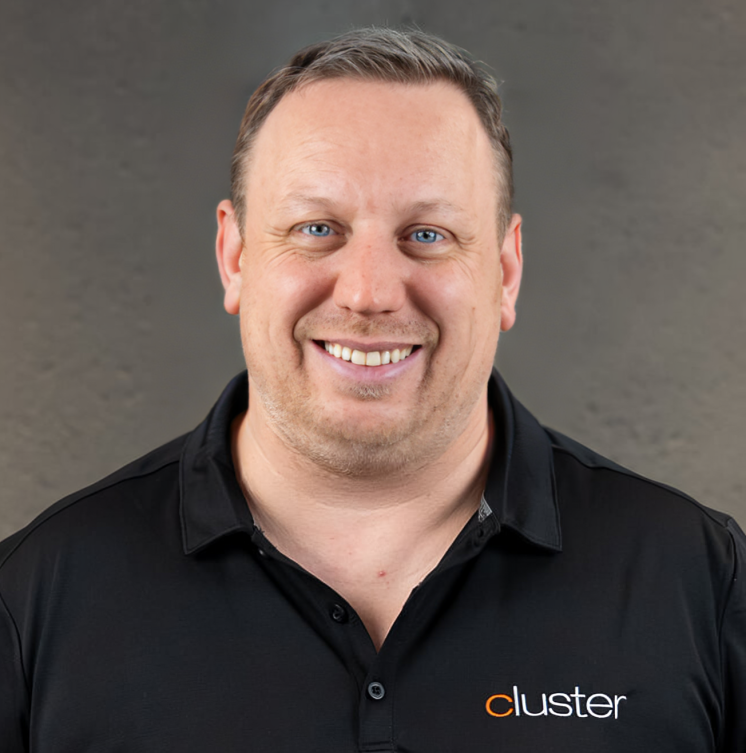
ANGELO ESPOSITO, CO-FOUNDER AND CEO OF WISK.AI
Meet Angelo Esposito, the Co-Founder and CEO of WISK.ai, Angelo's vision is to revolutionize the hospitality industry by creating an inventory software that allows bar and restaurant owners to streamline their operations, improve their margins and sales, and minimize waste. With over a decade of experience in the hospitality industry, Angelo deeply understands the challenges faced by bar and restaurant owners. From managing inventory to tracking sales to forecasting demand, Angelo has seen it all firsthand. This gave him the insight he needed to create WISK.ai.

Recent Episodes





Has llegado hasta aquí, ¿por qué no lo haces oficial?

.svg)