

Description
Restaurant pricing strategies are the methods restaurants use to set menu prices that balance profitability, customer value, and competitiveness. The most common approaches include cost-plus pricing, value-based pricing, dynamic pricing, psychological pricing, premium pricing, and bundled meal pricing. Each strategy serves a different purpose, helping restaurant operators improve profit margins, respond to changing food costs, increase average order value, and strengthen their market position.
In this episode, Angela Esposito, Co-Founder of WISK, explains six proven restaurant pricing strategies, when to use each one, and how data-driven pricing decisions can help restaurants protect margins and grow revenue.
Why Restaurant Pricing Matters
Your pricing strategy affects much more than revenue. It influences customer perception, menu profitability, brand positioning, and long-term business growth.
A well-planned pricing strategy helps restaurants:
- Increase profit margins
- Improve menu performance
- Attract the right customers
- Respond to changing food costs
- Stay competitive in the market
The best pricing model depends on your concept, target audience, operating costs, and overall business goals.
1. Cost-Plus Pricing
Cost-plus pricing is one of the most widely used restaurant pricing methods.
This approach starts by calculating the total cost of each menu item, including:
- Ingredients
- Labor
- Overhead expenses
A target profit margin is then added to determine the final selling price.
Best for:
- New restaurants
- Independent operators
- Businesses focused on maintaining consistent margins
While simple to implement, cost-plus pricing should be reviewed regularly as supplier costs change.
2. Value-Based Pricing
Value-based pricing focuses on what customers believe the dining experience is worth—not just the cost of producing the meal.
Factors that influence perceived value include:
- Food quality
- Service
- Atmosphere
- Brand reputation
- Unique dining experiences
Restaurants that offer premium experiences can often charge higher prices because guests are paying for more than just the meal.
Best for:
- Fine dining restaurants
- Chef-driven concepts
- Boutique hospitality brands
3. Dynamic Pricing
Dynamic pricing adjusts menu prices based on demand.
For example:
- Higher prices during peak dining hours
- Special promotions during slower periods
- Seasonal pricing for high-demand events
This strategy helps maximize revenue during busy periods while increasing traffic when demand is lower.
Best for:
- High-volume restaurants
- Event venues
- Restaurants with significant demand fluctuations
4. Psychological Pricing
Psychological pricing uses customer perception to make prices feel more attractive.
Common examples include:
- $9.99 instead of $10.00
- $19.95 instead of $20.00
These small pricing adjustments can influence purchasing decisions without significantly affecting profitability.
Best for:
- Casual dining
- Fast-casual concepts
- Value-focused restaurants
5. Premium Pricing
Premium pricing positions your restaurant as a high-quality, exclusive destination.
Instead of charm pricing, premium restaurants often use rounded prices such as:
- $30
- $45
- $60
Rounded pricing reinforces a perception of luxury, quality, and confidence in the dining experience.
Best for:
- Fine dining
- Luxury hospitality
- High-end tasting menus
Premium pricing works best when the guest experience consistently matches the premium price point.
6. Bundles and Meal Deals
Bundling combines multiple menu items into one value-focused offer.
Examples include:
- Burger, fries, and drink combos
- Family meal packages
- Lunch specials
- Multi-course fixed-price menus
Bundles encourage customers to spend more while increasing their perceived value.
Best for:
- Quick-service restaurants
- Fast-casual concepts
- Family restaurants
- Delivery and takeout menus
How to Choose the Right Pricing Strategy
There isn't a one-size-fits-all solution.
Before adjusting menu prices, consider:
- Your target audience
- Brand positioning
- Food and beverage costs
- Competitor pricing
- Customer expectations
- Profit margin goals
- Sales performance
Many successful restaurants combine several pricing strategies rather than relying on just one.
For example, a restaurant may use cost-plus pricing to establish a baseline, value-based pricing for signature dishes, and bundled promotions to increase average order value.
Monitor and Refine Your Pricing
Pricing isn't something you set once and forget.
Ingredient costs, labor expenses, supplier pricing, and customer demand change over time. Regularly reviewing your menu performance and food cost data helps ensure your prices remain both competitive and profitable.
Tracking metrics such as food cost percentage, gross profit, menu item popularity, and contribution margin allows you to make informed pricing decisions based on real data—not assumptions.
Improve Menu Pricing with Better Data
The most effective pricing strategies are backed by accurate operational data. WISK helps restaurants track food costs, monitor recipe profitability, manage inventory, and analyze menu performance in real time.
With automated recipe costing, invoice scanning, and detailed reporting, WISK gives restaurant operators the insights they need to price menus confidently, protect margins, and adapt quickly to changing ingredient costs.
Book a personalized demo today to see how WISK can help you optimize menu pricing and build a more profitable restaurant.

The Power of Effective Restaurant Inventory Management

How to Calculate Losses at Your Bar (and Why It Matters)

6 Popular Restaurant Pricing Strategies to Increase Profitability
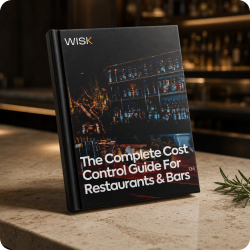
Get the Complete Cost Control Guide
A substantial portion of your budget goes to food purchases, making proper inventory management crucial. Improve control and visibility to significantly boost your restaurant’s revenue. With The Complete Cost Control Guide For Restaurants & Bars™, you can achieve faster, more efficient inventory checks, laying the foundation for better control and increased profitability.
Get the guide
Give ownership the accountability they’ve been asking for.
Book a 30-minute demo. We'll show you exactly how WISK would work across your specific outlets — beverage carts, bars, kitchen, and all.