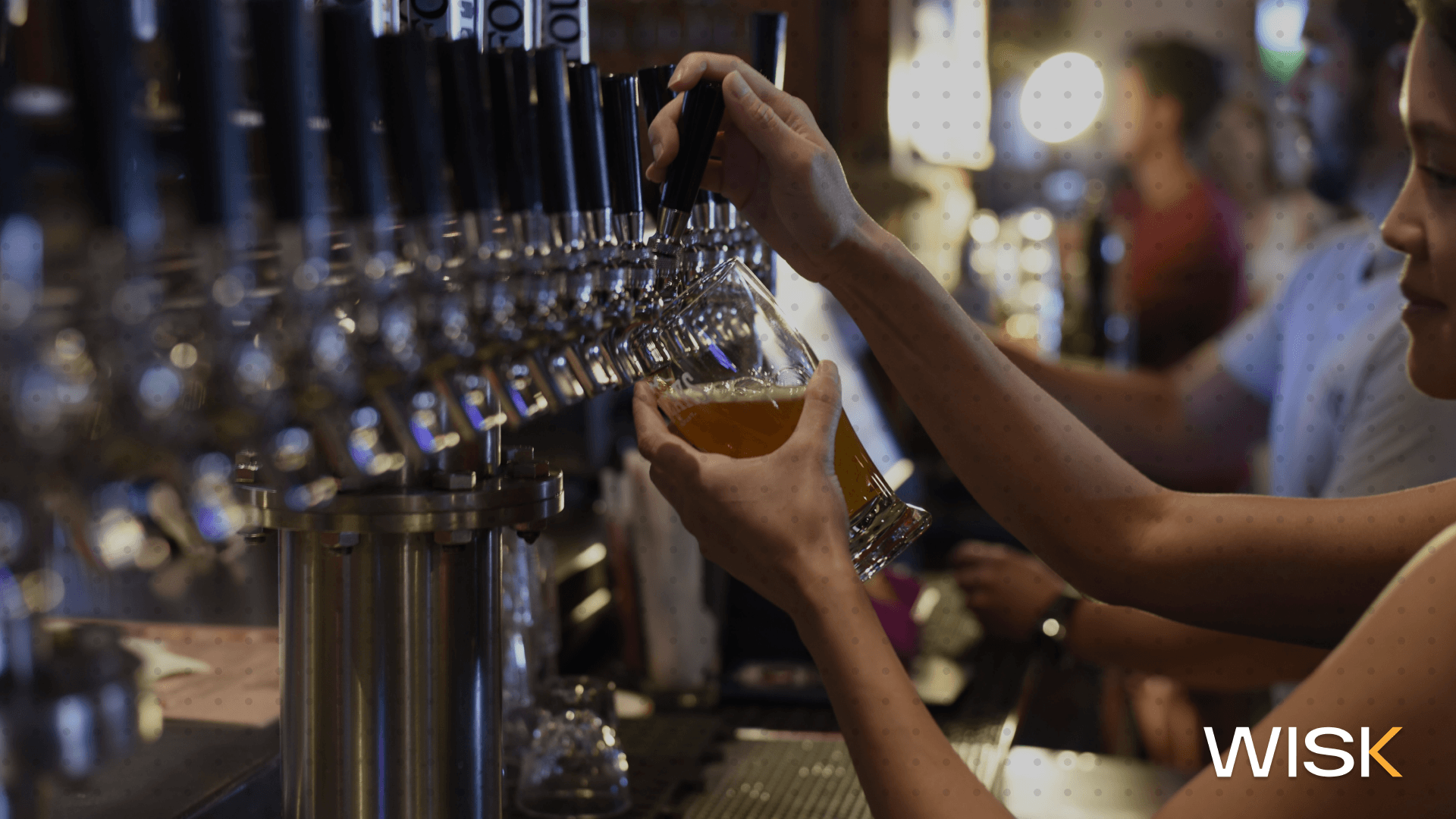
Boston got a reminder that pub culture can hit like a tide. During the 2026 World Cup run, Scottish fans, the Tartan Army, pushed Sam Adams’ Boston Taproom to sell four times as much Boston Lager as it usually moves in a normal four-day holiday stretch, and other bars ran out too. One manager said, “We’ve never seen anything like it,” which is the kind of line that sounds dramatic until you’re the one trying to keep the taps flowing. NBC Boston’s report on the Boston beer surge captured the scale of it clearly.
For growing bar groups and chains, this is not just a fun sports story. It is a live-fire lesson in demand spikes, outlet comparisons, centralized reporting, and purchasing controls. A local pub can survive a chaotic Saturday with gut instinct. A city pub, a British pub group, or a hotel bar with multiple outlets needs a lot more than instinct. That crowd does not care about your spreadsheet, your reorder point, or your closing time. It just keeps ordering beer, ale, cider, spirits, and the occasional half while the room gets louder, faster, and more expensive.
Why do pubs still turn a match into a money-making machine?
Because pubs are still where people gather when they want energy, not just a drink. The BBPA says 69% of people believe local pubs play an important role in bringing communities together, and that matters when you’re thinking about english pubs, irish pubs, a british pub, a local pub, a village tavern, or a great british pub in central London. One pub feels like a lounge, another feels like a tavern, and another feels like the front room of the town. Different room, same pull. BBPA’s community survey and closure warning backs that up with hard numbers.
That is also why historic atmosphere still sells. Historic England says its pub walks are built around listed buildings in city centres that were once, or are still, public houses, and National Trust sites like The Crown Bar in Belfast show how architectural features, snugs, carved details, and period character can turn a drink into an experience. People do not just come for beer. They come for a long history, a special occasion, live music, good food, and a great atmosphere that feels bigger than the table they’re standing at. Historic England’s historic pub notes and National Trust’s Crown Bar page both point in the same direction.
That mix of heritage and hype is why pub names still matter. Red Lion, Anchor, Crown, White Hart, Dubliner, and all the other pub names people remember are more than labels. They are shorthand for a mood. The same is true whether you are talking about inns in the country, a pub in London, a nottingham house, or a busy place in dublin. When guests join for lively banter, a private party, or a special event, the room matters as much as the menu.

What does Boston teach growing bar groups and chains?
It teaches that one strong demand wave can expose every weak spot in the operation. If one venue sells out, another location may still have stock, but only if you can see it. If a supplier runs thin, you need purchasing controls before the crowd arrives, not after the kegs are empty. If one outlet is moving 3x faster than the rest, centralized reporting needs to show that immediately, not at month-end when the margin has already vanished.
Here’s the practical takeaway in plain English:
- One fast-moving event can distort beer selection, food sales, and labor in hours.
- A crowded bar can make a strong local pub look busier than a hotel lounge, but the real issue is stock visibility.
- A chain that compares outlets early can move product from the quiet site to the hot site before the panic starts.
- A manager who tracks outlet-level variances can spot waste, spoilage, and missing stock before the night turns into guesswork.
- A smart purchasing process keeps the next delivery aligned with what guests actually drink, not what the old forecast hoped they would drink.
Which pub and bar pain points show up first during a crowd surge?
The first pain point is inventory blindness. The second is split reporting. The third is sloppy purchasing. And the fourth is staffing pressure near closing time, when the line is still moving and the room is still loud. That is the moment when a dining room, a bar, and a lounge can all feel like different businesses. Hotels feel this even harder because the bar is competing with restaurants, room service, banquets, and special events all at once.
For hotels and bar groups, the real pain points usually look like this, especially when basic bar inventory control processes are weak:
- Stock sits in one outlet while another outlet runs dry.
- Managers compare totals, but not venue-level performance.
- Invoices and receiving are handled late, which throws off true cost, and bottle counts are often inaccurate without a clear step-by-step liquor measuring method.
- Recipes drift, so a pint or signature cocktail costs more than it should.
- Transfers happen in conversation, not in a system.
- Food, beer, chips, fish, lunch, and cocktail demand do not get rolled into one clear view, which makes it hard to build consistent bar stock control habits.
That is the sort of mess that grows quietly. One week it is a busy soccer night. The next week it is a special occasion, then a private party, then live music, then a Saturday that somehow feels like half the world showed up. England, Scotland, Wales, Ireland, France, and other countries all bring different drinking patterns when they travel, and the operator who knows that early wins. The operator who guesses gets burned.
How much time does WISK save on inventory?
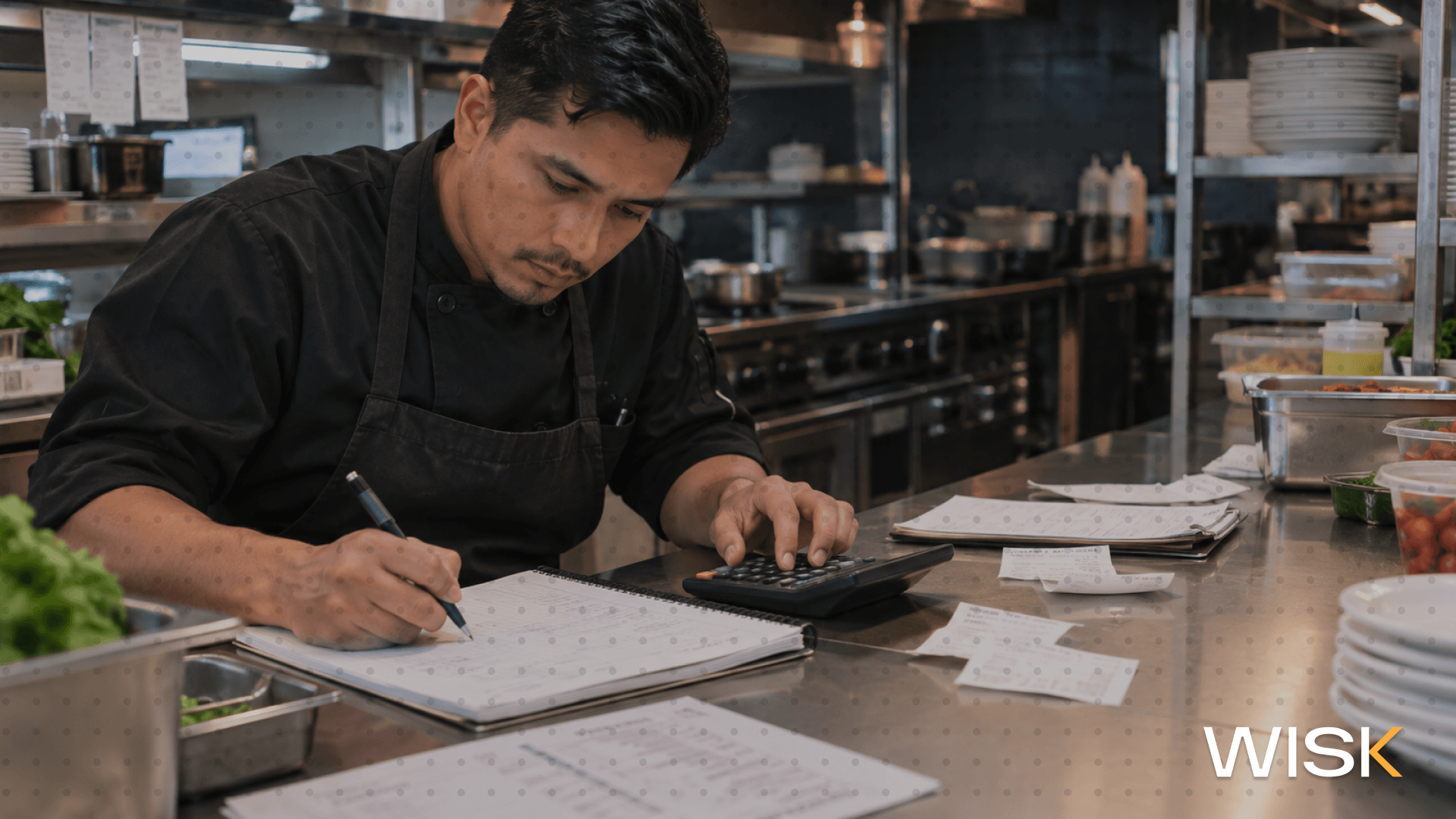
WISK says it can cut month-end inventory time in half, and that is where the real leverage starts. Once counts move faster, leaders stop wasting hours on bottles and start using that time on better purchasing, cleaner reporting, and sharper outlet comparisons. WISK also says it supports barcode scanning, Bluetooth scales, and real-time syncing, which means partial items, bottles, and keg counts can be captured with less eyeballing and fewer manual errors, especially when paired with a dedicated liquor inventory scale.
That matters for a growing chain because a spreadsheet cannot tell you, in the moment, whether one location is over-ordering cider while another is burning through beer, but specialized bar inventory management software can. WISK’s centralized inventory tracking gives multi-venue hospitality groups real-time insights into stock levels, usage patterns, and variances, and its central stockroom tools let operators move inventory across locations from one hub. In other words, the system gives you the controls a fast-moving pub group actually needs, not just the reports it hopes it needs later.
Why does WISK fit hotel bars and mixed-venue operators so well?
Because hotel F&B is rarely one clean lane. You’ve got restaurants, bars, room service, banquets, maybe a lobby lounge, maybe a rooftop, maybe a poolside setup, and each one can be serving different guests at different speeds, all needing the right mix of essential management tools and software. WISK’s hotel inventory software is built for multi-outlet operations, and it highlights the exact pain points hotels feel most, including outlet-level visibility, live ingredient costs, and stock transfers across venues.
Here’s the cleaner way to think about it. A pub chain is not just a bar chain. It is a small operating network with moving parts, where smart operators focus on practical ways to increase bar sales alongside tighter controls. Beer selection changes. Signature cocktails change. Food mix changes. Staff changes. A local pub in one town might lean into ale and live music, while a city pub near shops and restaurants might depend on after-work drink traffic. If you cannot see each outlet separately, you are steering with fogged-up glass. WISK clears that up with centralized dashboards, outlet comparisons, purchasing controls, POS integrations, and stock movement that stays visible.
What should operators do next?
Start with the basics. Tighten inventory counts. Compare one outlet against another. Watch the weird spikes, not just the averages. Lock in purchasing controls before the next event season. Keep an eye on the pub itself too, because whether it is an anchor pub, a british culture landmark, a village tavern, or a modern lounge, the room only works when the back end is calm. That is the lesson Boston handed every operator watching from afar. The crowd may come for beer and banter, but the business survives on process.
If you run hotels, restaurants, or bar groups, WISK gives you the kind of control that keeps one busy night from becoming a costly month, and its pricing and subscription plans are built around long-term efficiency gains. Centralized reporting, outlet comparisons, and purchasing controls are not extras. They are the difference between guessing and knowing. And when the next Tartan Army moment hits your city pub, your british pub, or your hotel bar, knowing is everything.