L'essentiel : Les hôtels évitent les pénuries de F&B lors des conférences en remplaçant les feuilles de calcul manuelles par la prévision automatisée de la demande et la gestion des stocks multi-points de vente. Des plateformes comme WISK.ai utilisent les données historiques et les taux de consommation en temps réel pour maintenir des niveaux de stock optimaux, garantissant que les équipes de banquet ne manquent jamais d'articles essentiels tout en réduisant le gaspillage jusqu'à 20 %.
Pourquoi les hôtels manquent-ils de stocks de F&B lors des événements ?
Les hôtels connaissent des pénuries de F&B lors des conférences parce qu'ils s'appuient sur des estimations historiques statiques au lieu d'une prévision dynamique de la demande, ce qui entraîne un écart de variance considérable où jusqu'à 31 % à 40 % des aliments servis aux clients ne sont pas consommés, alors que des articles essentiels viennent à manquer.
Lorsque vous organisez un sommet technologique de 1 500 personnes, vous savez déjà que le Bon d'Événement Banquet (BEO) que vous avez reçu il y a 14 jours est obsolète au moment où le premier participant arrive. La raison principale de cette pénurie n'est pas que votre équipe d'approvisionnement n'a pas commandé un volume suffisant ; c'est parce que les données utilisées pour passer cette commande étaient complètement statiques.
Si vous commandez en trop pour compenser vos angles morts opérationnels, vous immobilisez des liquidités vitales dans la chambre froide. Si vous sous-commandez, vous vous retrouvez soudainement à devoir emprunter au bar du hall pendant le coup de feu du déjeuner. Le manque de visibilité en temps réel sur ce qui sort réellement de votre cuisine crée un environnement chaotique pour votre équipe opérationnelle. Pour ne plus manquer de nourriture, vous devez cesser de gérer les stocks en vous basant sur la feuille de calcul de l'année dernière.
- Modèles de consommation imprévisibles : Les clients de dernière minute, les ajouts VIP et les restrictions alimentaires de dernière minute faussent instantanément les décomptes de stocks statiques.
- Complexité du menu : Proposer trop de variations personnalisées pour les grands banquets augmente considérablement le risque de ruptures de stock d'ingrédients individuels.
- Mauvais suivi du gaspillage : Si un plateau de saumon tombé n'est pas immédiatement enregistré dans votre système d'inventaire, votre responsable des achats pense toujours que vous en avez assez pour le dîner plénier du troisième jour.
Comment la prévision de la demande peut-elle anticiper les besoins en F&B des conférences ?
La prévision de la demande anticipe les besoins en F&B des conférences en analysant les données historiques des événements ainsi que les données démographiques des participants en temps réel, réduisant les erreurs d'approvisionnement jusqu'à 80 % et garantissant que vos opérations de banquet commandent exactement ce qui est nécessaire.
Si votre équipe opérationnelle devine encore combien de litres de café préparer pour la pause de 10h00, vous perdez activement de l'argent. La prévision de la demande élimine complètement les approximations de la restauration événementielle. En intégrant directement vos données de point de vente (PDV) à votre meilleures pratiques de gestion des stocks et des commandes, vous construisez un modèle prédictif et intelligent pour chaque événement.
Vous savez par expérience qu'une conférence médicale consomme beaucoup plus de café qu'un sommet technologique, ou qu'un bar ouvert lors d'un lancement commercial épuisera votre stock de vodka premium deux fois plus vite qu'une retraite d'entreprise standard. Avec une rentabilité F&B en baisse de plus de 30 % au cours des cinq dernières années dans l'ensemble du secteur, l'achat prédictif est votre meilleure défense contre l'érosion des marges. Votre logiciel devrait vous dire quoi acheter, et non l'inverse.
- Correspondance historique : L'IA compare la conférence à venir à des événements passés similaires pour prédire les taux de consommation exacts par participant.
- Maximisation du rendement : En sachant exactement ce dont vous avez besoin, vous réduisez le gaspillage d'articles périssables coûteux comme les fruits de mer et les viandes de première qualité.
- Ajustements basés sur les données : Si les enregistrements sont inférieurs de 10 % à la garantie, les outils prédictifs suggèrent automatiquement des révisions à la baisse pour la préparation du lendemain.

Quelle est la meilleure façon de gérer les stocks multi-points de vente lors d'événements simultanés ?
La manière la plus efficace de gérer les stocks multi-points de vente est d'utiliser une plateforme numérique centralisée qui suit les transferts de stock dans chaque bar, restaurant et salle de banquet en temps réel, évitant ainsi la démarque inconnue de 15 % à 20 % courante dans les opérations hôtelières décentralisées.
Imaginez ce scénario : Le bar de votre banquet manque de tequila premium lors d'une réception massive en soirée. Votre chef de banquet sprinte jusqu'au bar du hall, prend cinq bouteilles et les ramène à la salle de bal. La crise est évitée pour les invités, mais un cauchemar opérationnel vient de commencer.
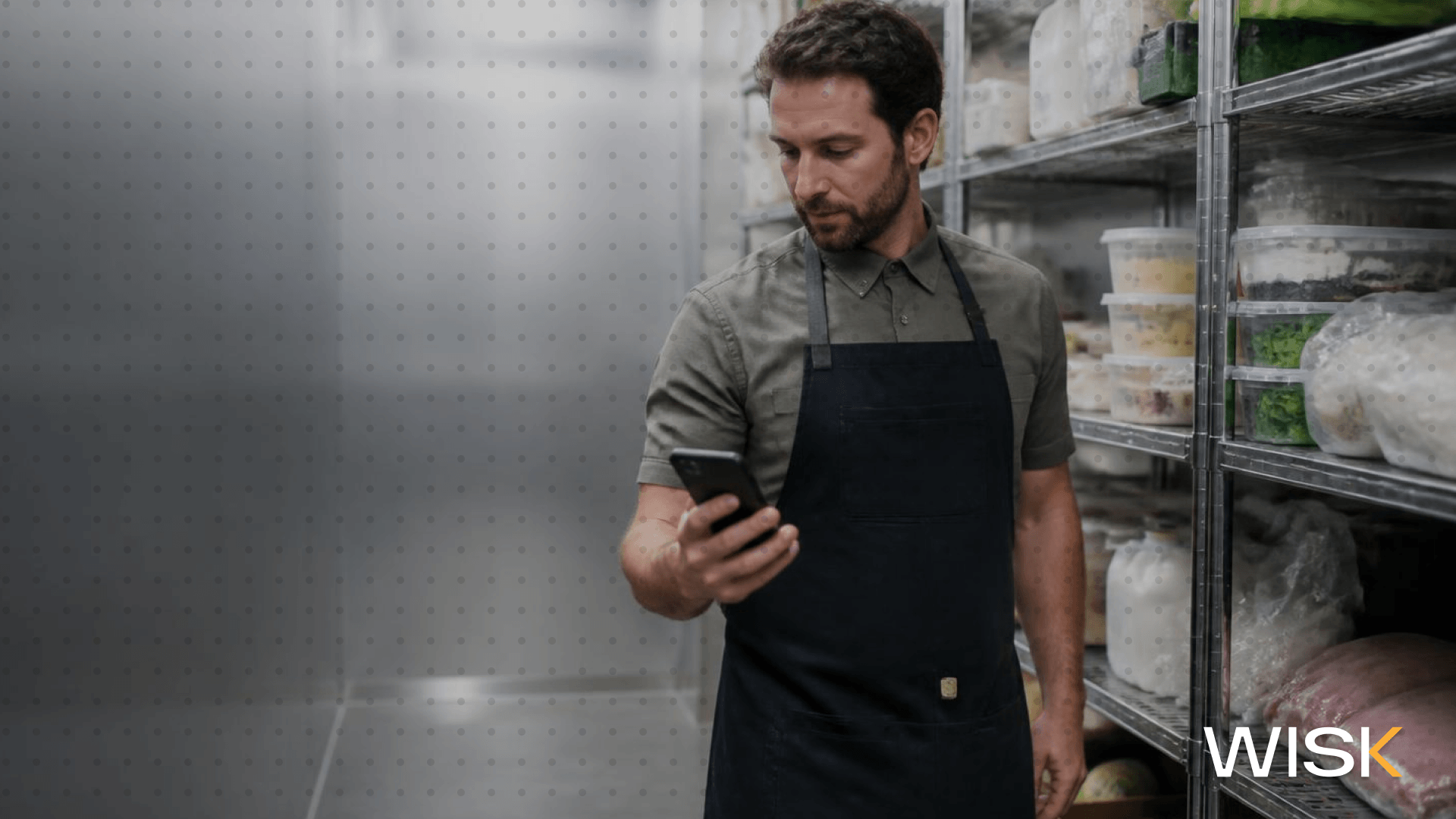
Si ce transfert n'est pas enregistré instantanément, le bar de votre hall d'entrée affiche désormais un écart inexpliqué, le bar de votre banquet présente un coût de service inférieur à la réalité, et votre responsable des achats ne sait pas qu'il doit commander de nouveau de la tequila pour le hall. La gestion des stocks multi-points de vente résout cette culture chaotique du "prêt". Vous avez besoin d'un système centralisé où les demandes internes sont enregistrées en quelques clics sur un appareil mobile, mettant à jour instantanément le décompte des stocks principaux sur l'ensemble de la propriété, ce qui est exactement ce que les logiciels dédiés de gestion des stocks pour les bars et restaurants sont conçus pour gérer.
- Demandes numériques : Le personnel peut demander et enregistrer les transferts entre départements sur une tablette, assurant ainsi l'exactitude de la rentabilité de chaque département.
- Visibilité unifiée : Le directeur de la restauration peut voir l'emplacement exact de chaque bouteille de vin et de chaque caisse de poulet, qu'elles se trouvent dans l'entrepôt principal ou au bar sur le toit.
- Éliminer les doubles commandes : Empêchez l'équipe de banquet et l'équipe du restaurant de passer des commandes distinctes pour les mêmes ingrédients en puisant dans un stock central partagé et visible.
Comment les transferts de stock non enregistrés entraînent-ils des pénuries lors des banquets ?
Les transferts de stock non enregistrés entraînent des pénuries lors des banquets en créant des stocks fantômes, ce qui amène les responsables des achats à croire que des articles sont en stock alors qu'ils ont en fait été épuisés par d'autres départements, provoquant un écart allant jusqu'à 12 % par rapport au stock réel disponible.
Le stock fantôme est le tueur silencieux des opérations de restauration hôtelière. Lorsque le système indique que vous avez 40 caisses d'eau pétillante, mais que la réalité physique est que l'équipe du service d'étage a pris 15 caisses pendant le week-end sans l'enregistrer, votre petit-déjeuner de conférence du lundi matin est voué à l'échec.
Les responsables de banquet sont souvent tenus pour responsables de ces pénuries, même lorsque la faute incombe à un système de suivi défaillant à l'échelle de la propriété. Lorsque vous éliminez les stocks fantômes grâce à un suivi strict, appliqué numériquement, et à des processus robustes de contrôle des stocks de bar, vous protégez votre équipe de banquet contre les catastrophes imprévues de dernière minute.
- Responsabilité : Les journaux numériques indiquent précisément qui a déplacé le stock, quand et vers quel point de vente.
- Valorisation précise : Évite les rapports faussés sur le coût des marchandises vendues (CMV) à la fin du mois.
- Confiance dans le système : Lorsque le système indique qu'il vous reste 10 caisses, vos chefs peuvent être sûrs que ces 10 caisses sont réellement sur l'étagère.
Comment la gestion automatisée des commandes fournisseurs met-elle fin aux retards des fournisseurs ?
La gestion automatisée des commandes fournisseurs met fin aux retards des fournisseurs en déclenchant instantanément des bons de commande lorsque votre stock atteint des seuils minimaux dynamiques, ce qui permet de récupérer environ 20 heures par semaine de temps administratif et d'éliminer les ruptures de stock à 95 %.
Vous et vos chefs exécutifs ne devriez pas envoyer de SMS à vos représentants fournisseurs à 23h30 parce que vous avez réalisé que vous n'avez pas assez de filet mignon pour le dîner VIP du troisième jour. La gestion automatisée des commandes fournisseurs centralise tous vos catalogues fournisseurs, prix négociés et plannings de livraison dans un tableau de bord unique, fonctionnant comme l'un des outils essentiels dont chaque gérant de restaurant a besoin.
Lorsque votre inventaire passe sous le seuil de sécurité requis pour un BEO à venir, le système rédige automatiquement le bon de commande. Tout ce que vous avez à faire est de revoir le brouillon et d'appuyer sur envoyer. De plus, un système automatisé protège vos résultats contre les hausses de prix soudaines et inattendues des fournisseurs. Si votre fournisseur principal augmente le coût des avocats de 40 %, le système signale l'augmentation et vous permet instantanément de comparer des ingrédients de substitution ou des fournisseurs alternatifs avant de vous engager à l'achat.
- Catalogues intégrés : Accédez à tous vos fournisseurs sur un seul écran au lieu de vous connecter à cinq portails différents.
- Réapprovisionnement intelligent : Les BC sont générés en fonction de la consommation réelle, et non de plannings hebdomadaires arbitraires.
- Automatisation de la facturation : Scannez et numérisez les factures dès réception pour repérer immédiatement les divergences entre ce qui a été commandé et ce qui a été reçu.
Comment gérez-vous la gestion dynamique des niveaux de par pour les banquets imprévisibles ?
La gestion dynamique des niveaux de par recalcule quotidiennement vos besoins minimaux en stock en fonction des BEO à venir, des tendances saisonnières et des taux de consommation en temps réel, prévenant ainsi à la fois les ruptures de stock coûteuses et l'accumulation de stocks morts.
Les niveaux de par statiques sont incroyablement dangereux pour un hôtel à fort volume d'activité. Si votre niveau de par pour le vin rouge de la maison est fixé de manière rigide à 50 caisses toute l'année, vous aurez beaucoup trop de stock inactif en juillet, et vous serez complètement à court pendant la ruée des fêtes de fin d'année en décembre, même si vous vous appuyez encore sur un simple modèle de feuille de calcul d'inventaire de bar plutôt que sur des outils de par dynamique.
La gestion dynamique des niveaux de par examine activement votre pipeline. Si le système constate que vous avez trois dîners consécutifs de 500 personnes réservés pour la semaine prochaine, vos niveaux de par s'ajustent automatiquement à la hausse pour garantir que votre stock de sécurité puisse absorber l'augmentation massive du volume. Une mise en œuvre adéquate de ces outils numériques intelligents peut réduire les besoins en main-d'œuvre de 15 à 20 %, libérant vos responsables de banquet du presse-papiers et les remettant sur le terrain où ils doivent être.
- Ajustements basés sur les événements : Les niveaux de par augmentent automatiquement en fonction du nombre de participants garanti des événements à venir.
- Prévention des stocks morts : Le système abaisse les niveaux de par pendant les basses saisons afin de ne pas immobiliser de capital dans des produits périssables.
- Alertes automatisées : Recevez des notifications push sur votre téléphone dès qu'un article critique passe en dessous de son niveau de par dynamique.
Quelle est la différence entre le suivi manuel des stocks et WISK.ai ?
Le suivi manuel des stocks exige des heures de comptage physique et de saisie de données dans des feuilles de calcul, tandis que WISK.ai automatise l'ensemble du processus grâce à des intégrations de PDV, la lecture de codes-barres et la prévision par IA pour atteindre une précision des stocks de 99 %.
Lorsque votre équipe s'appuie sur des blocs-notes, des feuilles de calcul et la saisie manuelle de données, l'erreur humaine est inévitable. Une seule virgule mal placée lors d'un inventaire nocturne peut entraîner des milliers de dollars de surcommande ou une pénurie catastrophique lors d'un événement majeur. WISK.ai élimine entièrement l'erreur humaine de l'équation, surpassant les autres plateformes d'inventaire de restaurant comme MarketMan.
Vous trouverez ci-dessous une analyse comparative de la méthode traditionnelle et d'une approche modernisée, basée sur l'IA.
Tableau comparatif : Suivi manuel vs. WISK.ai
Comment WISK.ai peut-il résoudre durablement les pénuries de F&B dans les hôtels ?
WISK.ai résout les pénuries de F&B en offrant aux équipes d'exploitation hôtelière une plateforme unifiée pour la gestion des stocks multi-points de vente, la prévision précise de la demande et la gestion automatisée des commandes fournisseurs afin de garantir le bon déroulement de chaque conférence.
Il est tout simplement impossible de gérer une opération F&B hôtelière moderne et à fort volume avec des blocs-notes et des feuilles de calcul obsolètes. La variance est trop élevée, les marges bénéficiaires sont trop minces, et le risque pour la réputation de votre hôtel lors d'une conférence phare est bien trop grand. Lorsqu'un événement VIP manque d'un article de menu promis, vous ne perdez pas seulement la marge sur ce plat, vous risquez de perdre l'intégralité du compte pour la réservation de l'année prochaine.
WISK.ai vous offre un contrôle complet et granulaire sur l'ensemble de votre exploitation. En synchronisant instantanément vos données de PDV, en numérisant vos factures et en automatisant vos niveaux de par, WISK transforme votre inventaire d'un jeu de devinettes en une science prévisible et hautement rentable, tout en offrant un retour sur investissement qui correspond à ses plans tarifaires flexibles pour les établissements F&B. Arrêtez de vous démener pendant vos banquets et commencez à fonctionner avec une certitude absolue.
Prêt à éliminer les pénuries de produits alimentaires et de boissons lors de votre prochaine grande conférence ? Réservez une démo avec WISK.ai dès aujourd'hui pour voir comment la gestion automatisée des stocks transformera la rentabilité de votre hôtel.