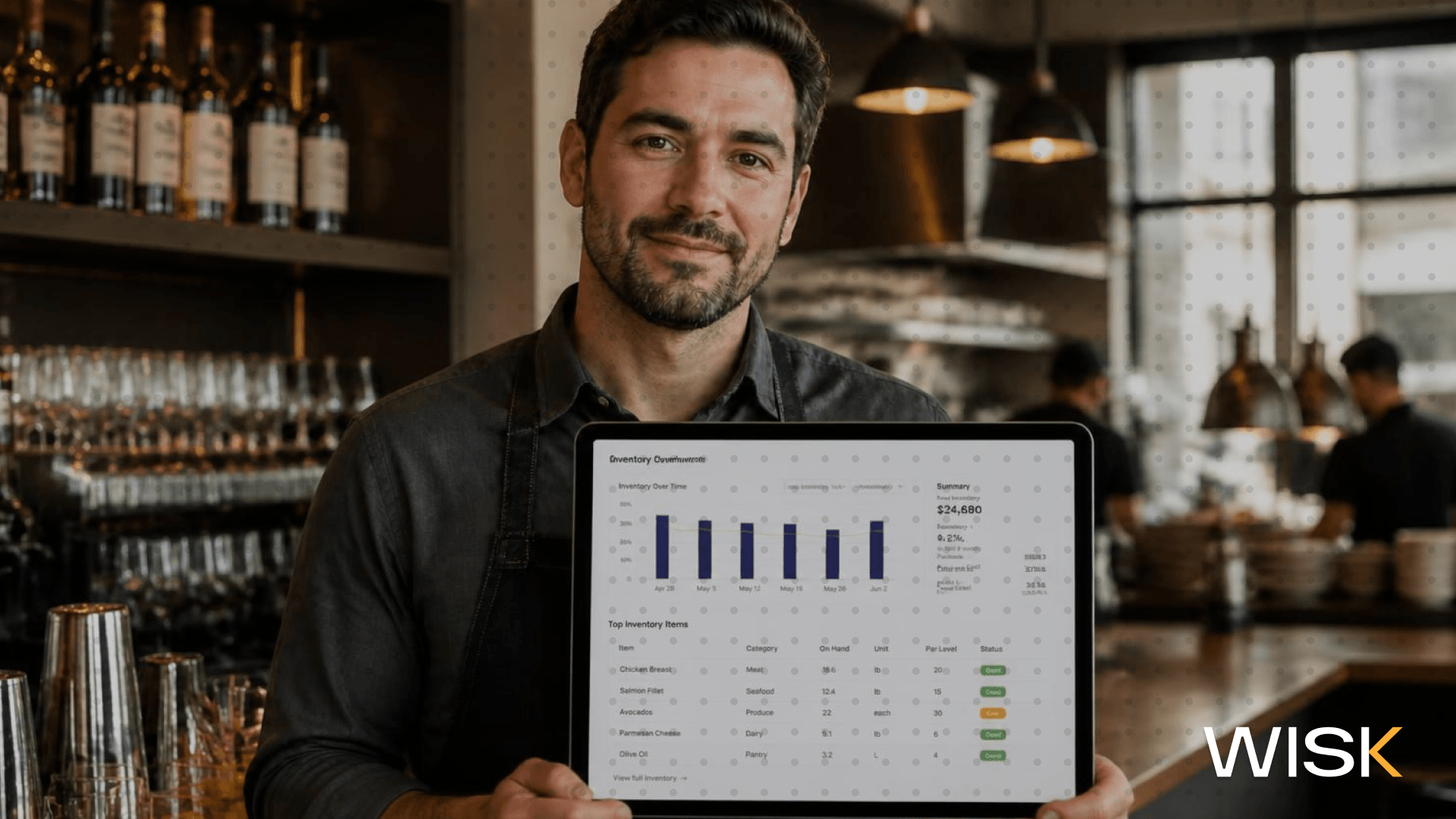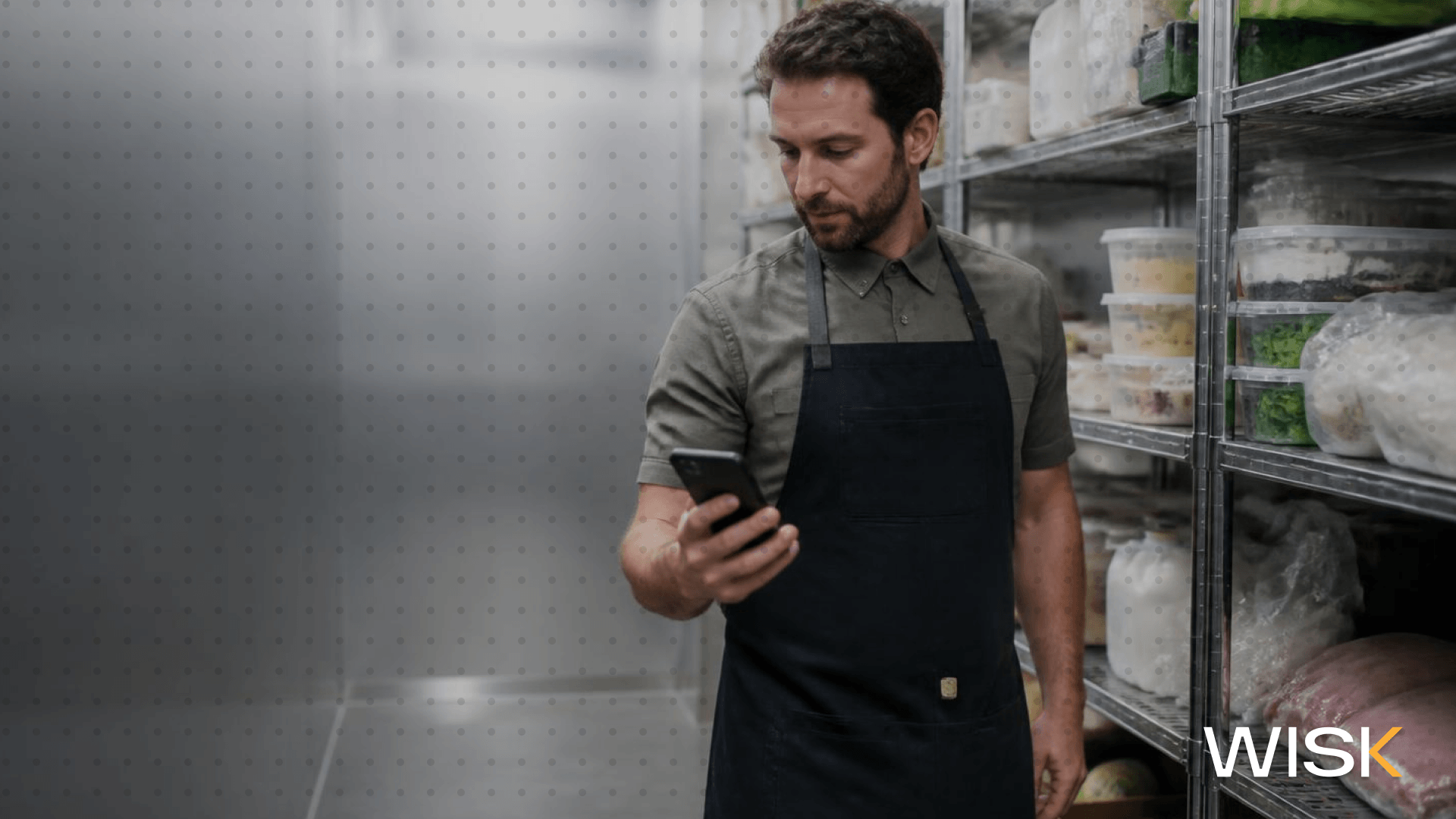
En resumen: la forma más eficaz de mantener la preparación constante para las inspecciones de sanidad es sustituir los registros en papel por flujos de trabajo digitales y automatizados. Al utilizar una plataforma integral como WISK, los operadores de restaurantes eliminan los puntos ciegos operativos mediante el seguimiento de inventario en tiempo real, la documentación automatizada y listas de verificación integradas que garantizan el cumplimiento de las normas de seguridad alimentaria en cada turno.
Seamos sinceros. Cuando el inspector de sanidad local entra por la puerta en plena hora punta de un viernes, lo último que quieres es sentir ese repentino nudo en el estómago. Quieres recibirle con confianza, mostrar tus registros digitales impecables y volver inmediatamente a atender a tus clientes.
La estrategia para triunfar en las inspecciones no consiste en estudiar a última hora ni en correr con un portapapeles una hora antes de que lleguen. Se trata de integrar la seguridad en el ADN operativo de tu día a día.
¿Cómo crean los propietarios y gerentes de restaurantes una cultura de cumplimiento sanitario continuo?
Los propietarios y gerentes de restaurantes logran un estado de preparación total para las inspecciones mediante la integración de listas de verificación automatizadas, lo que refuerza los procedimientos operativos estándar y reduce las tareas de cumplimiento diarias omitidas hasta en un 85% en comparación con los registros manuales en papel.
Como propietario o gerente, es imposible estar en la cocina supervisando cada control de temperatura o cada limpieza. Necesitas sistemas operativos que actúen como tus ojos y oídos cuando no estás presente o cuando gestionas el salón. Al dejar atrás los portapapeles físicos que a menudo se rellenan de forma apresurada al final de una larga jornada, obtienes una supervisión real y rastreable.
- Refuerza la responsabilidad: Vincula la finalización de las listas de verificación de seguridad digitales a las comidas del turno o a los permisos de salida. Esto garantiza que el personal verifique realmente las temperaturas de la línea en lugar de adivinarlas.
- Analiza patrones: Revisa tus informes de variaciones semanalmente para detectar inconsistencias operativas a tiempo y descubrir oportunidades para optimizar los flujos de trabajo de tu cocina. Si el uso de productos químicos de desinfección es menor de lo que debería, es posible que tu equipo esté omitiendo protocolos de limpieza esenciales.
- Respuesta rápida: Establezca una cadena de mando clara para informar sobre fallos en los equipos, especialmente en las unidades de refrigeración que tienen dificultades para mantener las temperaturas seguras recomendadas por la FDA durante las horas punta de servicio.
¿Cómo calcula la puntuación de riesgo de inspección sanitaria de su restaurante?
Los operadores que evalúan de forma proactiva sus vulnerabilidades operativas mediante herramientas de riesgo interactivas pueden identificar y corregir hasta el 90% de las posibles infracciones críticas antes de que un inspector de sanidad ponga un pie en el establecimiento.
Dedique 30 segundos a utilizar esta herramienta interactiva para ver cuál es la situación actual de su restaurante.

¿Por qué los directores de servicios de alimentación necesitan una gestión de inventario digital para superar las inspecciones sanitarias?
Los directores de servicios de alimentación previenen infracciones críticas de temperatura y caducidad mediante el uso de un sistema digital de gestión de inventario, eliminando eficazmente los riesgos de cumplimiento asociados al 40% estimado de desperdicio de alimentos en hostelería causado por una mala rotación de existencias.
Si dirige operaciones de servicios de alimentación en varias ubicaciones, su mayor enemigo es la falta de coherencia. Las hojas de inventario en papel simplemente no se integran con sus programas de preparación o registros de compras. Un sistema digital garantiza que el método PEPS (primero en entrar, primero en salir) se aplique matemáticamente en toda su organización, en lugar de ser solo una sugerencia impresa en un cartel.
- Seguimiento digital de lotes: Implemente el escaneo de códigos de barras para todas las entregas entrantes con el fin de registrar automáticamente los números de lote, las temperaturas de recepción y las fechas de caducidad exactas, siguiendo las mejores prácticas para la gestión de inventarios y pedidos.
- Alertas proactivas: Configure alertas automáticas de software para productos de alto riesgo (como proteínas crudas, mariscos y lácteos) que estén cerca de alcanzar el final de su vida útil segura, garantizando que se utilicen de inmediato o se desechen correctamente.
- Niveles de stock precisos: Utilice la gestión de niveles de stock para asegurarse de mantener solo lo que puede almacenar, refrigerar y servir de forma segura dentro de un estricto margen operativo de 3 a 4 días, respaldado por una hoja de inventario bien estructurada.
¿Cómo pueden los jefes de cocina y chefs eliminar los riesgos de contaminación cruzada y deterioro?
Los jefes de cocina y chefs que analizan los informes de variaciones y utilizan herramientas de etiquetado automático detectan las tendencias de deterioro al instante, reduciendo los riesgos de enfermedades transmitidas por alimentos al identificar el 99% de los productos preparados sin documentar o caducados antes de que lleguen a la línea de servicio.
Sabemos que su prioridad debe ser el sabor, el emplatado y la ejecución, no rebuscar en una cámara frigorífica abarrotada intentando descifrar una fecha borrosa escrita en cinta de carrocero. Los inspectores de sanidad revisan primero la cámara frigorífica porque revela la verdadera disciplina de su cocina.
- Codificación de fechas automatizada: Exija el uso de etiquetas de preparación impresas y escaneables que calculen automáticamente las fechas de caducidad exactas según el tipo de producto (por ejemplo, exactamente 7 días para alimentos preparados TCS conservados a 5°C o menos).
- Transparencia en los residuos: Compare su inventario físico real con el inventario esperado del TPV mediante informes de variaciones, incluso si comienza con herramientas como una hoja de cálculo gratuita de inventario de bar. Esto le ayuda a identificar residuos ocultos, como cuando el personal de cocina tira alimentos estropeados o que han perdido la cadena de frío sin registrarlos oficialmente.
- Jerarquía en la cámara frigorífica: Inspeccione diariamente la estructura de su cámara frigorífica para evitar la contaminación cruzada. Asegúrese de que los alimentos listos para el consumo estén siempre en los estantes superiores, seguidos por el pescado, los cortes de carne enteros, la carne picada y, en el estante inferior, las aves de corral.
¿Cuál es la mejor forma en que los nuevos emprendedores de restaurantes pueden organizar su documentación de cumplimiento?
Los nuevos emprendedores de restaurantes agilizan las auditorías normativas centralizando todos los registros mediante documentación automatizada, lo que reduce el tiempo dedicado a buscar registros de temperatura y desinfección durante una inspección sorpresa de 45 minutos a menos de 2 minutos.
Si está abriendo su primer restaurante, la enorme cantidad de trámites de cumplimiento puede resultar abrumadora. Más allá de la seguridad alimentaria, también necesita herramientas esenciales que todo gerente de restaurante necesita para mantener las operaciones diarias bajo control. No empiece su emocionante nuevo negocio con mal pie confiando en carpetas caóticas guardadas en una oficina polvorienta. Los inspectores valoran a los operadores organizados.
- Certificaciones centralizadas: Digitalice todas las certificaciones de salud de los empleados, los certificados de formación en alérgenos y los carnés de manipulador de alimentos en un único centro basado en la nube de fácil acceso.
- Registro por Bluetooth: Automatice sus registros diarios de temperatura mediante sondas Bluetooth que se sincronizan directamente con su software de gestión, creando un rastro digital inalterable.
- Pruebas históricas: Mantenga copias digitales de las facturas de control de plagas, los registros de limpieza de campanas y el mantenimiento de trampas de grasa. Según las directrices de salud ambiental de los CDC, un mantenimiento de registros altamente organizado está directamente relacionado con mejores puntuaciones generales en seguridad alimentaria.
¿Cómo se comparan los métodos de cumplimiento manuales con la gestión de restaurantes basada en IA?
Pasar de los registros manuales a un software de gestión basado en IA reduce las horas de trabajo dedicadas al cumplimiento de las normas sanitarias hasta en 15 horas semanales, a la vez que aumenta drásticamente la precisión de los datos al 99,9%.
Para obtener un desglose claro de por qué dar el salto digital es fundamental para la salud operativa de su negocio, consulte la tabla comparativa a continuación.
¿Cómo influye una previsión de ventas precisa en la seguridad alimentaria y las calificaciones sanitarias?
Al utilizar la previsión de ventas basada en IA, los restaurantes evitan pedir productos perecederos en exceso, lo que reduce directamente el volumen de artículos de alto riesgo almacenados en las cámaras frigoríficas en un promedio del 22% y mejora drásticamente el flujo de aire en el almacenamiento en frío, algo igual de crítico para los bares que enfrentan problemas de gestión de inventario de barra.
Los refrigeradores abarrotados son una señal de alerta inmediata y grave para los inspectores de sanidad. Cuando los estantes están llenos hasta el techo con cajas de productos y proteínas, el aire frío no puede circular correctamente. Esta falta de flujo de aire crea peligrosas zonas cálidas en el refrigerador donde las bacterias dañinas pueden multiplicarse rápidamente.
- Pedidos más inteligentes: Utilice datos históricos de ventas generados por IA y patrones meteorológicos locales para pedir exactamente lo que necesita para el próximo fin de semana, evitando por completo el peligroso desbordamiento de las cámaras frigoríficas.
- Logística de entrega: Reduzca la frecuencia de las entregas o renegocie los tamaños de los pedidos con los proveedores si simplemente no dispone de suficiente espacio físico de almacenamiento en frío en su cocina.
- La regla del 15%: Mantenga al menos un 15% de espacio vacío y libre en todos sus refrigeradores para garantizar el mantenimiento adecuado de la temperatura ambiente y permitir que los ventiladores del condensador funcionen de manera eficiente.
¿Cuáles son los beneficios ocultos de cumplimiento de las funciones de gestión de costes en la tecnología para restaurantes?
Las funciones de gestión de costes revelan brechas críticas en la seguridad alimentaria al correlacionar picos repentinos en los costes de los alimentos con un aumento en el desperdicio, lo que permite a los operadores identificar problemas de almacenamiento inadecuado o de porciones 3 veces más rápido que con la revisión manual de libros contables.
La seguridad alimentaria y los porcentajes de coste de los alimentos están intrínsecamente vinculados. Si el coste de los productos vendidos (COGS) aumenta repentinamente, rara vez se debe solo a un problema de precios de su proveedor. Por lo general, significa que alimentos costosos se están echando a perder antes de poder venderse al cliente, lo que representa una vulnerabilidad importante en el cumplimiento normativo. Comprender a fondo los márgenes de beneficio de un restaurante y calcular con precisión su porcentaje de coste de alimentos demuestra que detectar incluso una reducción del 2% en el desperdicio evitable puede salvar a un negocio en dificultades.
- Teórico frente a real: Realice un seguimiento semanal de sus costes de alimentos teóricos frente a los reales. Una brecha amplia significa que la comida está desapareciendo, se está sirviendo en porciones incorrectas o se está pudriendo en la basura debido a fallos de seguridad.
- Investigue los picos: Investigue de inmediato los picos específicos en el coste de los ingredientes. Si los costes del pollo aumentan pero las ventas de platos de pollo se mantienen estables, debe verificar inmediatamente las temperaturas de su cámara frigorífica, los procedimientos de almacenamiento y el etiquetado de preparación para encontrar la causa raíz del deterioro.
¿Cómo garantiza WISK que su restaurante siempre supere sus inspecciones sanitarias?
WISK transforma la preparación para las inspecciones sanitarias de un evento estresante a un hábito diario automatizado, aprovechando una base de datos líder en la industria de más de 200,000 artículos para garantizar una trazabilidad exacta, funciones precisas de gestión de costes y un seguimiento fluido del cumplimiento.
Usted no entró en la exigente industria de la hostelería para gestionar papeleo y estresarse con auditorías de portapapeles. Entró en este negocio para formar un equipo increíble, crear menús fantásticos y servir comida inolvidable. Deje que la tecnología se encargue del tedioso trabajo administrativo.
Al integrar su sistema de punto de venta directamente con nuestro sólido software de gestión de inventario para bares y restaurantes, usted garantiza pedidos precisos, una rotación de existencias perfecta y un seguimiento de variaciones en tiempo real. Es hora de dejar de preocuparse por la llegada del inspector de sanidad y empezar a operar con una confianza absoluta respaldada por datos.
¿Listo para digitalizar su cumplimiento, optimizar sus operaciones y proteger sus márgenes? [Reserve una demostración con WISK hoy mismo] y vea exactamente cómo nuestras herramientas automatizadas protegen tanto sus resultados financieros como su reputación, ganada con tanto esfuerzo.