En résumé : Les hôtels de luxe et boutiques déploient des parfums personnalisés pour déclencher la mémoire émotionnelle, augmentant ainsi les scores de satisfaction globale des clients jusqu'à 20 % et renforçant la fidélité à la marque. La gestion des huiles essentielles très coûteuses, des cartouches de diffuseur CVC et des produits d'accueil en vente nécessaires à ces expériences sensorielles est complexe sur le plan opérationnel, c'est pourquoi les meilleurs opérateurs hôteliers utilisent WISK.ai pour automatiser le suivi de leurs stocks de parfums, éviter les ruptures de stock coûteuses et gérer les niveaux de parité multi-propriétés de manière fluide.
Pourquoi les hôtels de luxe utilisent-ils des parfums personnalisés dans leurs halls et leurs chambres ?
Les hôtels de luxe déploient des parfums personnalisés car le bulbe olfactif humain est directement connecté au système limbique du cerveau, ce qui signifie qu'une fragrance signature peut augmenter la rétention mémorielle du séjour d'un client de 73 % par rapport aux seuls indices visuels.
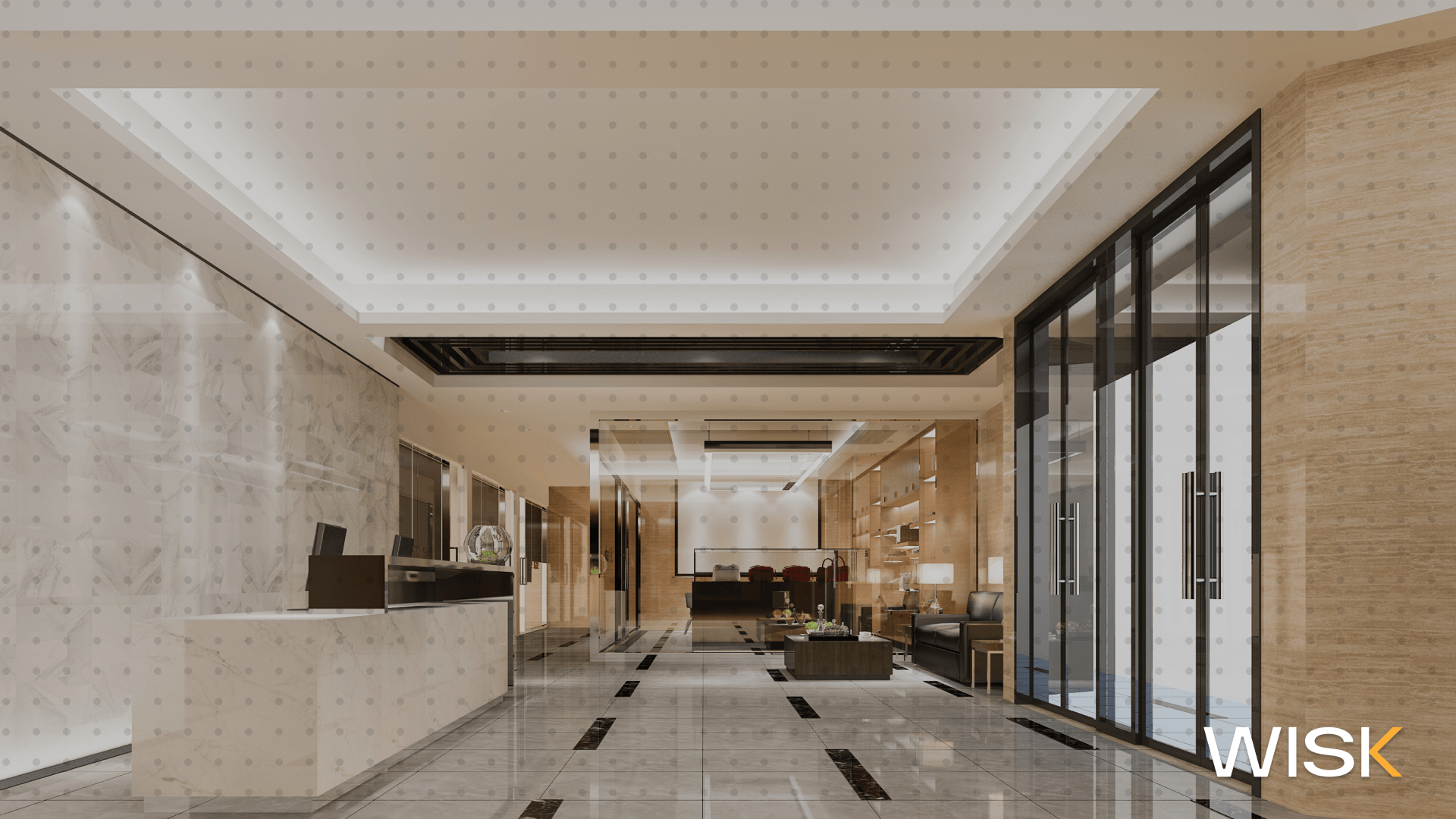
Lorsque vous entrez dans un établissement haut de gamme, la première chose qui vous frappe n'est pas l'éclairage ou le mobilier, c'est le parfum. En tant que directeur des opérations ou cadre hôtelier, vous comprenez que le « moment d'arrivée » donne le ton de l'ensemble du parcours client.
- Réponse physiologique immédiate : Un mélange soigneusement élaboré de thé blanc, de figue ou de bois de cèdre abaisse physiquement le rythme cardiaque d'un client après une journée de voyage stressante. Vous provoquez activement un changement dans leur système nerveux.
- Reconnaissance inconsciente de la marque : Tout comme vous reconnaissez les arches dorées de McDonald's, un parfum signature crée un logo invisible. Lorsque les clients rencontrent à nouveau ce profil aromatique spécifique, ils se souviennent immédiatement de leur expérience positive dans votre établissement.
- Différenciation sur un marché saturé : Rivaliser sur le nombre de fils et la superficie est une course à la baisse. Solliciter les sens crée un facteur de luxe irremplaçable qui justifie un Tarif Journalier Moyen (TJM) plus élevé. Lorsque vous exploitez la science du marketing sensoriel, vous transformez un séjour d'une nuit transactionnel en une expérience profondément personnelle et mémorable.
Comment le marketing olfactif impacte-t-il directement les revenus hôteliers et les taux de retour des clients ?
La mise en œuvre d'une stratégie olfactive sur mesure augmente le temps de présence sur place jusqu'à 15 %, stimule les ventes au détail de produits d'accueil hôteliers de marque de 30 %, et influe positivement sur les scores des enquêtes post-séjour d'une moyenne de 8 à 12 points.
Vous ne faites pas que diffuser de simples odeurs agréables dans une pièce ; vous exécutez une stratégie éprouvée de génération de revenus. Les données montrent clairement que lorsqu'un espace dégage une odeur haut de gamme, les clients perçoivent l'environnement et les services qu'il contient comme plus précieux, c'est pourquoi de nombreux opérateurs associent les programmes olfactifs à logiciel spécialisé de gestion des stocks pour les bars et les restaurants pour protéger les marges.
- Augmentation des dépenses en restauration et boissons et dans le hall : Lorsque vous utilisez des parfums chaleureux et invitants (comme la vanille, le cuir ou des épices subtiles) dans les bars et salons de votre hall, les clients ont tendance à s'attarder. Une augmentation de 15 % du temps de présence se traduit directement par une tournée de boissons supplémentaire commandée ou l'achat spontané d'un apéritif.
- Le canal de vente au détail de produits d'accueil : Si votre parfum signature est exceptionnel, les clients voudront l'emporter chez eux. La vente de bougies, de diffuseurs à bâtonnets et de sprays d'ambiance de marque transforme votre centre de coûts opérationnels en une source de revenus de détail à forte marge.
- Valeur vie client et réservations récurrentes : Les souvenirs déclenchés par les parfums sont incroyablement durables. Lorsqu'un client achète votre spray d'ambiance de marque et l'utilise chez lui, il paie essentiellement pour que votre hôtel reste présent dans son esprit. Cela influence directement sa décision lors de la réservation de son prochain voyage dans votre ville.
Quelles sont les méthodes les plus courantes utilisées par les hôtels pour diffuser des parfums personnalisés ?
Les hôtels s'appuient sur des diffuseurs d'air froid CVC commerciaux pour 80 % des grands espaces ouverts comme les halls, complétés par des nébuliseurs autonomes ciblés dans les couloirs et des produits d'accueil de marque dans les chambres pour assurer une couverture olfactive constante à 99 %.
Si vous gérez un établissement, vous savez que faire en sorte qu'un hall de 5 000 pieds carrés sente toujours bon sans submerger le personnel de la réception nécessite une ingénierie sérieuse. Vous ne pouvez pas vous fier aux sprays aérosols de base.
- Diffusion d'air froid CVC : C'est la référence pour les établissements de grande envergure. En se connectant directement au système de conduits, la diffusion d'air froid transforme les huiles essentielles coûteuses en une micro-brume sèche. Elle ne laisse aucun résidu sur vos meubles coûteux et assure une diffusion uniforme du parfum via le flux d'air existant du bâtiment.
- Nébuliseurs programmables autonomes : Pour les petits espaces de type boutique, les batteries d'ascenseurs ou les couloirs d'étage spécifiques, des tours indépendantes ou des unités murales se chargent du travail. Vous pouvez les programmer via Bluetooth pour augmenter l'intensité pendant les heures d'enregistrement à forte affluence et la réduire pendant les quarts de nuit calmes.
- Intégration au service d'entretien : Le dernier point de contact se situe dans la chambre d'hôtel. Votre personnel d'entretien utilise des sprays de surface de marque ou des filtres d'aspirateur spécialisés. Comprendre ces méthodes distinctes de diffusion de parfum est essentiel car chacune nécessite un type d'inventaire consommable différent — des bidons d'huile CVC de plusieurs litres aux petites bouteilles de spray d'entretien.

Quels sont les coûts cachés liés à la gestion d'un programme de marketing olfactif hôtelier ?
Les coûts cachés des programmes olfactifs hôteliers proviennent de la démarque inconnue d'huiles parfumées, de la surcommande de composés organiques périssables et des cartouches de diffuseur vides, ce qui peut entraîner des pertes allant jusqu'à 15 000 $ par an par établissement de 200 chambres si ces éléments ne sont pas étroitement surveillés.
Parlons opérations. La création du parfum personnalisé n'est que la première étape. Le véritable défi consiste à gérer la consommation quotidienne des liquides et du matériel qui opèrent la magie. Les huiles parfumées haut de gamme sont incroyablement chères, coûtant souvent des centaines de dollars le litre, il est donc essentiel d'appliquer les meilleures pratiques pour la gestion de votre inventaire et de vos commandes afin d'éviter un surdosage coûteux ou le gaspillage.
- Démarque inconnue et déversements : Lorsque le personnel d'entretien ou de maintenance remplit manuellement les diffuseurs autonomes à partir de bidons en vrac, les déversements sont inévitables. Sur une année, le déversement d'à peine une once par semaine représente des milliers de dollars de produit perdu. De plus, les huiles de marque de luxe sont très sujettes au vol par les employés si elles ne sont pas surveillées.
- Le gaspillage dû à la "fatigue olfactive" : Les membres du personnel travaillant un quart de 8 heures dans le hall finiront par souffrir de fatigue olfactive (accoutumance au parfum). Pensant que le parfum s'est estompé, ils augmentent manuellement les réglages du diffuseur. Cela consomme votre coûteux inventaire d'huiles deux fois plus vite que vos prévisions budgétaires.
- Les ruptures de stock brisent l'illusion : Si votre diffuseur CVC tombe à sec un vendredi après-midi avant un week-end complet, l'illusion sensorielle est brisée. L'expédition d'urgence de mélanges d'huiles propriétaires entraîne des frais de livraison exorbitants.
Comment les opérateurs hôteliers peuvent-ils suivre et gérer avec précision les stocks d'huiles parfumées coûteuses ?
Les opérateurs hôteliers suivent les stocks d'huiles parfumées de grande valeur en abandonnant les feuilles de calcul sujettes aux erreurs et en utilisant un logiciel de gestion des stocks automatisé pour réduire la variance des huiles de 95 % et le temps d'inventaire jusqu'à 80 %.
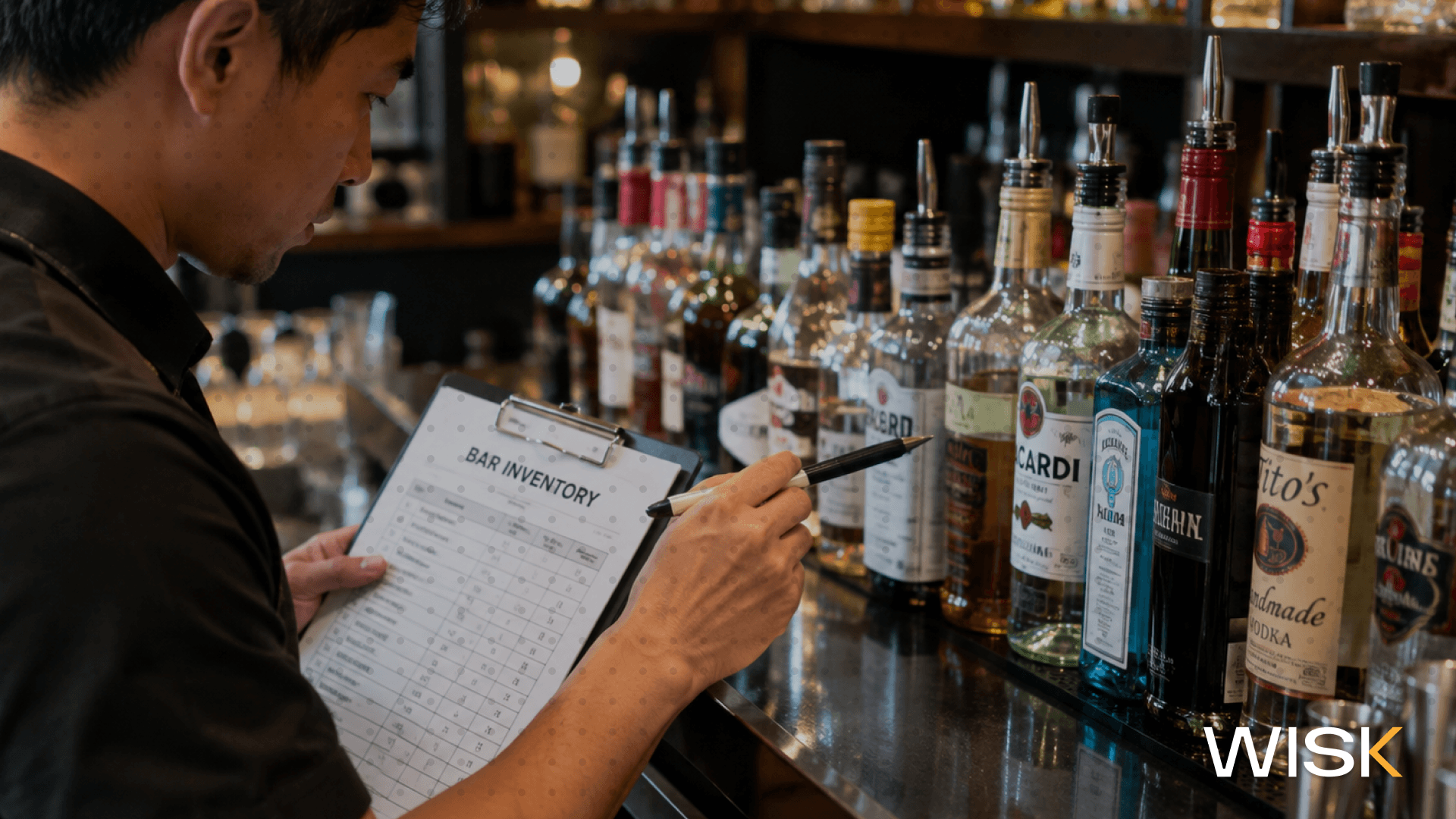
Vous suivez déjà avec précision vos alcools haut de gamme et vos ingrédients alimentaires de qualité supérieure, mais trop d'opérateurs considèrent les OS&E (Operating Supplies and Equipment) coûteux comme une réflexion après coup, même si la même discipline utilisée pour résoudre les problèmes de gestion des stocks de bar devrait être appliquée aux huiles parfumées et aux diffuseurs. Vos huiles parfumées, bâtonnets de diffuseur et bougies de vente au détail nécessitent le même suivi rigoureux que votre inventaire F&B, que vous utilisiez une plateforme comme WISK ou même que vous commenciez avec un outil structuré tel qu'une feuille de calcul gratuite pour l'inventaire de bar pour développer de meilleures habitudes de comptage. Compter ces articles manuellement une fois par mois vous expose à d'énormes pertes financières, surtout si vous négligez la discipline des habitudes de contrôle des stocks de bar qui permettent de maîtriser les autres catégories à forte valeur.
Quelles sont les meilleures pratiques pour déployer un programme de parfum personnalisé dans plusieurs établissements hôteliers ?
Le déploiement d'un programme de parfum dans plusieurs établissements nécessite d'établir des niveaux de stock minimums stricts à l'échelle de l'entreprise, d'utiliser une base de données d'achats centralisée pour bénéficier de remises sur volume, et de standardiser les calendriers de maintenance des systèmes CVC afin de garantir une expérience de marque 100 % cohérente à l'échelle mondiale.
Si vous êtes directeur régional ou cadre d'une chaîne hôtelière, votre pire cauchemar est l'incohérence, c'est pourquoi de nombreux dirigeants s'inspirent des cadres de outils essentiels dont tout gérant de restaurant a besoin pour standardiser la technologie et les processus dans tous les établissements. Un client voyageant de votre établissement de Chicago à celui de Miami s'attend à la même expérience sensorielle. Assurer ce niveau de perfection opérationnelle à travers différentes équipes de gestion et fuseaux horaires exige une systématisation rigoureuse.
- Centralisez vos achats : Ne laissez pas les directeurs généraux individuels s'approvisionner en alternatives locales. Votre parfum signature est un actif propriétaire. En canalisant tous les achats via une plateforme numérique unique, vous sécurisez la chaîne d'approvisionnement et maintenez un contrôle total sur les standards de la marque, de la même manière que les logiciels de gestion de recettes et de coût alimentaire centralisent les spécifications F&B (restauration) à travers un portefeuille.
- Réapprovisionnement basé sur les données : Différents climats et systèmes CVC consomment l'huile parfumée à des rythmes différents. Un climat sec et chaud pourrait nécessiter des cycles de réapprovisionnement plus rapides qu'un climat humide. Utilisez les données de consommation pour personnaliser les niveaux de stock minimums automatisés pour chaque établissement spécifique plutôt que de vous fier à un calendrier d'entreprise général.
- Responsabilité du personnel : En suivant l'utilisation des stocks au millilitre près, vous pouvez rapidement identifier quels établissements respectent les Procédures Opérationnelles Standard (POS). Comme l'ont souligné les dirigeants discutant du pouvoir du marketing de marque, la responsabilité garantit que votre investissement se traduit par l'expérience client que vous aviez imaginée.
Comment WISK.ai aide-t-il les hôtels à gérer les stocks de parfums d'ambiance personnalisés et quelle est la prochaine étape ?
WISK.ai offre aux exploitants hôteliers multi-établissements une plateforme d'inventaire centralisée et en temps réel qui réduit le temps de suivi de 80 %, surveille l'utilisation exacte des huiles parfumées coûteuses et automatise le réapprovisionnement auprès des fournisseurs afin que votre établissement ne subisse jamais de rupture de stock de parfums.
Votre travail est de créer des expériences inoubliables qui incitent les clients à revenir, pas de vous enliser dans un local de stockage en sous-sol à essayer de comprendre où sont passés trois litres d'huile essentielle de thé blanc et de thym.
Bien que WISK.ai soit réputé pour avoir révolutionné la gestion des aliments et des boissons, son architecture d'inventaire puissante est activement utilisée par les opérateurs hôteliers de premier plan pour suivre leurs fournitures opérationnelles les plus coûteuses et les plus volatiles. Qu'il s'agisse de vos bougies de marque pour la vente au détail, de vos bidons d'huile de diffuseur CVC, ou des nébuliseurs autonomes eux-mêmes, WISK regroupe tout cela dans une seule application intuitive. Vous obtenez une visibilité instantanée sur ce que vous avez, ce que cela coûte et quand exactement vous devez en commander davantage.
Ne laissez plus les stocks de grande valeur passer inaperçus. Il est temps de moderniser vos opérations, de protéger vos marges et de garantir une expérience de luxe ininterrompue à chaque client qui franchit vos portes—puis évaluez les options de tarification et d'abonnement qui correspondent le mieux à l'échelle de votre portefeuille. Réservez une démo avec WISK.ai dès aujourd'hui et découvrez comment notre système d'inventaire automatisé peut rationaliser l'ensemble des opérations de votre établissement.