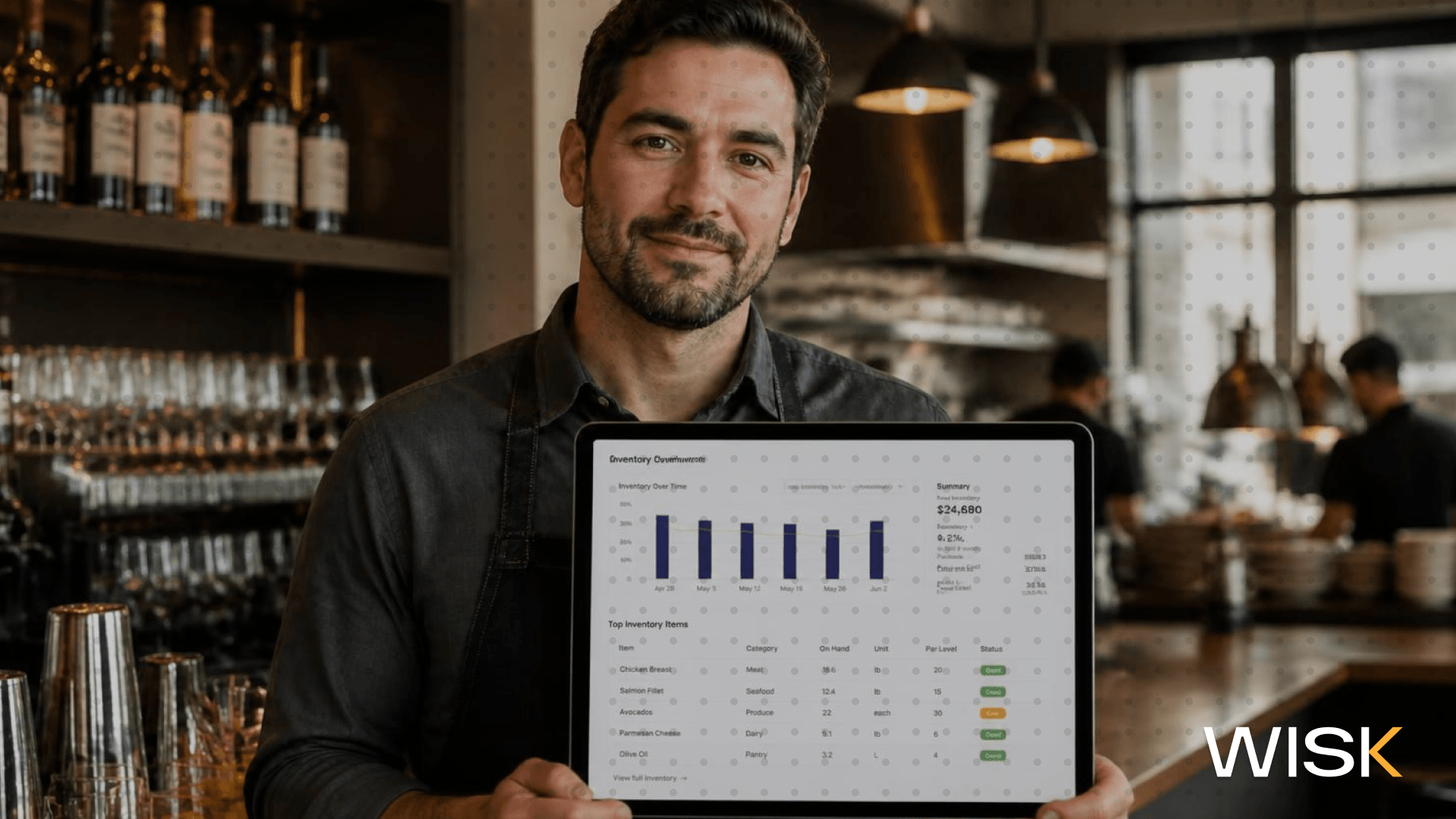
L'essentiel : Les hôtels intelligents passent leurs commandes de vin pour les fêtes en août, car l'allocation, les prix et les délais de livraison sont bien plus avantageux pour l'acheteur des mois avant le pic de la demande. En novembre, les grands crus sont épuisés, les prix grimpent et les frais de transport express grignotent discrètement vos marges. Commander tôt permet de garantir à la fois l'approvisionnement et les coûts, tandis que le système de prévision des ventes et de gestion des stocks de WISK transforme la consommation réelle de la saison précédente en un bon de commande précis en quelques minutes, sans aucune approximation.
Pourquoi août est-il le mois le plus judicieux pour sécuriser votre vin pour les fêtes ?
Commander en août permet de garantir l'allocation avant qu'elle ne disparaisse et de bloquer les prix avant les hausses du quatrième trimestre, une variation qui peut atteindre 10 à 15 % par bouteille sur les étiquettes allouées et importées une fois que la demande atteint son paroxysme.
Voici ce que la plupart des acheteurs oublient : le vin que vous voulez en décembre fait l'objet d'une âpre concurrence bien avant cette date. Le champagne, les vins effillervescents haut de gamme et les grands rouges connaissent leur pic de demande saisonnière en novembre et décembre, et l'allocation est la première chose à disparaître. Lorsque vous appelez votre représentant après Halloween, les bouteilles qui font la renommée de votre carte sont déjà réservées par ceux qui ont commandé à la fin de l'été.
- Les prix jouent contre vous si vous attendez. Les droits de douane américains de 15 % introduits en 2025 ont fait passer de nombreux champagnes non millésimés d'environ 45 $ à 60 $ — les acheteurs tardifs absorbent ces augmentations, contrairement à ceux qui ont bloqué leurs prix en août.
- L'approvisionnement se tend exactement au moment où vous en avez besoin. Les observateurs du secteur signalent systématiquement le champagne, la tequila et le cognac comme les catégories les plus susceptibles de manquer à l'approche des fêtes.
- Le transport est plus serein en août. Le même carton qui est expédié selon un calendrier normal en été nécessite un transport express en décembre, lorsque les réseaux de transporteurs sont saturés.
Pour Directeurs F&B d'hôtels et acheteurs de vin, les commandes d'août font toute la différence entre servir la carte que vous avez conçue et devoir vous rabattre sur ce qu'il reste en stock. Tout commence par l'élaboration d'une carte des vins bien pensée qui correspond à la demande des fêtes. Les hôtels ressentent cette pression plus fortement que les restaurants indépendants, car votre mois de décembre est verrouillé contractuellement à l'avance : banquets, mariages, fêtes d'entreprise et galas du Nouvel An sont réservés des mois à l'avance, chacun avec un forfait boissons que vous avez déjà promis. Vous ne pouvez pas dire à des mariés en décembre que leur vin pétillant est « en rupture de stock ». Acheter en août, c'est tenir la promesse que vous avez vendue en été.

Combien un hôtel perd-il réellement en attendant novembre ?
Un établissement qui achète pour 80 000 $ de vin pour les fêtes en novembre plutôt qu'en août peut payer entre 8 000 $ et 12 000 $ de trop en cumulant les hausses de prix, les frais de livraison express et les substitutions forcées, et ce, avant même d'avoir débouché la première bouteille.
Aucun de ces coûts n'apparaît sur une ligne budgétaire unique, ce qui explique précisément pourquoi ils passent inaperçus. Ils se cachent à quatre niveaux :
- Majoration de prix sur les références allouées et saisonnières dont le tarif a déjà augmenté pour la période.
- Frais d'expédition express pour respecter les délais des banquets et du Nouvel An, que les commandes d'août ne nécessitent jamais.
- Coût de substitution : lorsque votre premier choix n'est plus disponible, vous devez soit monter en gamme vers une bouteille plus chère, soit perdre la vente.
- Écarts gonflés dus aux réapprovisionnements de panique et à la réception désordonnée en décembre. La norme du secteur en matière d'écarts se situe entre 1 et 2 %, pourtant de nombreux bars et restaurants atteignent 5 à 25 %. Un cycle d'achat chaotique pour les fêtes vous pousse rapidement vers le mauvais côté de cette fourchette, surtout si les problèmes de gestion des stocks de bar restent sans solution.
Faites vos propres calculs ci-dessous : ajustez le nombre de bouteilles, le prix et la prime pour correspondre à votre programme et découvrez ce que vous coûte réellement l'attente jusqu'en novembre.
Comment savoir exactement quelle quantité de vin commander en août pour les fêtes ?
La prévision des ventes de WISK analyse votre système de caisse et votre consommation de l'année précédente pour projeter la demande des fêtes SKU par SKU. Votre commande d'août se base ainsi sur les données réelles de consommation du mois de décembre dernier, et non sur les souvenirs d'un responsable.
La prévision est ce qui effraie les gens lorsqu'il s'agit de commander tôt : « Comment m'engager en août alors que je ne sais pas ce que je vendrai en décembre ? » Vous le savez déjà : les données se trouvent dans les chiffres de l'année dernière. WISK établit le lien pour vous :
- Il s'intègre à plus de 60 systèmes de caisse et synchronise les ventes en temps réel, afin que les prévisions reflètent ce que vos clients consomment réellement.
- Il s'appuie sur une base de données préchargée de plus de deux millions d'articles, permettant ainsi de calculer le coût et de suivre chaque bouteille dès le premier jour.
- Il définit des niveaux de stock et génère des recommandations de commande automatisées, créant le bon de commande et l'envoyant directement à vos fournisseurs.
Les prévisions deviennent également plus intelligentes chaque année. Chaque saison passée sur WISK ajoute une couche supplémentaire de données de consommation réelles, permettant à votre commande d'août de passer d'une estimation éclairée à une prévision précise : les suppositions diminuent et la confiance augmente à mesure que votre logiciel de gestion des stocks pour bars et restaurants devient central dans votre processus d'achat.
Pour Acheteurs de vin, Sommeliers, et Responsables d'exploitation de complexes hôteliers qui jonglent entre plusieurs points de vente, contrats de banquet et événements du Nouvel An, prévoir la demande par point de vente est ce qui évite à la fois l'étagère vide le 23 décembre et le surplus de janvier que personne ne veut avoir à justifier. Un complexe hôtelier doté d'un bar dans le hall, d'une salle de restauration gastronomique, d'un bar de piscine et d'un service de banquet ne passe pas une seule commande pour les fêtes, mais quatre, chacune avec son propre profil de consommation. Un simple tableur occulte cette nuance dès que l'activité s'intensifie, même si vous utilisez un tableur d'inventaire de bar de base pour suivre la cadence.
Qu'advient-il du vin des fêtes que vous avez commandé en trop en janvier ?
Si vous commandez trop, votre trésorerie reste immobilisée en cave durant un premier trimestre calme ; les rapports d'écarts et les fonctionnalités de gestion des coûts de WISK signalent les surplus, les pertes et les produits à rotation lente afin que vous transformiez vos stocks dormants en marge.
Les commandes d'août ne sont pas une excuse pour acheter en excès, mais une raison d'acheter avec précision, en suivant les meilleures pratiques de gestion des stocks et des commandes afin que chaque caisse que vous recevez ait une destination claire auprès du client. Le même système qui vous aide à commander tôt vous permet de rester rigoureux par la suite :
- Les rapports d'écarts comparent la consommation réelle aux données de vente pour mettre en évidence les surdosages, les vols et les pertes — ces fuites qui transforment un bon achat en un mauvais trimestre.
- La documentation automatisée signifie que les factures scannées par IA et les bons de commande enregistrés créent une piste d'audit claire et prête à l'emploi — un avantage direct pour Responsables des achats et Directeurs des achats en hôtellerie qui doivent justifier chaque centime.
- L'intégration de listes de contrôle standardise la réception et le comptage, évitant ainsi toute erreur de saisie au quai de chargement durant les semaines les plus chargées de l'année. L'associer à une balance d'inventaire pour alcools rend chaque inventaire plus rapide et plus précis.
Commandes manuelles pour les fêtes vs la méthode WISK : quelle est la vraie différence ?
Les commandes manuelles du quatrième trimestre reposent sur des feuilles de calcul et la mémoire ; WISK les remplace par des achats basés sur des prévisions, documentés et vérifiés, réduisant un inventaire hebdomadaire qui prenait 1 à 2 heures à environ 20 minutes.
L'écart est flagrant quand on compare les deux approches. L'une réagit aux fêtes ; l'autre les anticipe, en s'appuyant sur des outils essentiels dont tout gérant de restaurant a besoin tout au long de l'année.
Comment WISK simplifie-t-il vos commandes de vin pour le mois d'août ?
WISK offre aux directeurs F&B, acheteurs de vin, responsables des achatset directeurs des opérations hôtelières un système unique de gestion des stocks qui prévoit la demande pour les fêtes, génère vos commandes d'août, enregistre automatiquement chaque facture et suit les écarts tout au long de la saison. Vous achetez ainsi plus tôt, plus intelligemment, et préservez vos marges au lieu de courir après en décembre, avec des tarifs avantageux pour les abonnements annuels lorsque vous vous engagez dans la durée. Cessez de subir les fêtes et commencez à les anticiper : découvrez les économies que vous pourriez réaliser sur votre prochaine commande de fêtes avec WISK.