L'essentiel : Les variantes de Budweiser dominent le scan de codes-barres avec 3 133 articles actifs, suivies par Corona avec 2 361 et Heineken avec 1 952. La base de données de WISK suit plus de 16 000 articles de bière rien que pour ces 10 premières marques, offrant aux établissements une visibilité en temps réel sur leurs stocks à rotation rapide.
Que révèlent réellement les données de scan de bière du milieu d'année 2026 ?
Les trois premières marques de bière — Bud (toutes variantes confondues), Corona et Heineken — totalisent 7 446 articles suivis par code-barres, représentant 45 % de l'ensemble des stocks de bière scannés sur WISK, le réseau dédié à l'hôtellerie-restauration.
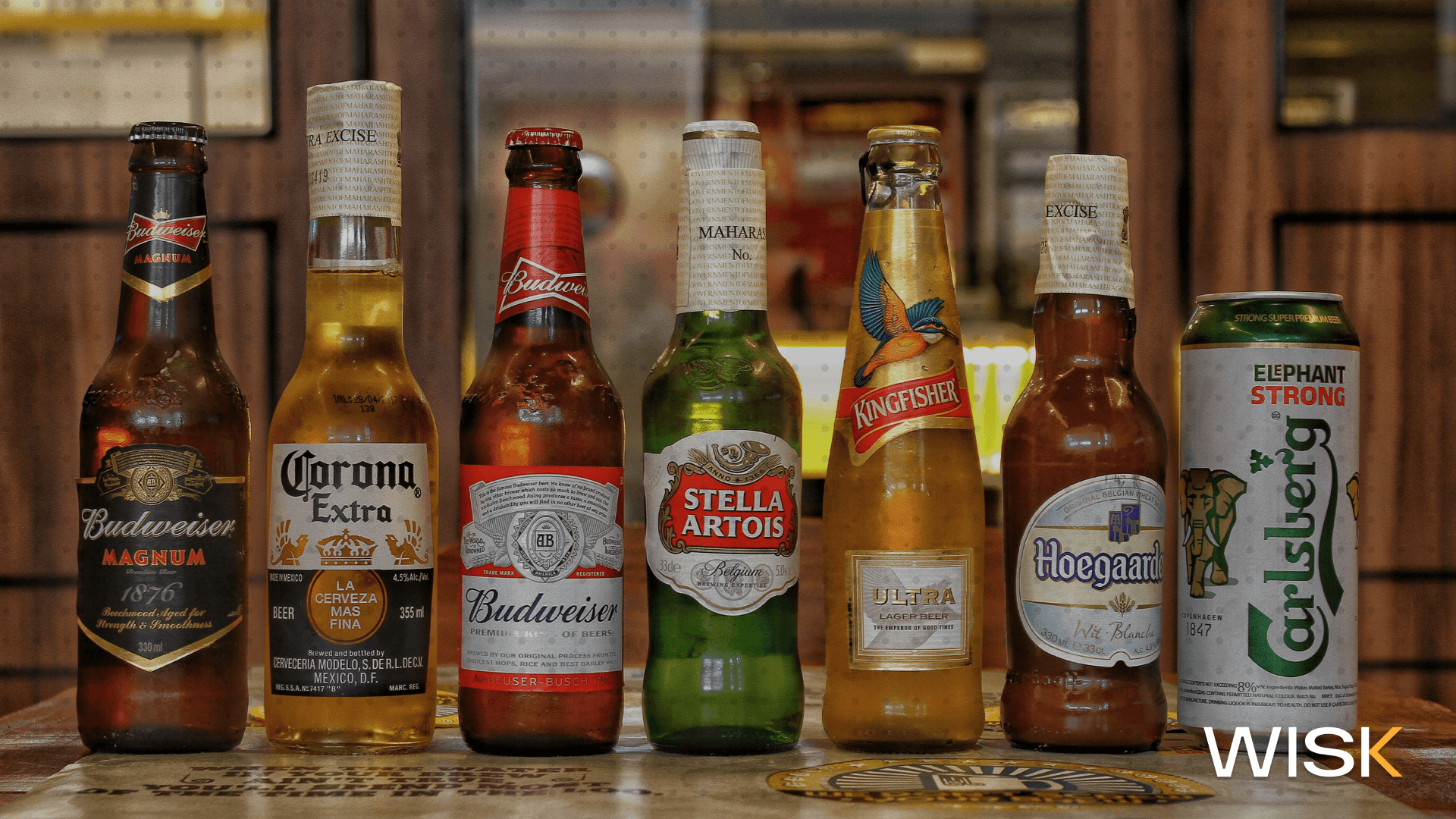
Ces chiffres illustrent clairement ce qui se vend réellement dans les bars et restaurants. Les variantes combinées de Budweiser (3 133 articles) devancent largement tous leurs concurrents, mais la répartition du marché est tout aussi révélatrice. Les positions 4 à 10 comptent chacune entre 1 098 et 1 668 articles, ce qui montre qu'aucune marque ne domine totalement le secteur.
- Domination nationale: Les marques américaines (Bud, Bud Light, Coors, Miller, Michelob, Budweiser) occupent 6 des 10 premières places
- Force des importations: Les bières mexicaines et européennes (Corona, Heineken, Modelo, Stella Artois) conservent une forte présence malgré des prix plus élevés
- Concentration des volumes: Les 5 premières marques représentent 10 696 articles, soit environ 65 % des stocks suivis
Pourquoi certaines marques de bière sont-elles scannées plus souvent que d'autres ?
Les bars et restaurants scannent les variantes de Budweiser 2,85 fois plus souvent que la Stella Artois, car les bières blondes nationales offrent une rotation plus rapide, un attrait plus large auprès de la clientèle et une disponibilité plus constante chez les distributeurs.
La fréquence de scan est directement corrélée au volume des ventes. Lorsqu'un barman scanne un code-barres lors de l'inventaire, il enregistre une transaction qui a déjà eu lieu ou qui est sur le point de se produire. Les marques les plus scannées se situent à l'intersection de trois facteurs : l'accessibilité tarifaire, la notoriété de la marque et la fiabilité opérationnelle.
- Accessibilité tarifaire: Les caisses de bières nationales coûtent généralement 15 à 30 % moins cher que les importations, ce qui permet aux établissements d'atteindre leurs objectifs de marge sans aliéner les clients soucieux de leur budget.
- Notoriété de la marque: Corona et Heineken bénéficient de décennies de marketing qui en font des choix « sûrs » pour des clientèles variées.
- Fiabilité opérationnelle: Les marques les plus scannées entretiennent généralement de meilleures relations avec les distributeurs, ce qui signifie moins de ruptures de stock et moins de substitutions d'urgence.
Visualisation de données interactive : Répartition des scans de bière au premier semestre 2026

Comment le scan de codes-barres transforme-t-il la gestion des stocks de bière ?
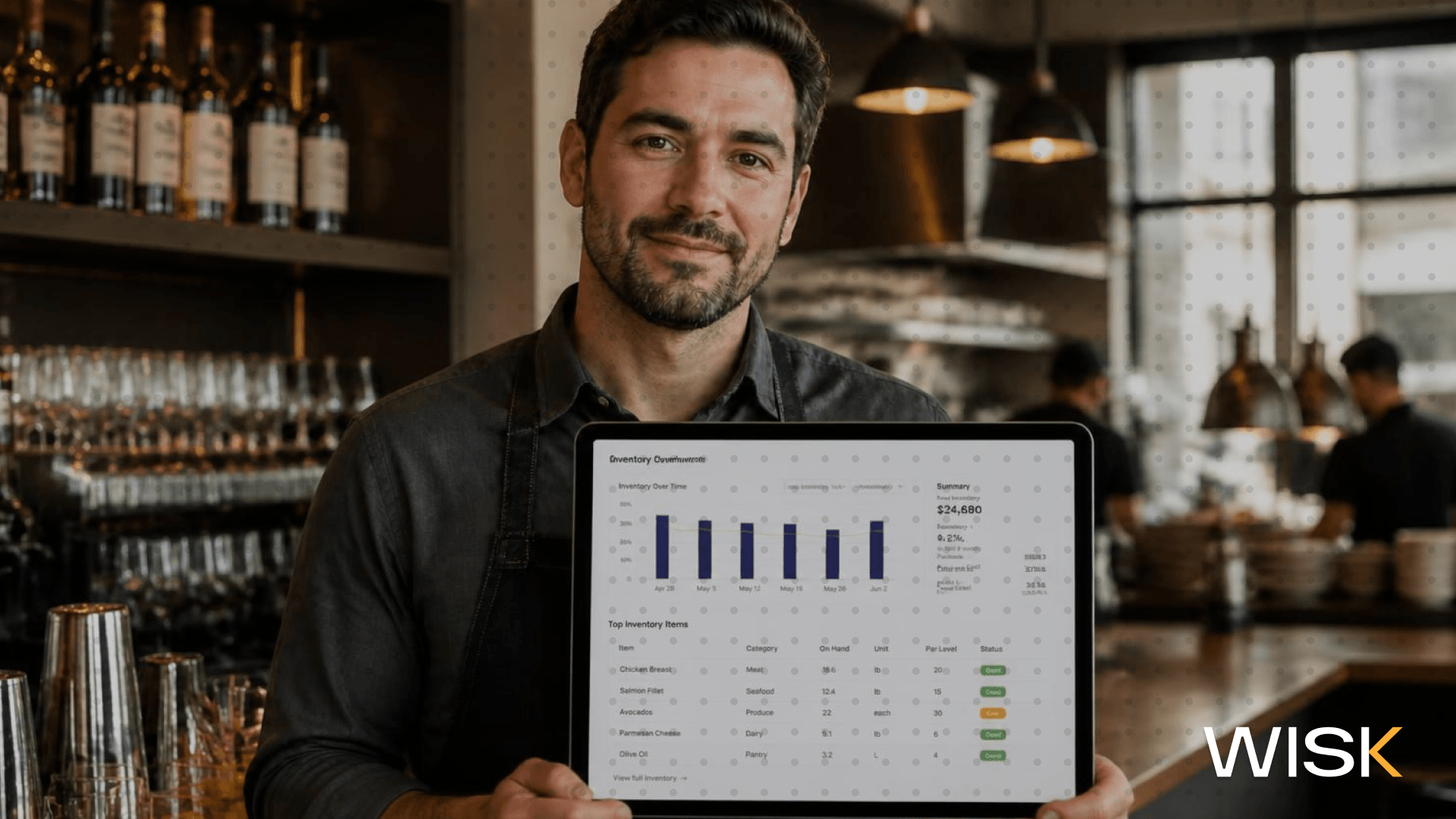
L'inventaire manuel de la bière prend 4 à 6 heures par semaine pour un bar standard, tandis que le scan de codes-barres réduit ce temps à 45-60 minutes — soit une réduction de 80 % — avec une précision passant de 75 % à 98 %.
Le passage du comptage sur presse-papiers au scan numérique ne se résume pas à une question de rapidité, et des outils comme un modèle de feuille de calcul structuré pour l'inventaire de bar peut aider les établissements à passer de processus manuels à des processus automatisés. Lorsque votre personnel scanne un code-barres, il crée un point de données horodaté qui alimente les taux d'utilisation, les rapports d'écarts et les algorithmes de réapprovisionnement. C'est essentiel, car la bière représente 20 à 25 % du chiffre d'affaires de la plupart des établissements de restauration décontractée, tout en étant historiquement la catégorie affichant les taux de perte les plus élevés.
- Visibilité en temps réel: Sachez exactement ce qui a été consommé hier soir, et non ce que la feuille de calcul indique théoriquement
- Détection des écarts: Identifiez les 3 % de stock qui disparaissent entre la livraison et la vente
- Responsabilisation du personnel: Les journaux de scan créent des pistes d'audit qui réduisent les pertes « mystérieuses »
Quelle est la différence entre le comptage manuel et le scan de codes-barres WISK ?
Le système de scan de codes-barres de WISK traite l'inventaire 5 fois plus rapidement qu'un comptage manuel, tout en maintenant une précision de 98 %, contre 75 % pour les méthodes traditionnelles sur papier.
Vous trouverez ci-dessous un tableau comparatif montrant comment l'approche traditionnelle se compare au système automatisé de WISK, et comment des compléments tels qu' une balance d'inventaire d'alcool intégrée à votre application de bar peuvent encore améliorer la vitesse et la précision :
Le tableau ci-dessus illustre pourquoi les établissements utilisant WISK signalent une réduction de 15 à 20 % de leurs coûts de boissons dès le premier trimestre. Lorsque vous pouvez voir exactement quelles marques se vendent — et à quelle vitesse — vous évitez de commander trop de produits à faible rotation et de manquer de vos meilleures ventes.
Quelles catégories de bières connaissent la plus forte croissance en 2026 ?
Les importations mexicaines (Corona, Modelo) totalisent 3 521 articles scannés, témoignant d'une demande soutenue qui surpasse plusieurs marques nationales historiques malgré un positionnement premium.
L'analyse des données par catégorie révèle une évolution des préférences des consommateurs. Les bières mexicaines représentent désormais 21 % des 10 articles les plus scannés, contre 18 % en 2024, et les exploitants utilisant un logiciel de gestion des stocks pour bars et restaurants peuvent rapidement constater ces changements dans leur propre mix de ventes. Il ne s'agit pas seulement de goût, mais de positionnement. Ces marques ont réussi à s'imposer comme des options « premium décontractées », justifiant des prix plus élevés sans pour autant s'aliéner la clientèle grand public.
- L'ascension de Modelo: Avec 1 160 articles, Modelo a comblé l'écart avec les marques nationales historiques
- La constance de Stella: Bien qu'elle soit la plus petite marque du top 10, Stella Artois maintient sa position grâce à des partenariats solides sur le lieu de vente
- La diversification de Michelob: Avec 1 465 articles, le portefeuille axé sur l'Ultra de Michelob prouve que le positionnement santé est efficace
Comment les établissements peuvent-ils utiliser ces données pour optimiser leur offre de bières ?
Les établissements utilisant les analyses de marque de WISK réduisent leurs stocks dormants de 30 % et augmentent la rotation de leurs stocks de 22 % en alignant leurs achats sur les habitudes de consommation réelles vérifiées par scan.
C'est ici que les données deviennent exploitables. Si vous gérez un bar ou un restaurant, vous savez désormais exactement quelles marques vos pairs suivent de près, et comparer les meilleures applications de gestion d'inventaire pour bars disponibles en 2024 vous aide à décider comment opérationnaliser ces informations. Il ne s'agit pas de copier, mais de comparer. Si Corona affiche 2 361 articles suivis sur l'ensemble du réseau et que vous ne proposez que deux références, vous passez peut-être à côté d'un gain potentiel. À l'inverse, si vous stockez 15 bières artisanales qui ne sont jamais scannées, c'est du capital qui dort.
- Optimisation des niveaux de stock: Utilisez la vitesse de scan pour définir des points de commande dynamiques plutôt que des commandes hebdomadaires statiques, en vous appuyant sur un processus structuré de contrôle des stocks de bar qui maintient des niveaux de stock optimisés
- Ingénierie de menu: Mettez en avant les marques à forte rotation dans des emplacements à forte marge (bouteilles vs pressions, verres premium)
- Levier de négociation: Présentez-vous aux réunions avec les distributeurs avec des données d'utilisation qui prouvent votre volume
Que nous disent les données de mi-année 2026 sur les préférences des consommateurs ?
La domination des bières légères — Bud Light, Coors, Miller et Michelob totalisant 6 286 articles — confirme que l'accessibilité et la facilité de consommation restent les principaux moteurs des ventes de bière sur place.
Malgré l'essor de la bière artisanale au cours de la dernière décennie, les données montrent que les consommateurs américains grand public privilégient toujours des options familières et faciles à boire lorsqu'ils sortent. Cela ne signifie pas que l'artisanat a échoué, mais que le positionnement est crucial. Un bar avec 20 becs de pression a besoin de 5 à 6 valeurs sûres pour payer le loyer, le temps que les produits expérimentaux trouvent leur public.
- La facilité de consommation l'emporte: Les options à faible teneur en alcool dominent car elles permettent des séjours plus longs et plusieurs tournées
- Confiance envers la marque: Les clients commandent une Corona ou une Heineken lorsqu'ils veulent « quelque chose de bien » sans avoir à étudier une carte
- Variations régionalesBien qu'il s'agisse de données nationales, WISK.ai permet aux utilisateurs d'affiner leur recherche pour observer les divergences dans les préférences locales
Comment WISK aide-t-il les bars et les restaurants à mieux gérer leur inventaire de bières ?
La plateforme de scan de codes-barres et d'analyse de WISK réduit le temps d'inventaire de 80 %, améliore la précision à 98 % et offre une visibilité en temps réel sur les marques — comme les 10 premières listées ici — qui génèrent réellement du chiffre d'affaires.
Vous n'avez pas lu jusqu'ici pour apprendre que Budweiser vend beaucoup de bière. Vous l'avez fait parce que vous cherchez à optimiser votre gestion. WISK élimine les approximations dans la gestion des boissons en reliant chaque scan à des informations exploitables. Que vous suiviez 50 ou 500 références, le système s'adapte à votre croissance.
- Mise en place instantanée: Importez votre liste de produits existante et commencez à scanner en moins de 24 heures grâce à un logiciel spécialisé de gestion d'inventaire de bar conçu pour les établissements à fort volume
- Priorité au mobile: Votre personnel utilise des appareils qu'il connaît déjà : smartphones et tablettes
- Prêt pour l'intégration: Se connecte à Square, Toast, Clover et plus de 50 systèmes de point de vente, en complément des autres outils essentiels dont tout gérant de restaurant a besoin pour diriger un établissement moderne
Prêt à découvrir votre véritable top 10 ? Lancez votre démo WISK dès aujourd'hui et profitez dès cette semaine du même système de suivi par code-barres utilisé pour générer ces données dans votre établissement.